beach strawberry Care (Fragaria chiloensis)

Also known as: Coastal strawberry
beach strawberry

About beach strawberry

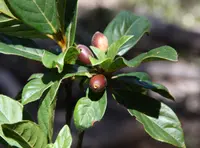
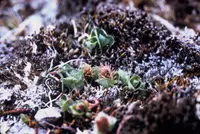
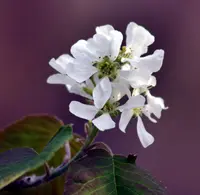
Beach strawberry, Fragaria chiloensis, is a low-growing perennial ground cover in the rose family. It forms dense mats of glossy green leaves and white spring flowers that mature into small red fruits.

This species is native to coastal areas of the Americas, often growing in sandy dunes and cliffs exposed to wind and salt spray. Its tough, creeping habit and shallow roots make it useful for stabilizing slopes and covering poor soils.

Beach strawberry is generally easy to grow, as it tolerates wind, light foot traffic, and a range of soils, provided drainage is good. Understanding how to care for beach strawberry starts with giving it sun to light shade and steady, moderate moisture.

Main Plant Requirements

Care Difficulty

Easy Care

Light Preference

Full Sun

Water Requirements

Regular Water

Temperature Preference

Cold Hardy

Hardiness Zone

5–9

Soil Texture

Sandy, Loamy, Organic-rich

Soil pH

Acidic (5.5–6.5), Slightly acidic (6.5–7.0)

Soil Drainage

Moist but well-drained

Fertilization

Light (every 4–6 weeks)

Get Personalized Care Plan

Scan your plant to receive care tips personalized for your specific plant

Available on iOS and Android

How to Care for the beach strawberry

Fragaria chiloensis needs bright outdoor light to flower and fruit well.

  • Provide 6–8 hours of direct sun daily, with morning sun and light afternoon shade ideal, especially in hotter inland areas.
  • Tolerates partial shade (around 3–4 hours sun) but flowering and fruiting decline if light drops below this level for long periods.
  • In summer, protect from intense late-afternoon sun to prevent leaf scorch; in winter, choose a position with maximum sun exposure for stronger growth.

This coastal strawberry prefers consistently moist but not waterlogged soil.

  • Water when the top 2–3 cm of soil feels dry, then soak the root zone thoroughly so water reaches 10–15 cm deep.
  • Use well-drained, sandy or loamy soil; standing water or heavy clay increases root rot risk and causes yellowing, limp leaves in Fragaria chiloensis.
  • In hot, dry weather, expect more frequent watering and watch for wilting or dry, crisp leaf edges, while pale, soft foliage suggests overwatering.

This species is adapted to mild coastal climates with cool summers and moderate winters.

  • Best vegetative and flowering growth occurs around 55–70°F (13–21°C), with stable, cool conditions supporting dense groundcover formation.
  • Plants tolerate down to about 15–20°F (-9 to -6°C) once established, though foliage may burn; a mulch layer helps protect crowns in colder snaps.
  • Handles brief heat up to 80–85°F (27–29°C) if soil moisture is maintained, but prolonged higher temperatures can reduce flowering and stress plants.

This coastal species handles a wide humidity range but prefers moderate ambient moisture.

  • Aim for 40–60% humidity; typical outdoor conditions in temperate regions are usually sufficient for beach strawberry.
  • It tolerates relatively dry air, but prolonged hot, dry winds can cause leaf tip browning and quicker soil moisture loss.
  • Increase humidity around plants during dry spells by mulching, grouping containers together, or placing trays of water and stones nearby.

This plant prefers loose, fast-draining soil that still holds some moisture.

  • Use a sandy or sandy-loam structure with 30–50% coarse sand plus organic matter such as compost or leaf mold to balance drainage and water retention.
  • Ensure very sharp drainage; avoid heavy clay or compacted areas that stay wet, which promotes root rot and crown rot.
  • Target a slightly acidic to neutral pH of 5.8–7.0 for Fragaria chiloensis to support nutrient uptake and healthy growth.
  • Improve aeration and structure in native soil by incorporating fine bark or perlite along with compost, breaking up any dense layers before planting.

This species is suitable for container growing when the pot setup supports its shallow, spreading root system.

  • Choose a wide, shallow container so runners can root along the surface while roots remain close to the top layer.
  • Use a heavier material such as ceramic or clay outdoors to keep low, spreading growth stable in wind.
  • Elevate the pot slightly on feet or bricks to prevent drainage holes from clogging and to keep the lower substrate from staying saturated.

Fragaria chiloensis is modest in nutrient needs but responds well to light feeding on poor soils.

  • Use a balanced slow-release fertilizer (around 10-10-10) or a thin layer of finished compost in spring.
  • Feed once at early growth, then again mid-season if foliage pales or fruiting weakens.
  • Apply at half the label strength for container plants to avoid salt buildup and root burn.
  • Suspend feeding in late fall and winter when growth slows or plants are semi-dormant.

Pruning for Fragaria chiloensis focuses on hygiene and directing energy rather than shaping.

  • In late winter or very early spring, remove dead, diseased, or damaged leaves and crowns with clean hand pruners.
  • During the growing season, trim off yellowing foliage and spent flower stalks to maintain air flow and reduce disease.
  • Thin out crowded runners, keeping the strongest plants 20–30 cm apart to form a dense but manageable mat.
  • Disinfect blades between plants when disease is present to limit spread of fungal or bacterial problems.

This species is most often grown as a groundcover, so care focuses on transplanting and thinning rather than frequent repotting.

  • Transplant in early spring or early fall when temperatures are mild and soil is evenly moist.
  • Move plants when clumps become crowded, growth slows, or runners creep beyond the desired area.
  • Lift gently with a trowel, keeping a solid root ball; replant at the same soil level in well-drained soil.
  • Water thoroughly after planting, shade for a few days if conditions are hot, and keep soil consistently moist until reestablished.

Fragaria chiloensis is commonly propagated from runners, with seeds and division as secondary methods.

  • In late spring to summer, peg runners so their small plantlets root into loose, moist soil or trays.
  • Once plantlets develop several leaves and a firm root system, cut the runner connection and transplant carefully.
  • For division, split vigorous clumps in early spring or early fall, keeping at least one healthy crown and roots per piece.
  • Seed sowing requires fresh seed, a well-draining mix, light exposure, and cool stratification if germination is slow.

This coastal strawberry is quite cold hardy and often needs only minimal winter attention in most temperate gardens.

  • Tolerates light to moderate frosts; foliage may scorch but crowns usually survive.
  • In cold regions, apply a 3–5 cm layer of straw or leaf mulch over the root zone after the ground cools.
  • Container plants benefit from moving to a sheltered, unheated area where soil does not freeze solid for long periods.
  • Reduce watering in winter, keeping soil just barely moist to prevent crown rot while plants are semi-dormant.

Care Tips

Use Low Tunnels

In colder or windy coastal areas, install low hoop tunnels or a simple row cover in late winter to protect early flowers from frost and salt-laden winds, then vent or remove the cover once consistent new growth appears.


Staggered Renovation

Instead of cutting back the entire bed at once, renovate only 1/3–1/2 of the plants each year by mowing or shearing after fruiting, which maintains continuous groundcover while still rejuvenating older, less productive crowns.

Runner Management

Pin selected runners into bare patches with biodegradable landscape pins to create an even carpet, and remove excess runners around productive mother plants so energy goes into fruit rather than uncontrolled spread.

Mulch With Grit

Top-dress with a thin layer of coarse sand or small grit over the soil surface in wet climates to improve drainage around crowns and fruits, which helps reduce rot and slug damage when growing beach strawberry in ground-level plantings.

Salt Spray Rinse

In exposed coastal sites, lightly hose foliage with fresh water every few weeks during dry spells to rinse off accumulated salt spray, doing this in the morning so leaves dry quickly and are less prone to fungal issues.

Common Pests and Diseases

Two-spotted spider mites

This pest feeds on the undersides of leaves, causing pale stippling, bronzing, and eventual leaf drying, especially in hot, dry conditions. Fine webbing may appear between leaves and along runners.

Solution

Rinse foliage thoroughly with a strong but gentle stream of water, focusing on the leaf undersides, and repeat several times over 7–10 days. In outdoor Fragaria chiloensis care, encourage predators such as lady beetles and predatory mites, and if populations stay high, use a horticultural oil or insecticidal soap labeled for mites, applied in the cool part of the day.

Black root rot complex

This disease causes stunted plants, reduced runner production, and blackened, brittle roots, often in poorly drained or repeatedly cropped sites. Symptoms include weak growth and poor recovery after stress such as drought or heavy fruiting.

Solution

Remove and discard severely affected plants, then improve drainage and avoid overwatering, especially on heavy soils. Rotate plantings away from infested ground for several years, add organic matter to improve soil structure, and use only healthy, disease-free stock when replanting.

Leaf spot

This disease produces small purple to reddish spots on leaves that often develop pale or tan centers, which can merge and cause partial leaf death. Symptoms include thinning foliage and reduced vigor under cool, moist conditions.

Solution

Remove and discard heavily spotted or dying leaves to reduce the source of spores, and water at soil level rather than overhead to keep foliage drier. Improve spacing and air movement, and if the problem recurs each season, consider using a strawberry-labeled fungicide preventively at the start of cool, wet weather.

Gray mold (Botrytis)

This disease affects flowers and fruit, causing soft, brown decay covered with gray fuzzy mold, especially in cool, humid weather. In dense groundcovers, infected tissue can spread quickly from one fruit or leaf to another.

Solution

Promptly remove and discard rotting fruit and dead leaves, and keep mulch or soil from contacting fruit directly by using clean straw or similar material. Improve air circulation by thinning very dense patches, avoid overhead watering, and in high-pressure areas consider a labeled fungicide spray at early bloom if losses are severe.

Strawberry aphids

These insects cluster on young leaves and runners, sucking sap and causing leaf curling, distortion, and sticky honeydew that can attract sooty mold. Infestations can also move virus diseases between plants in established beds.

Solution

Dislodge colonies with a firm stream of water and prune off heavily infested shoot tips. Encourage beneficial insects, avoid heavy nitrogen fertilization that promotes very soft new growth, and if needed apply insecticidal soap or a light horticultural oil, coating the undersides of leaves thoroughly.

Interesting Facts

Ancient strawberry ancestor

Genetic studies show that beach strawberry is one of the two wild species that hybridized to create the modern large-fruited garden strawberry, Fragaria × ananassa, in Europe in the 1700s.

Salt and sand tolerant

This species naturally grows on coastal dunes and bluffs along the Pacific, where it tolerates salt spray, shifting sands, and high light that would damage many other garden plants.

Clonal mats with runners

It spreads vigorously by stolons, which are above-ground horizontal stems, forming dense ground-hugging mats that help stabilize sandy soils and reduce erosion in coastal habitats.

Botan icon

Did you know?

In some coastal ecosystems of western North and South America, dense patches of beach strawberry function as a keystone groundcover, creating cooler, moister microhabitats that allow less stress-tolerant plants and invertebrates to establish in otherwise exposed dune environments.

FAQs about beach strawberry

This species spreads steadily by runners but is not usually aggressive in managed gardens. It forms a low, dense mat over time, suppressing many weeds. Regular runner trimming keeps it within boundaries and prevents unwanted spread.

Grow Healthy Plants with Botan Care

Keep your plants happy and healthy with plant identification, disease detection, and easy care guidance.

Botan plant care app — identify plants on mobile

Explore More Plants