strawberry guava Care (Psidium cattleyanum)

Also known as: Purple Guava, Cattley Guava, Cherry purple guava, Yellow Strawberry Guava, Cherry Guava, Purple Strawberry Guava
strawberry guava

About strawberry guava

Strawberry guava, Psidium cattleyanum, is a small evergreen fruit tree or large shrub from subtropical regions of Brazil and nearby areas. It is widely grown in warm climates for its sweet, aromatic berries.

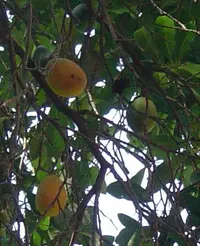
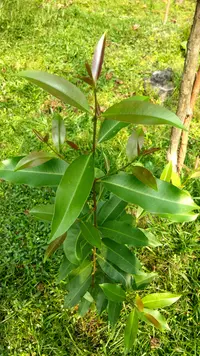
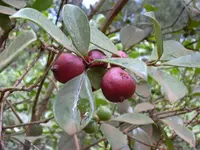
The plant has glossy, dark green leaves, white flowers, and smooth reddish or yellow fruits that resemble small plums. It typically forms a dense, bushy crown with many branches.

Strawberry guava adapts well to gardens, orchards, and large containers, which makes it suitable for both landscape use and small spaces. Its toughness, drought tolerance once established, and generally low pest pressure make it relatively easy to manage.

It prefers sunny positions, moderately moist but well-drained soil, and protection from severe frost, which are key points when learning how to care for strawberry guava.

Main Plant Requirements

Care Difficulty

Moderate Care

Light Preference

Full Sun

Water Requirements

Moderate Water

Temperature Preference

Warm Climate

Hardiness Zone

9–11

Soil Texture

Sandy, Loamy, Organic-rich

Soil pH

Acidic (5.5–6.5), Slightly acidic (6.5–7.0)

Soil Drainage

Moist but well-drained

Fertilization

Minimal (feed rarely)

Get Personalized Care Plan

Scan your plant to receive care tips personalized for your specific plant

Available on iOS and Android

How to Care for the strawberry guava

Psidium cattleyanum grows best with strong light and some protection from harsh afternoon sun.

  • Aim for 6–8 hours of sun daily, with morning sun and light afternoon shade ideal, especially in hotter regions.
  • Plant in a spot that gets full sun in mild climates, but provide filtered or dappled light during intense summer periods to prevent leaf scorch on strawberry guava.
  • In partial shade (around 3–4 hours sun), growth and fruiting may slow, so prune nearby plants or structures if foliage becomes sparse or leggy.

Psidium cattleyanum prefers evenly moist, well-drained soil rather than frequent, shallow watering.

  • Water when the top 3–5 cm of soil feels dry, allowing a deep soak that reaches the root zone instead of light surface watering.
  • Reduce watering in cool seasons, but in hot, dry weather check soil more often, as wilting new leaves and dry, crumbly soil indicate underwatering.
  • Ensure soil drains freely; yellowing leaves, soft stems, or a sour smell in the root zone point to overwatering and poor aeration.

This species prefers warm, frost-free conditions with only brief exposure to cooler temperatures.

  • Optimal growth occurs around 65–85°F (18–29°C), where flowering and fruiting are most consistent.
  • The plant can tolerate short dips to about 30°F (-1°C), but foliage and young stems may be damaged, so protect from frost and cold winds.
  • Heat up to 95°F (35°C) is usually tolerated if soil moisture is adequate, but prolonged extremes above this can stress the plant and reduce fruit quality.

This species prefers moderate humidity but adapts fairly well to typical indoor air.

  • Aim for 40–60% humidity; short dips lower are tolerated but prolonged very dry air can slow growth.
  • Crisping leaf tips, marginal browning, and stalled new growth indicate humidity stress rather than underwatering.
  • Increase humidity with a nearby pebble tray or grouped plants, but avoid misting if foliage stays wet for hours, which encourages fungal issues.

Psidium cattleyanum grows best in freely draining, slightly acidic to neutral soil with moderate organic matter.

  • Use a loose mix such as 40% compost, 40% coarse sand or fine grit, and 20% perlite or bark to balance moisture and aeration.
  • Ensure rapid drainage; water should exit the pot within seconds, not sit around the roots or form a puddled surface layer.
  • Keep pH around 5.5–7.0; avoid liming unless a soil test shows excessive acidity, as high pH reduces micronutrient availability.
  • Do not use heavy clay-based garden soil or peat-only mixes that compact, suffocate roots, and increase the risk of root rot.

This species is well suited to container growing when given a stable, well-drained setup.

  • Choose a deep, wide container to accommodate its fibrous root system and reduce tipping from the shrubby canopy.
  • Select a heavy material such as ceramic or thick-walled plastic to stabilize the plant against wind and top-heavy growth.
  • Elevate the pot slightly on feet or blocks so drainage holes stay clear and excess water leaves the root zone quickly.

This subtropical fruit tree benefits from moderate, targeted feeding rather than heavy fertilization.

  • Use a balanced slow-release fertilizer (around 10-10-10) or well-aged compost at the start of the growing season for strawberry guava.
  • Feed established plants 1–2 times during spring–summer, spacing applications by at least 8 weeks.
  • Apply at half the label rate for container plants to avoid salt buildup and root burn.
  • Reduce or stop fertilizing in fall and winter when growth slows, especially in cooler climates.

Pruning supports healthy structure and fruiting in Psidium cattleyanum without needing intensive shaping.

  • Carry out main pruning in late winter or early spring before vigorous new growth starts.
  • Remove dead, diseased, crossing, or inward-growing branches to open the canopy and improve airflow.
  • Shorten overly long shoots to maintain size, encourage branching, and keep fruit within easy reach.
  • Use clean, sharp bypass pruners or loppers, making cuts just above a bud or branch junction.

This species responds well to thoughtful transplanting, whether moved in-ground or grown in large containers.

  • Look for roots circling the pot, slow growth, or fast drying soil as signs container plants need a larger home.
  • Transplant or up-pot in late spring once frost risk has passed and soil is warming.
  • Shift containers every 2–3 years into a pot 5–8 cm wider, using a well-drained, slightly acidic mix.
  • Water deeply before and after moving, handle the root ball gently, and shade for a few days to limit transplant shock.

Psidium cattleyanum is commonly propagated by seeds and semi-hardwood cuttings under warm, humid conditions.

  • Sow fresh, cleaned seeds in spring in a sterile, well-drained mix at 70–80°F and keep evenly moist.
  • Lightly cover seeds, as some light exposure supports germination, and expect variable sprout times.
  • Take semi-hardwood cuttings in late spring–summer, 10–15 cm long, with 2–3 nodes and stripped lower leaves.
  • Dip cut ends in rooting hormone, place in a humid propagator with bright indirect light, and avoid waterlogging.

This subtropical shrub or small tree is only moderately frost tolerant and benefits from basic winter protection in cooler zones.

  • Mature plants tolerate brief light frosts but can be damaged below about 25°F, especially when young.
  • Apply 5–8 cm of organic mulch around the root zone, keeping it slightly away from the trunk.
  • Wrap young trunks with frost cloth or burlap during cold snaps to reduce bark injury.
  • Move container plants indoors or into an unheated greenhouse before hard frost, providing bright light and reduced watering.

Care Tips

Encourage Bushy Form

Pinch or lightly tip-prune young shoots in late spring to encourage branching, which creates a denser canopy and improves fruiting wood closer to the trunk.

Manage Suckers Early

Remove any shoots emerging from the root zone or low trunk as soon as they appear, using clean, sharp pruners, so the plant channels energy into the main framework instead of unwanted thickets.

Fruit Thinning Strategy

On young or heavily loaded branches, thin clusters so fruits are spaced about 5–8 cm apart to reduce limb breakage, improve fruit size, and promote more even ripening.

Wind Protection Setup

In exposed sites, install a simple windbreak such as shade cloth on stakes or plant near a solid fence to reduce wind stress, which helps flowers set and prevents small branches from snapping.

Container Root Management

For container plants, root-prune and repot every 2–3 years by trimming back the outer 2–3 cm of the root ball and refreshing the mix, which keeps roots active and supports long-term success when growing strawberry guava in pots.

Common Pests and Diseases

Guava fruit fly

This pest lays eggs inside developing fruits, where the larvae feed on the pulp and cause internal breakdown. Symptoms include premature fruit drop, small puncture marks on the skin, and soft, brown, wormy interiors.

Solution

Collect and destroy all infested and fallen fruits promptly to break the life cycle, and use fine mesh bags over developing fruit to prevent egg laying. In outdoor situations, monitor with baited traps and, if needed, apply targeted protein bait sprays on foliage around but not on the fruit, following local regulations.

Guava moth

This pest tunnels into young fruit, causing surface frass, small entry holes, and internal feeding damage that makes fruit unmarketable. Symptoms include early fruit drop, distorted or misshapen fruit, and browning of the interior around feeding tunnels.

Solution

Remove and discard infested fruit and any nearby fallen fruit to reduce larval populations. Where this moth is present outdoors, use pheromone traps for monitoring and mass trapping, and consider fruit bagging or insect-exclusion netting during the main fruiting period.

Scale insects

These insects attach firmly to twigs and leaves, sucking sap and causing yellowing, leaf drop, and weak growth. This pest often produces sticky honeydew that can lead to sooty mold on leaves and fruit.

Solution

Prune and discard heavily infested twigs, then wash remaining foliage with a strong spray of water to dislodge soft scales. For persistent infestations, use horticultural oil or insecticidal soap applied thoroughly to stems and leaf undersides, repeating at 7–14 day intervals as needed.

Anthracnose

This disease causes dark, sunken lesions on young shoots, leaves, and fruit, often with a water-soaked edge. Symptoms include leaf spots that may coalesce, tip dieback, and blemished fruit that may crack or rot.

Solution

Prune out and discard affected shoots and heavily spotted leaves, and avoid overhead watering to keep foliage as dry as possible. Improve spacing and airflow, then apply a suitable copper- or bio-based fungicide at label rates during wet, warm periods, especially from flowering through early fruit development.

Myrtle rust

This disease produces yellow to orange powdery pustules on young leaves, shoots, and sometimes flowers, leading to leaf distortion, blackening, and defoliation. Symptoms include deformed new growth and reduced vigor, especially in humid, mild climates where rust spores spread easily.

Solution

Remove and carefully dispose of infected young shoots and leaves without shaking spores, and avoid working with plants when foliage is wet. Improve air circulation, reduce overhead irrigation, and in areas where myrtle rust is established, use a registered systemic or protectant fungicide as part of broader Psidium cattleyanum care instructions, following local biosecurity guidance.

Interesting Facts

Genetic origin puzzle

Genetic studies suggest strawberry guava likely originated in coastal Brazil, even though it was historically described from cultivated plants in other regions, making its exact wild native range unusually difficult to pin down compared with many fruit trees.

Bird-dispersed invader

In many tropical and subtropical regions, its fruits are eaten by birds that spread the seeds widely, which has allowed this species to become a serious invasive plant in places such as Hawaii and some Pacific islands.

Dual red and yellow forms

This species occurs in both red-fruited and yellow-fruited forms that were once treated as separate species, but modern taxonomists usually consider them color variants within the same species based on overlapping botanical traits.

Botan icon

Did you know?

In parts of Hawaii, dense thickets of Psidium cattleyanum can form what land managers call strawberry guava forests, where its clones expand by root suckers and crowd out native understory plants, making it one of the most actively controlled invasive tree species in the archipelago.

FAQs about strawberry guava

Growth is moderately fast, usually 30–60 cm per year in warm climates with adequate moisture and nutrition. Young plants establish more slowly, then speed up once roots are developed and pruning encourages a denser framework of branches.

Grow Healthy Plants with Botan Care

Keep your plants happy and healthy with plant identification, disease detection, and easy care guidance.


Botan plant care app — identify plants on mobile

Explore More Plants