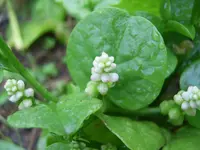
Aciotis rubricaulis Care

Aciotis rubricaulis

About Aciotis rubricaulis

Aciotis rubricaulis is a small shrub or subshrub in the Melastomataceae family, usually grown for its delicate foliage and clusters of small flowers. It tends to form low, branching mounds with slender, often reddish stems and opposite leaves, giving it a fine-textured appearance.

This species is native to tropical parts of the Americas, where it grows in warm, humid habitats with regular rainfall. It is not a common houseplant, so information on how to care for Aciotis rubricaulis is still limited, and it can be more challenging than mainstream indoor species. In general, it prefers bright, filtered light, evenly moist but not waterlogged soil, and consistent warmth without strong temperature swings.

Main Plant Requirements

Care Difficulty

Moderate Care

Light Preference

Partial Shade

Water Requirements

Regular Water

Temperature Preference

Tropical / Frost Sensitive

Hardiness Zone

11–13

Soil Texture

Loamy, Peaty, Organic-rich

Soil pH

Acidic (5.5–6.5)

Soil Drainage

Moist but well-drained

Fertilization

Light (every 4–6 weeks)

Get Personalized Care Plan

Scan your plant to receive care tips personalized for your specific plant

Available on iOS and Android

How to Care for the Aciotis rubricaulis

This species prefers bright but softened light, similar to a lightly shaded forest edge.

  • Provide 3–5 hours of gentle morning sun with bright, dappled or filtered light for the rest of the day, avoiding harsh midday and late-afternoon sun.
  • Grow Aciotis rubricaulis in partial shade outdoors, such as under high tree canopies or on an east-facing exposure where it is protected from intense summer sun.
  • Watch leaves for stress: pale, scorched, or crispy patches suggest too much direct sun, while weak, stretched stems and sparse flowering suggest insufficient light.

This plant prefers consistently moist, well-drained soil without becoming waterlogged.

  • Water when the top 2–3 cm of soil feel slightly dry, allowing deeper soil to stay lightly moist rather than fully drying out between waterings.
  • Use a loose, well-draining mix and avoid standing water around the roots; yellowing, soft stems or a sour smell indicate potential overwatering and root issues.
  • In warmer months, expect more frequent watering, while in cooler seasons reduce frequency, watching for slight leaf droop or dry upper soil as cues to water.

This species performs best in warm, frost-free conditions with minimal temperature swings.

  • Aim for 65–80°F (18–27°C) during active growth, as this range supports steady foliage and root development.
  • Protect the plant from cold; growth slows below about 55°F (13°C) and tissue damage is likely below 40°F (4°C), especially during prolonged chills.
  • During heat above 86°F (30°C), increase shade and soil moisture monitoring to prevent stress, and shield from drying winds or hot, reflective surfaces.

This species prefers moderately high humidity and reacts quickly to very dry air.

  • Aim for 50–70% humidity, as prolonged levels below 40% cause leaf-edge browning and slowed growth.
  • Watch for curling, crispy tips, and dull foliage color as early signs of humidity stress.
  • Increase humidity with a nearby humidifier, grouped plants, or a pebble tray, rather than misting the foliage directly.

This plant needs a loose, organic-rich mix that stays evenly moist yet drains freely.

  • Use a fine-textured mix of peat or coco coir, compost, and perlite or pumice to keep roots aerated and prevent compaction.
  • Target a slightly acidic pH of 5.5–6.5, similar to mixes made for many tropical ornamentals.
  • Avoid heavy clay-based mixes or unamended garden soil that hold water and reduce oxygen around the roots.
  • For Aciotis rubricaulis, mix in extra perlite or fine bark if the potting medium stays wet for longer than 3–4 days.

This species adapts well to container growing when given a stable, well-drained setup.

  • Choose a wide, shallow pot so the fibrous roots can spread laterally without sitting in deep, wet substrate.
  • Use a pot material with moderate breathability, such as terracotta or ceramic, to reduce the risk of prolonged waterlogging.
  • Select a container shape that resists tipping, as lateral branching and foliage can make the plant slightly top-heavy when mature.

Light, balanced feeding supports steady growth and flowering in Aciotis rubricaulis.

  • Use a balanced liquid fertilizer (for example 10-10-10) at 1/2 strength during the active growing season.
  • Apply every 4–6 weeks in spring and summer on moist soil to avoid root burn.
  • Pause feeding in late fall and winter when growth slows or outdoors in cooler climates.
  • Incorporate a thin layer of fine compost or use a mild slow-release fertilizer for container plants.

Pruning helps maintain a compact, floriferous shape in Aciotis rubricaulis.

  • Carry out light pruning in late winter or early spring before strong new growth starts.
  • Remove dead, damaged, or crossing stems first, then thin crowded shoots to improve air movement.
  • Shorten overly long stems to encourage branching and denser foliage.
  • Use clean, sharp scissors or hand pruners, making cuts just above a leaf node.

Container-grown plants benefit from occasional repotting or transplanting to maintain healthy roots.

  • Check for roots circling the pot, emerging from drainage holes, or noticeably slowed growth as cues to move the plant.
  • Plan repotting or transplanting in spring, aiming for every 2–3 years for potted specimens.
  • Shift into a pot 2–3 cm wider, using a free-draining, slightly acidic mix, and handle roots gently.
  • Water thoroughly after moving, keep in bright but indirect light, and avoid heavy fertilizing for 2–3 weeks to reduce stress.

New plants are most often raised from stem cuttings or seeds when growing Aciotis rubricaulis.

  • Take softwood or semi-ripe stem cuttings in late spring or early summer, 7–10 cm long with several nodes.
  • Remove lower leaves and place cuttings in a moist, free-draining medium, keeping humidity high and temperature around 70–75°F.
  • Provide bright, indirect light and avoid waterlogging to prevent rot while roots form.
  • Sow fresh seed on the surface of sterile mix, barely covering, and keep evenly moist and warm for germination.

This species is frost-sensitive and needs protection in regions with cold winters.

  • In areas below 40°F, grow in containers and move plants indoors or into a frost-free greenhouse before the first freeze.
  • Maintain indoor temperatures above 55°F with bright, indirect light and slightly reduced watering.
  • Outdoors in mild climates, add a light mulch around the root zone, keeping it away from stems to reduce rot risk.

Care Tips

Pinch For Bushiness

Regularly pinch back soft shoot tips with clean fingers or scissors to encourage a denser, more compact plant with more flowering points instead of a few lanky stems.


Lightweight Stem Support

Use thin, unobtrusive stakes or small hoop supports to keep the plant’s brittle, upright stems from flopping after heavy watering or rapid growth, tying loosely with soft garden ties or twine.

Root Zone Mulching

Apply a thin 1–2 cm layer of fine bark or leaf mold over the soil surface to keep the shallow roots cool and evenly moist while also reducing algae and moss growth on the potting mix.

Preventive Pest Scouting

Inspect the undersides of leaves and soft stem tips weekly with a hand lens, and at the first sign of spider mites or whiteflies, rinse foliage with a gentle water spray before following up with insecticidal soap if needed.

Seasonal Growth Reset

At the end of the main flowering flush, cut back older, woody stems by about one-third and repot if rootbound to refresh growth, which is often the most effective step when caring for Aciotis rubricaulis over multiple seasons.

Common Pests and Diseases

Spider mites

This pest feeds on the undersides of leaves, causing fine stippling, dull foliage, and delicate webbing on young shoots of Aciotis rubricaulis in warm, dry conditions.

Solution

Increase humidity, rinse foliage thoroughly with a firm stream of water, then apply insecticidal soap or neem oil to all leaf surfaces and repeat every 5–7 days until no new damage appears.

Leaf spot

This disease causes small dark or reddish-brown spots that can merge into irregular patches, often starting on older leaves in dense, humid plantings.

Solution

Remove and discard affected leaves, avoid overhead watering, improve spacing and airflow around plants, and if spotting continues, use a copper-based fungicide according to label directions during humid periods.

Mealybugs

These insects appear as white cottony clusters in leaf axils and on stems, sucking sap and leading to distorted growth and sticky honeydew on nearby surfaces.

Solution

Isolate the plant, dab visible insects with cotton swabs dipped in 70% isopropyl alcohol, then wash the plant and follow with repeated applications of neem oil or insecticidal soap to reach insects hidden in crevices when caring for Aciotis rubricaulis.

Interesting Facts

Granite outcrop specialist

This species often grows on exposed granite or sandstone outcrops in its native South American range, anchoring shallow roots into thin, nutrient-poor soils where few other shrubs can persist.

Red-stemmed adaptation

The characteristic reddish stems are rich in pigments such as anthocyanins, which can help protect young tissues from intense sunlight at exposed sites.

Melastome family traits

As a member of the Melastomataceae, it shows the family’s typical opposite leaves with prominent parallel veins, a trait that helps botanists recognize it in the field even when not in flower.

FAQs about Aciotis rubricaulis

This species performs best outdoors in warm, humid, frost-free climates where it receives stable conditions. It can be grown indoors in bright conditions, but Aciotis rubricaulis indoor care is more demanding due to lower humidity and light levels.

Grow Healthy Plants with Botan Care

Keep your plants happy and healthy with plant identification, disease detection, and easy care guidance.

Botan plant care app — identify plants on mobile

Explore More Plants