Encourage Dense Habit
Pinch back 2–3 cm of soft shoot tips every few weeks in spring and early summer to keep the plant compact, stimulate branching, and produce a fuller mat of flowers rather than long, bare runners.

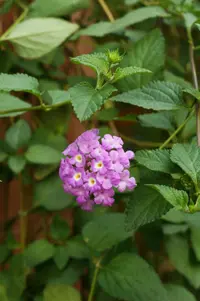
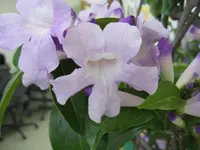
Trailing lantana, Lantana montevidensis, is a low, spreading shrub often used as a groundcover or cascading plant in containers and hanging baskets. It forms long, arching stems with small, rough leaves and clusters of purple, lavender, or sometimes white flowers.
This species comes from South America and is now grown in many warm regions as an ornamental plant. It is valued for its long blooming season, tolerance of heat and short dry spells, and generally low maintenance.
Gardeners who care for trailing lantana usually find it adaptable, provided it receives plenty of sun, good drainage, and is not kept constantly wet.

Care Difficulty
Easy Care

Light Preference
Full Sun

Water Requirements
Low Water

Temperature Preference
Tropical / Frost Sensitive

Hardiness Zone
8–11

Soil Texture
Sandy, Loamy

Soil pH
Acidic (5.5–6.5), Slightly acidic (6.5–7.0)

Soil Drainage
Well-drained

Fertilization
Minimal (feed rarely)
Scan your plant to receive care tips personalized for your specific plant
Available on iOS and Android
Lantana montevidensis thrives in bright, direct sun for compact growth and heavy flowering.
This species prefers moderately dry conditions and resists brief drought once established.
Consistent warmth supports strong growth and prolonged flowering for this heat-tolerant plant.
Humidity is rarely a concern for this species, which thrives in relatively dry air.
Lantana montevidensis prefers lean, sharply drained soil that dries quickly between waterings.
This species grows very well in containers, including hanging baskets and balcony planters.
Lantana montevidensis responds well to modest feeding during its active growing season.
Lantana montevidensis benefits from thoughtful pruning to maintain shape and heavy flowering.
This trailing lantana adapts well to both containers and garden beds but dislikes major root disturbance during active bloom.
New Lantana montevidensis plants are most commonly produced from softwood or semi-ripe cuttings.
In mild climates this species can overwinter outdoors, but in colder regions it needs targeted protection.

Plant Health Check
Not sure what's wrong with your plant? Check your plant's health inside the app.
This species is native to riverine habitats in Uruguay and nearby parts of southern Brazil and Argentina, where it often grows in sunny, disturbed sites and along banks and slopes rather than deep forest.
Unlike some other lantanas, it often spreads more by layering and vegetative growth than by heavy seed production, which helps it form dense, trailing mats in mild climates.
Its small lilac to purple flower clusters are rich in nectar and are particularly attractive to butterflies in warm regions, contributing to pollinator activity in gardens where it is planted.
This species can spread widely by low, rooting stems and berries, especially in warm climates. In mild regions, monitor growth, remove volunteer seedlings, and trim edges regularly to prevent it from smothering nearby plants or escaping beds.
Keep your plants happy and healthy with plant identification, disease detection, and easy care guidance.