Encourage Repeat Bloom
Deadhead spent flower heads down to a strong side shoot every 3–5 days during peak season to extend flowering and reduce self-seeding into unwanted areas.

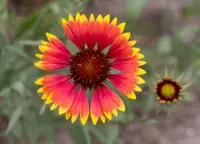
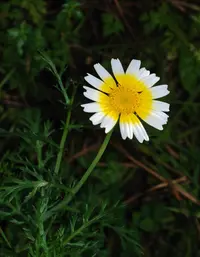
Indian blanket, also called firewheel, is a warm-season flowering annual or short-lived perennial in the aster family. Gaillardia pulchella forms loose, branching clumps with daisy-like blooms. Flowers usually have red centers with yellow or orange tips, creating a banded pattern that stands out in mixed borders and wildflower meadows. Plants often bloom over a long season in suitable climates. It is native to prairies, sandy sites, and open areas in the central and southern United States and parts of Mexico. This origin makes it generally resilient, heat-tolerant, and relatively easy to grow. Gardeners who want to care for Indian blanket should know it prefers full sun, well-drained soil, and moderate to low moisture once established.

Care Difficulty
Easy Care

Light Preference
Full Sun

Water Requirements
Low Water

Temperature Preference
Warm Climate

Hardiness Zone
3–10

Soil Texture
Sandy, Loamy, Rocky

Soil pH
Slightly acidic (6.5–7.0), Neutral (7.0)

Soil Drainage
Well-drained

Fertilization
Minimal (feed rarely)
Scan your plant to receive care tips personalized for your specific plant
Available on iOS and Android
Gaillardia pulchella thrives in strong sun and needs direct light to flower well.
This drought-tolerant species prefers infrequent, deep watering in well-drained soil.
This warm-season wildflower handles heat well but is sensitive to hard frost.
Gaillardia pulchella tolerates a wide humidity range and rarely needs special humidity management.
This species prefers lean, well-drained, sandy or sandy-loam soil that does not stay wet.
This species can be grown successfully in containers outdoors if drainage and root space are managed carefully.
Gaillardia pulchella needs only light feeding to support flowering, as it thrives in lean, well-drained soil.
Pruning Gaillardia pulchella focuses on deadheading and seasonal cleanup to extend bloom and keep plants tidy.
Indian blanket is usually grown in beds, so transplant timing and minimal disturbance are more important than frequent repotting.
Gaillardia pulchella is most commonly propagated from seed, with some use of division in established clumps.
Gaillardia pulchella is short-lived and moderately hardy, usually needing only light winter care in mild to medium climates.

Plant Health Check
Not sure what's wrong with your plant? Check your plant's health inside the app.
Gaillardia pulchella is typically an annual or short-lived perennial on sandy, disturbed soils in the south-central United States, forming bright patches in prairies, roadsides, and coastal dunes where many other forbs struggle to establish.
This species has narrow, often lobed leaves with sparse hairs and a deep, branching root system that help it maintain flowering under high heat and low water, which is why it often dominates in hot, dry sites where competition is low.
Its outer ray florets usually show a red base with yellow tips around a raised, globe-like central disk of tubular florets, a color pattern that is highly attractive to native bees and butterflies looking for both nectar and pollen.

In parts of its native range, Gaillardia pulchella naturally hybridizes with the closely related Gaillardia aristata, and these hybrids are thought to be the wild ancestors of many modern blanket flower garden cultivars.
Poor flowering usually comes from too little direct sun, excess nitrogen fertilizer, or old, exhausted plants. Deadhead spent blooms, avoid rich high-nitrogen feeds, and replace older clumps every few years to maintain reliable flowering.
Keep your plants happy and healthy with plant identification, disease detection, and easy care guidance.