Spanish Peaks Foxglove Care (Digitalis thapsi)

Spanish Peaks Foxglove

About Spanish Peaks Foxglove

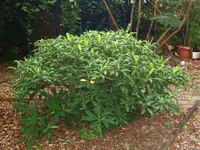
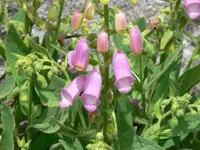
Spanish Peaks foxglove, Digitalis thapsi, is a compact, clump-forming perennial known for its soft, woolly foliage and tall spikes of rosy purple, tubular flowers. It typically stays lower than many other foxgloves, which makes it suitable for smaller borders and cottage-style plantings.

This species is native to rocky, mountainous areas of Spain, so it is naturally adapted to relatively dry, well-drained soils and sunny to lightly shaded positions. It tends to be longer lived than biennial foxgloves but may still be short-lived in wet or heavy soils.

Once established, it is moderately easy to grow if given sharp drainage and not overwatered. Gardeners who learn how to care for Spanish Peaks Foxglove usually find it reliable in suitable climates.

Main Plant Requirements

Care Difficulty

Moderate Care

Light Preference

Partial Sun

Water Requirements

Moderate Water

Temperature Preference

Cool Climate

Hardiness Zone

5–8

Soil Texture

Sandy, Loamy, Rocky

Soil pH

Acidic (5.5–6.5), Slightly acidic (6.5–7.0)

Soil Drainage

Well-drained

Fertilization

Minimal (feed rarely)

Get Personalized Care Plan

Scan your plant to receive care tips personalized for your specific plant

Available on iOS and Android

How to Care for the Spanish Peaks Foxglove

This foxglove prefers bright conditions with some protection from intense midday sun.

  • Provide 4–6 hours of morning sun or light afternoon shade; in hotter regions, give Spanish Peaks Foxglove dappled light during midday.
  • Allow partial shade, especially in summer; plants in deeper shade may grow leggy and produce fewer flower spikes.
  • In very strong sun, especially on south- or west-facing sites, foliage can scorch or wilt; use nearby plants or light shade cloth to filter harsh light.

This species prefers evenly moist but never soggy soil, especially during active growth and flowering.

  • Water when the top 3–5 cm of soil feels dry, then soak the root zone thoroughly and let excess drain away.
  • In spring and early summer, check moisture more often; in cooler or rainy periods, extend the interval and avoid topping up wet soil to reduce rot risk.
  • Signs of overwatering include yellowing lower leaves and soft crowns; dry, curling leaves and limp stems indicate the plant has stayed dry for too long.

This foxglove is a cool- to mild-climate perennial that dislikes extreme heat or severe, prolonged frost.

  • Best growth occurs at 55–70°F (13–21°C), with strong flowering in cool springs and mild summers.
  • Mature plants tolerate short drops to about 15–20°F (-9 to -6°C) if soil drains well, but young plants benefit from mulch protection in hard freezes.
  • In hot spells above 85°F (29°C), flowering may slow; provide afternoon shade and consistent soil moisture to limit heat stress.

This species tolerates typical outdoor humidity and does not require special adjustments in most gardens.

  • Prefers 30–60% humidity but remains healthy in drier air common in many inland climates.
  • Dry air stress shows as crisp leaf edges and faster wilting between waterings, especially in pots.
  • For Spanish Peaks Foxglove in hot, dry sites, group plants and mulch soil surface to moderate evaporation.

Digitalis thapsi prefers light, free-draining soil that never stays waterlogged.

  • Use a sandy or loamy soil with plenty of grit to keep structure open and prevent compaction.
  • Aim for slightly acidic to neutral pH around 6.0–7.0, avoiding strongly alkaline or saline conditions.
  • Mix garden soil with coarse sand and compost in about 2:1:1 ratio to balance drainage and moderate fertility.
  • Improve aeration on heavy sites by raising beds and working in sharp sand or fine gravel, avoiding clayey spots.

This species can be grown in containers if drainage and stability are carefully managed.

  • Choose a pot at least 25–30 cm deep to accommodate the taproot and reduce rapid drying.
  • Use a heavy terracotta or ceramic container to keep tall flower spikes from tipping in wind.
  • Elevate the pot on feet or bricks so drainage holes stay clear and excess water escapes quickly.

Digitalis thapsi needs only light feeding in reasonably fertile soil.

  • Apply a balanced, slow-release fertilizer (around 10-10-10) at half strength once in early spring to support growing Spanish Peaks Foxglove.
  • Use a thin layer of compost around the root zone in spring to improve soil structure and moderate nutrition.
  • During the main growing season, avoid additional high-nitrogen feeds that cause soft, floppy growth.
  • Do not fertilize in late fall or winter, when the plant is semi-dormant and growth slows.

Digitalis thapsi benefits from light, targeted pruning to maintain health and flowering.

  • Cut back finished flower spikes in late spring or early summer to tidy plants and encourage a neater mound of foliage.
  • Remove dead, damaged, or diseased leaves whenever noticed using clean, sharp hand pruners or scissors.
  • Thin crowded rosettes slightly at the base to improve air flow and reduce fungal issues.
  • In late winter, clear away old, tattered foliage to make room for fresh spring growth.

This species is usually grown in the ground, so focus on careful transplanting rather than frequent repotting.

  • Transplant in early spring or early fall, when temperatures are mild and soil is moist but not waterlogged.
  • Move plants only if necessary, as Digitalis thapsi dislikes root disturbance and may sulk after major disruption.
  • Lift with a wide, deep root ball to keep fibrous roots intact; replant at the same depth in well-drained soil.
  • Water thoroughly after transplanting, then keep soil evenly moist for 1–2 weeks to reduce transplant stress.

New Digitalis thapsi plants are most often raised from seed under cool, moist conditions.

  • Sow fresh seed in late summer or early spring on the soil surface; do not bury, as seeds need light to germinate.
  • Maintain 60–68°F and consistently moist, not soggy, substrate until seedlings appear in 2–4 weeks.
  • Prick out seedlings carefully into individual cells once they have 2–3 true leaves, handling by the leaves.
  • Division is seldom used, but small offsets can be lifted and replanted in early spring with minimal root disturbance.

Digitalis thapsi is moderately cold hardy and needs only simple winter care in most mild to cool climates.

  • In regions with frost, apply a 5–8 cm mulch of leaf mold or compost around the crown in late fall, keeping the center uncovered.
  • Leave some basal foliage in place to shield the crown, trimming only clearly dead leaves.
  • In colder zones or exposed sites, grow in containers and move pots to a sheltered, unheated but frost-sheltered area.

Care Tips

Early staking support

Install low, discreet stakes or a short plant ring when rosettes start to elongate in spring so the tall, soft stems have support before wind or rain can bend or snap them.

Basal offset management

Mark and gently lift congested clumps every 3–4 years, then replant the healthiest basal offsets at the same depth to maintain flowering performance and reduce disease buildup in the crown area.

Targeted deadheading

Remove only the spent side spikes first and leave the main flower stem until most bells have faded, which encourages a modest second flush while still allowing some seed set if desired.

Root-zone mulching

Apply a thin (2–3 cm) layer of fine gravel or grit around the crown instead of organic mulch to keep the neck dry, reduce splash-borne fungal spores, and improve winter survival.

Preventive pest scouting

Inspect the undersides of leaves and new flower spikes weekly from late spring for aphids and leaf spots, and hose off or prune out early infestations promptly, which is one of the most effective habits when caring for Spanish Peaks Foxglove.

Common Pests and Diseases

Powdery mildew

This disease causes pale, dusty white patches on leaves, often starting on older foliage in humid, stagnant conditions.

Solution

Remove and discard affected leaves, then improve air circulation by thinning nearby plants and avoiding overhead watering; if needed, apply a sulfur or potassium bicarbonate fungicide labeled for ornamentals at the first signs of infection and repeat as directed.

Leaf spot

This disease produces small brown or purplish spots with lighter centers on leaves, which can merge and cause premature yellowing and drop in wet weather.

Solution

Cut off and destroy heavily marked leaves, water at soil level to keep foliage dry, space plants to dry quickly after rain, and, in severe or recurring cases, use a copper-based or chlorothalonil fungicide according to label directions.

Aphids

These insects cluster on tender shoots and flower stems, sucking sap and causing distorted growth and sticky honeydew that can attract sooty mold.

Solution

Spray colonies off with a firm stream of water, then treat remaining insects with insecticidal soap or a light horticultural oil, repeating every 5–7 days until populations are low while also encouraging natural predators such as lady beetles by avoiding broad-spectrum insecticides nearby.

Slugs and snails

These pests chew irregular holes in leaves and flowers, often leaving slime trails on or around the plant, especially in cool, damp conditions.

Solution

Hand-pick at dusk or early morning, reduce hiding places such as dense mulch against stems, use iron phosphate slug baits around but not touching the crowns, and keep irrigation controlled so the soil surface is not constantly wet at night.

Botrytis blight

This disease causes soft, brown, water-soaked spots on leaves, stems, and flower spikes that quickly develop gray, fuzzy mold in cool, humid weather.

Solution

Remove and discard all affected tissue and plant debris, increase spacing and airflow around plants, avoid wetting foliage, and in persistent cases apply a labeled botrytis fungicide during extended cool, damp periods as part of broader Digitalis thapsi care instructions focused on good sanitation and ventilation.

Interesting Facts

Iberian endemic range

This species is naturally restricted to parts of the Iberian Peninsula, especially central and western Spain, where it grows on rocky slopes, scrub, and open woodlands with relatively poor, well-drained soils.

Distinctive woolly foliage

The leaves form a low rosette covered in dense, soft hairs, which reduce water loss and help the plant tolerate sun and dry conditions in its native Mediterranean climate.

Nodding pink flowers

Its drooping tubular flowers are typically soft pink to mauve with spotted interiors, and their downward-facing position helps protect pollen from rain while guiding visiting pollinators into the corolla tube.

Botan icon

Did you know?

Digitalis thapsi played an important role in horticultural breeding as a parent of several modern ornamental foxglove hybrids, contributing compact growth and soft pink flower color to many garden cultivars.

FAQs about Spanish Peaks Foxglove

All foxgloves are highly toxic if eaten by pets or people. Ingestion can affect the heart and cause nausea, vomiting, irregular heartbeat, or even be life‑threatening. Always plant out of reach and avoid using parts in teas or herbal remedies.

Grow Healthy Plants with Botan Care

Keep your plants happy and healthy with plant identification, disease detection, and easy care guidance.

Botan plant care app — identify plants on mobile

Explore More Plants