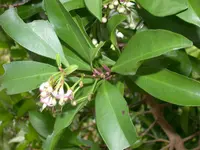
Sutera cordata Care (Chaenostoma cordatum)

Also known as: Forest Skunkbush
Sutera cordata

About Sutera cordata

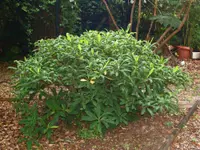
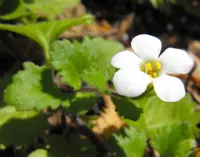
Sutera cordata, also known as Chaenostoma cordatum or bacopa, is a small, trailing perennial often grown as an annual in cooler climates. It forms a dense mat of fine stems covered with small, rounded leaves.

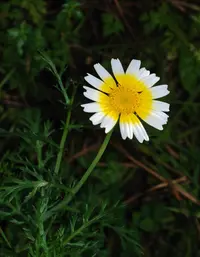
Plants are typically studded with many tiny white, pink, or lavender flowers that bloom over a long season, giving a soft, cloud-like effect in baskets and containers. It naturally occurs in South Africa, where it grows in mild, coastal or upland conditions.

This species is valued for its continuous flowering and relatively forgiving nature, though it resents drying out completely or sitting in waterlogged soil. It prefers bright light with mild temperatures and benefits from consistent moisture, which is key to successful care for Sutera cordata.

Main Plant Requirements

Care Difficulty

Moderate Care

Light Preference

Partial Sun

Water Requirements

Keep Soil Moist

Temperature Preference

Tropical / Frost Sensitive

Hardiness Zone

9–11

Soil Texture

Sandy, Loamy, Organic-rich

Soil pH

Acidic (5.5–6.5), Slightly acidic (6.5–7.0)

Soil Drainage

Moist but well-drained

Fertilization

Moderate (every 2–4 weeks)

Get Personalized Care Plan

Scan your plant to receive care tips personalized for your specific plant

Available on iOS and Android

How to Care for the Sutera cordata

Chaenostoma cordatum performs best in bright outdoor conditions with gentle sun exposure.

  • Provide 4–6 hours of sun daily, ideally with morning sun and light afternoon shade, especially in hot summers.
  • Tolerates partial shade (2–4 hours of direct sun) but flowering may decrease if grown in deep shade or on a very dim balcony.
  • Protect from intense afternoon sun in hot climates, as prolonged exposure can scorch foliage; when caring for Sutera cordata, use filtered light or dappled shade in midsummer.

Chaenostoma cordatum needs consistent moisture but is sensitive to waterlogged soil.

  • Water when the top 2–3 cm of soil feel dry, using enough water so it drains freely from the root zone or container holes.
  • In spring and summer, check moisture more often during hot, windy periods; in cooler or rainy weather, extend the interval between waterings.
  • Watch for pale, limp leaves and very dry soil as signs of underwatering; yellowing, soft stems, and a sour smell indicate overwatering or poor drainage.

This plant prefers mild conditions and is usually grown as a warm-season annual in temperate climates.

  • Aim for 60–75°F (16–24°C) for best growth and flowering, with steady conditions rather than frequent swings.
  • Protect from cold; growth slows below 50°F (10°C) and plants are usually damaged or killed by frost near 32°F (0°C).
  • In hot spells above 85°F (29°C), flowering can pause; provide afternoon shade and ensure soil does not dry out completely during heat waves.

This plant prefers moderate humidity and usually adapts well to typical indoor air.

  • Aim for 40–60% humidity for best flowering and growth in Chaenostoma cordatum.
  • It tolerates brief drier air, but very dry rooms can cause crisp leaf edges and fewer blooms.
  • Increase humidity with a nearby tray of damp pebbles or grouping plants, rather than misting flowers directly.

Chaenostoma cordatum favors light, free-draining soil that still holds some moisture.

  • Use a loose mix of 50–60% peat- or coir-based potting mix with 20–30% perlite and 10–20% fine bark or coarse sand for structure.
  • Aim for slightly acidic to neutral pH around 6.0–7.0 to support nutrient uptake and root health.
  • Ensure rapid drainage so water runs through within seconds; avoid heavy clay, compacted ground, or mixes that stay wet for more than 2–3 days.
  • Improve aeration by gently working in coarse perlite or fine bark if the mix feels dense or waterlogged.

This species is well suited to container growing, especially in hanging baskets and balcony planters.

  • Choose a wide, shallow container so spreading stems can trail while roots stay in a consistently moist but not waterlogged zone.
  • Select a relatively lightweight pot material if using large balcony planters to prevent excess heat buildup around the roots.
  • Secure hanging baskets or rail planters firmly, as mature trailing growth can make the container unevenly weighted in wind.

Chaenostoma cordatum benefits from modest feeding to support continuous flowering in containers and baskets.

  • Use a balanced water-soluble fertilizer (for example 10-10-10 or 20-20-20) diluted to 1/2 strength.
  • Feed every 2–3 weeks during the main growing season for best flowering when growing Sutera cordata in pots.
  • Reduce feeding to once every 6–8 weeks in late fall and winter, especially indoors.
  • Avoid heavy applications; flush the potting mix with plain water occasionally to limit salt buildup.

Thoughtful pruning keeps Chaenostoma cordatum compact and encourages steady bloom production.

  • Use clean, sharp scissors or hand pruners to avoid crushing stems.
  • In spring and midseason, pinch or trim back leggy shoots to shape the plant and promote branching.
  • Remove dead, damaged, or spent flowering stems throughout the season to stimulate new buds.
  • Lightly shear back by up to one-third if the plant becomes open or straggly, then water and feed.

Container-grown Chaenostoma cordatum appreciates timely transplanting to maintain root health and flowering.

  • Check for roots circling the drainage holes, crowded root balls, or slower growth as signs it needs a larger container.
  • Plan to repot every 1–2 years in early spring, before vigorous new growth starts.
  • Shift into a pot 2–5 cm wider, using fresh, well-drained potting mix and gentle root loosening.
  • Water thoroughly after moving, shade for a few days, and avoid strong fertilizer until new growth appears.

Chaenostoma cordatum is most commonly propagated from softwood stem cuttings taken during the growing season.

  • Take 6–8 cm non-flowering tip cuttings in late spring or early summer.
  • Remove lower leaves and insert cuttings into a sterile, free-draining mix such as perlite and peat or coco coir.
  • Maintain high humidity and bright, indirect light at 65–75°F to support root formation.
  • After rooting, harden off gradually, then pot into fertile, well-drained medium and resume normal care.

Chaenostoma cordatum is frost-sensitive and usually treated as an annual in colder climates.

  • In regions with mild winters, add a 3–5 cm mulch layer around outdoor plants to buffer temperature swings.
  • Before first frost, move containers indoors to a bright, cool room above 50°F.
  • Reduce watering in winter, keeping the soil lightly moist but never saturated to prevent root rot.

Care Tips

Pinch For Bushiness

Regularly pinch back soft shoot tips every 2–3 weeks in early growth to keep stems compact, increase branching, and extend flowering over the season.

Refresh Midseason

If plants become leggy or sparse, shear back all stems by about 1/3 and follow with a light feed and thorough watering to trigger a flush of dense new growth and blooms.

Basket Edge Placement

In hanging baskets or containers, place plants close to the rim and allow stems to trail freely so flowers are fully exposed to light and air, which improves flower density and reduces stem rot.

Strategic Deadheading

Instead of removing each spent flower, lightly shear over the plant with clean scissors every few weeks to remove old blooms in bulk and stimulate continuous budding.

Moisture Buffer Mulch

Apply a thin 1–2 cm layer of fine bark or composted pine mulch on the soil surface in containers to buffer moisture swings and protect the shallow root system when growing Sutera cordata.

Common Pests and Diseases

Botrytis blight

This disease causes soft, brown, water-soaked spots on leaves and flowers that quickly develop gray, fuzzy mold, especially in cool, damp weather. Symptoms include rapid decline of flowers and collapse of tender stems.

Solution

Remove and discard all affected flowers and stems, then improve air circulation by thinning dense growth and avoiding overhead watering. Keep foliage as dry as possible, water early in the day, and if conditions stay humid, apply a labeled fungicide for gray mold according to local guidelines as part of broader Chaenostoma cordatum care instructions.

Powdery mildew

This disease appears as white, powdery patches on leaves and stems, often starting on older foliage in crowded, humid conditions. Symptoms include distorted new growth and reduced flowering over time.

Solution

Space plants to improve airflow, water at soil level, and avoid high humidity around foliage. Remove heavily infected leaves and, if needed, treat with a sulfur or potassium bicarbonate-based fungicide, following the label carefully and repeating only as directed.

Aphids

These insects cluster on tender shoots and flower stems, sucking sap and causing curling leaves, sticky honeydew, and reduced vigor. This pest can also promote sooty mold growth on the sugary residue.

Solution

Rinse colonies off with a firm stream of water, focusing on shoot tips and undersides of leaves. For persistent infestations, use insecticidal soap or a light horticultural oil, applying in the early morning or evening and repeating as needed to break the life cycle.

Spider mites

This pest thrives in hot, dry conditions and causes fine stippling, dull or bronzed foliage, and delicate webbing on the undersides of leaves. Symptoms include general decline and leaf drop if left unchecked.

Solution

Increase humidity around plants, regularly hose down foliage, and isolate heavily affected containers. Treat with insecticidal soap or a labeled miticide, ensuring thorough coverage of leaf undersides and repeating at short intervals to target emerging mites.

Whiteflies

These insects are tiny white, moth-like pests that fly up in a cloud when the plant is disturbed and feed on leaf undersides, causing yellowing, wilting, and sticky honeydew. Symptoms include weakened growth and potential sooty mold on coated leaves.

Solution

Use yellow sticky traps to monitor and reduce adult populations, and regularly inspect and wipe or rinse leaf undersides. Apply insecticidal soap or horticultural oil to target nymphs on the foliage, repeating applications as necessary while maintaining good airflow and avoiding plant stress.

Interesting Facts

South African streambanks

This species is native to the Eastern Cape and KwaZulu-Natal regions of South Africa, where it naturally grows on moist slopes and along streambanks, often forming loose mats over rocks and shallow soil.

Flowering under short days

In commercial production it is treated as a facultative short-day plant, meaning flowering intensity and branching improve when day length is slightly reduced, which helps explain its heavy blooming in shoulder seasons rather than peak midsummer heat.

Heat-sensitive blooming

The plant continues vegetative growth at relatively high temperatures but tends to reduce flower production during extended hot periods, then resumes heavier bloom when conditions cool again, a response that growers use to time peak display in mild seasons.

FAQs about Sutera cordata

Poor flowering usually comes from heat stress, too little light, or spent blooms left on the plant. Trim lightly to remove old flowers, keep it cool in summer, and maintain steady nutrition for repeat flushes.

Grow Healthy Plants with Botan Care

Keep your plants happy and healthy with plant identification, disease detection, and easy care guidance.


Botan plant care app — identify plants on mobile

Explore More Plants