Oriental paperbush Care (Edgeworthia chrysantha)

Oriental paperbush

About Oriental paperbush

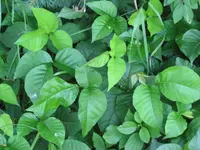
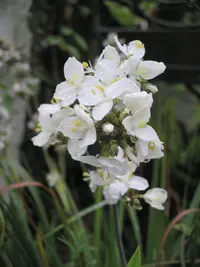
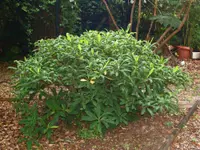
Oriental paperbush (Edgeworthia chrysantha) is a compact, deciduous shrub valued for its fragrant late-winter flowers. It forms a rounded shape with flexible, cane-like stems and broad, soft green leaves that drop in fall.

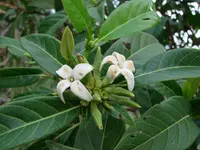
In winter, silvery flower buds sit along bare branches, opening into clusters of small, tubular, yellow or cream flowers with a strong, sweet scent. The plant is native to woodland edges and stream banks in China and the Himalayas, which explains its preference for sheltered, partially shaded sites.

It generally prefers moist, well-drained, humus-rich soil and protection from harsh wind. With the right spot and steady moisture, it is not difficult to care for Oriental paperbush, but it dislikes drought and root disturbance.

Main Plant Requirements

Care Difficulty

Moderate Care

Light Preference

Partial Shade

Water Requirements

Regular Water

Temperature Preference

Cool Climate

Hardiness Zone

7–9

Soil Texture

Loamy, Sandy, Organic-rich

Soil pH

Acidic (5.5–6.5), Slightly acidic (6.5–7.0)

Soil Drainage

Moist but well-drained

Fertilization

Minimal (feed rarely)

Get Personalized Care Plan

Scan your plant to receive care tips personalized for your specific plant

Available on iOS and Android

How to Care for the Oriental paperbush

This shrub prefers bright, gentle light that protects its buds and bark from scorch.

  • Provide 3–5 hours of morning sun with afternoon shade, or dappled light all day, especially in hotter regions.
  • Tolerates light to moderate partial shade, but very dense shade reduces flowering and leads to sparse, leggy growth in Oriental paperbush.
  • In hot summers, avoid harsh sun from 12–4 p.m.; shifting light or high open shade helps prevent leaf scorch and premature bud drop.

Watering should keep the root zone consistently moist but never saturated.

  • Allow the top 3–5 cm of soil to dry slightly, then water deeply so moisture reaches the full root area.
  • Use soil that drains well yet holds moisture; soggy, airless soil around Edgeworthia chrysantha causes yellowing leaves, wilting, and root rot.
  • Increase watering during active growth and hot spells; in fall and winter, reduce frequency but do not let the root ball dry out completely.

This species prefers cool to mild conditions and tolerates winter cold once established.

  • Ideal growing temperatures are about 55–75°F (13–24°C), with cool winters encouraging strong flowering.
  • Mature plants usually survive down to about 5–10°F (-15 to -12°C) with mulch, but young shrubs need protection from hard freezes and drying winter winds.
  • In summer, growth slows above 86°F (30°C); provide afternoon shade and mulch to keep roots cooler and reduce heat stress.

This shrub prefers moderate, steady humidity and copes with typical outdoor conditions in most temperate gardens.

  • Aim for 40–60% humidity; brief dips lower are tolerated if soil moisture is kept even.
  • In very dry air, leaf edges may brown and buds may shrivel before opening, indicating humidity stress.
  • Increase local humidity by underplanting with low groundcovers and applying organic mulch that retains moisture without waterlogging.

Edgeworthia chrysantha grows best in deep, loose, moisture-retentive but well-drained soil.

  • Use a loamy structure with plenty of organic matter; a mix of garden loam, compost, and fine pine bark works well.
  • Ensure free drainage; on heavy clay, create a raised mound and blend in coarse sand or grit plus compost to improve aeration.
  • Target slightly acidic to neutral pH around 5.5–7.0, avoiding strongly alkaline spots that can limit nutrient uptake.
  • Avoid compacted, waterlogged, or very shallow soils, which restrict the fibrous root system and increase risk of root rot.

This species can be grown in containers if the pot is large and stable enough for its woody framework.

  • Choose a tall, wide container that allows lateral root spread and reduces the risk of tipping as shoots lengthen and flower heads develop.
  • Use a weighty pot material or add stones at the base layer (above the drainage holes) to improve stability in windy positions.
  • Select a potting mix that drains freely yet holds moisture, such as a blend of peat-free compost with bark fines and some coarse grit.

Edgeworthia chrysantha benefits from light, consistent nutrition rather than heavy feeding.

  • Apply a balanced, slow-release fertilizer (around 10-10-10) in early spring as new growth begins.
  • Supplement with a thin layer of compost over the root zone once per year to improve soil structure and nutrients.
  • During the growing season, use a half-strength balanced liquid feed every 4–6 weeks if growth appears weak.
  • Stop feeding Oriental paperbush in late summer and avoid fertilizer in winter dormancy to prevent soft, frost-prone growth.

Pruning Edgeworthia chrysantha is mainly about light shaping and removing problem wood after flowering.

  • Time pruning for immediately after flowering in late winter or very early spring, before new shoots extend far.
  • Remove dead, damaged, crossing, or inward-growing branches with clean, sharp bypass pruners or loppers.
  • Thin congested stems at the base to keep an open framework, which improves air flow and flower display.
  • Shorten overly long shoots slightly to maintain a balanced shrub shape without cutting into old woody stems heavily.

This shrub is usually grown in the ground, so focus on careful transplanting rather than frequent repotting.

  • Plan transplanting for early spring or early autumn when temperatures are mild and soil is workable.
  • Move only when necessary, such as poor site choice or declining vigor, since established roots dislike disturbance.
  • Lift with a wide rootball, keep roots shaded and moist, and replant at the same depth in well-drained soil.
  • Water thoroughly after planting, then keep soil evenly moist for several weeks to reduce transplant shock and support new root growth.

Edgeworthia chrysantha is most often propagated by semi-ripe cuttings or layering rather than seed.

  • Take semi-ripe cuttings in mid to late summer, 8–10 cm long, from non-flowering shoots.
  • Remove lower leaves, dip the cut end in rooting hormone, and insert into a free-draining mix under high humidity and bright, indirect light.
  • For simple layering in spring, bend a flexible stem to the soil, wound slightly, pin down, and cover with moist compost until roots form.
  • Seeds require fresh, viable material and cool stratification, then slow germination under evenly moist, well-drained conditions.

This shrub is moderately cold hardy but benefits from some winter protection, especially in colder climates or containers.

  • Edgeworthia chrysantha tolerates light to moderate frost but flower buds can be damaged by severe or sudden freezes.
  • Apply a 5–8 cm mulch layer over the root zone in late autumn, keeping mulch slightly away from the stems.
  • In very cold areas, wrap the lower framework and buds with breathable horticultural fleece during hard freezes.
  • Move container-grown plants into a sheltered, frost-free but cool spot, such as an unheated garage or cold greenhouse, for winter.

Care Tips

Root-zone mulching

Apply a 5–8 cm layer of composted bark or leaf mold over the root zone, keeping mulch a few cm away from the stems, to keep the shallow roots cool, conserve moisture, and reduce weed competition.

Snow and ice support

In areas with wet snow, loosely tie flexible stems together with soft garden tape before winter storms to reduce breakage and consider brushing off heavy snow loads soon after they form.

Bud protection strategy

If a hard frost is forecast after buds have swollen, drape a breathable frost cloth or old sheet over the shrub overnight, removing it in the morning, to help preserve flower buds and fragrance display.

Understory companion planting

Plant low, shallow-rooted groundcovers such as ferns or hellebores nearby to shade the soil and stabilize moisture without competing heavily with the shrub’s fine surface roots.

Container transition planning

When moving a container-grown plant into the ground, gradually reduce container watering and lightly root-prune circling roots at planting time to help it establish more quickly and grow a stable root system.

Common Pests and Diseases

Scale insects

This pest attaches to stems and leaf undersides, sucking sap and causing yellowing, leaf drop, and overall decline, especially on older, woody Oriental paperbush stems. Symptoms include small, dome-shaped, brown or gray bumps that do not move when touched.

Solution

Prune out heavily infested stems, then wipe remaining colonies with cotton pads dipped in 70% isopropyl alcohol or spray with a mild horticultural soap, repeating every 7–10 days until new growth is clean. Improve plant vigor with proper watering and mulch so the shrub can better tolerate minor feeding damage and monitor stems each winter when the leafless framework makes scale easier to spot.

Aphids

These insects cluster on tender shoot tips and flower buds, feeding on sap and causing distorted new growth and sticky honeydew that can attract ants or lead to sooty mold. This pest is often most visible on early-season shoots as flower clusters are developing.

Solution

Dislodge colonies with a strong stream of water directed at young stems and buds, then follow with insecticidal soap if needed, making sure to coat the undersides of leaves and repeating weekly until populations drop. Encourage natural predators such as lady beetles and avoid high-nitrogen fertilizer that drives very soft, aphid-prone growth.

Leaf spot

This disease causes small brown or tan spots on leaves that may enlarge, merge, and lead to premature leaf drop, especially in humid or poorly ventilated sites. Symptoms include irregular lesions often edged in darker tissue on the mid to lower canopy.

Solution

Remove and discard affected leaves from the plant and the ground, then improve air circulation by thinning congested inner branches and avoiding overhead watering. If spotting persists in wet seasons, apply a labeled copper or chlorothalonil fungicide at the first sign of new lesions and repeat as directed, focusing on protecting new foliage.

Powdery mildew

This disease produces a white to gray, powdery coating on leaves and young stems, leading to reduced vigor, leaf distortion, and in severe cases partial defoliation. Symptoms include a dusty film that can be wiped off with a finger but quickly reappears in warm, dry days with cool, humid nights.

Solution

Increase airflow by careful pruning, avoid crowding with nearby shrubs, and water at the soil level rather than on foliage. At first appearance, treat with a sulfur or potassium bicarbonate product labeled for ornamentals, repeating during favorable weather, and remove the most heavily coated leaves to reduce spore load.

Interesting Facts

Winter-blooming shrub

This species flowers in late winter on bare wood, producing fragrant, tubular yellow blooms before any leaves appear, which makes it valuable for early-season pollinators in mild climates.

Traditional paper source

The bark fibers have been historically used in East Asia, especially in Japan and China, to produce high-quality handmade paper due to their strength, flexibility, and smooth texture.

Spherical flower clusters

Its flowers are arranged in dense, globe-shaped clusters called umbels, with each head containing many small flowers that together create a strong, sweet scent noticeable from several meters away.

Botan icon

Did you know?

Oriental paperbush has been cultivated in Japanese temple and courtyard gardens for centuries, where its winter flowers were valued not only for fragrance but also for their symbolic association with resilience and renewal during the coldest part of the year.

FAQs about Oriental paperbush

Poor flowering is usually due to heavy pruning after midsummer, drought stress in late summer, or deep shade. Flower buds form on current season growth, so avoid late pruning, maintain steady moisture, and provide filtered light for reliable winter bloom.

Grow Healthy Plants with Botan Care

Keep your plants happy and healthy with plant identification, disease detection, and easy care guidance.


Botan plant care app — identify plants on mobile

Explore More Plants