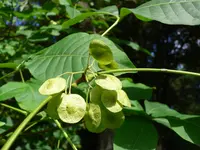
amyruca Care (Psychotria carthagenensis)

amyruca

About amyruca

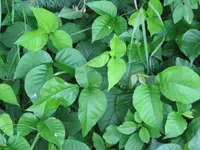
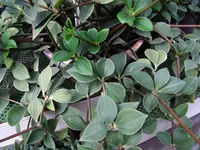
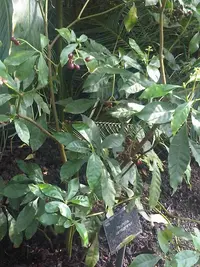
Amyruca, Psychotria carthagenensis, is a tropical shrub from the coffee family, usually forming a compact, leafy bush with glossy green leaves. In nature it grows in warm, humid forests of Central and South America, often in partial shade under taller trees.

The plant prefers consistently moist, well-drained soil and protection from strong direct sun and cold drafts. Its need for stable warmth and humidity makes indoor cultivation moderately challenging outside tropical climates.

For growers willing to control temperature, humidity, and watering, care for amyruca can be manageable and rewarding over time.

Main Plant Requirements

Care Difficulty

Moderate Care

Light Preference

Partial Shade

Water Requirements

Keep Soil Moist

Temperature Preference

Tropical / Frost Sensitive

Hardiness Zone

10–12

Soil Texture

Loamy, Peaty, Organic-rich

Soil pH

Acidic (5.5–6.5), Slightly acidic (6.5–7.0)

Soil Drainage

Moist but well-drained

Fertilization

Light (every 4–6 weeks)

Get Personalized Care Plan

Scan your plant to receive care tips personalized for your specific plant

Available on iOS and Android

How to Care for the amyruca

Psychotria carthagenensis prefers bright, filtered light that mimics an understory tropical habitat.

  • Aim for 3–5 hours of gentle morning sun with dappled or bright indirect light the rest of the day; strong afternoon sun can scorch leaves.
  • Tolerates partial shade, but very low light causes sparse growth and dull foliage, especially in amyruca grown under dense tree canopies.
  • In hot summers, provide shade cloth or placement under taller plants; in cooler seasons, move slightly closer to light to maintain steady growth.

This species needs consistently moist but not waterlogged soil to stay healthy.

  • Water when the top 2–3 cm of soil feels slightly dry, then water thoroughly so moisture reaches the deeper root zone without leaving standing water.
  • Reduce frequency in cooler seasons when growth slows, but never allow the root zone of Psychotria carthagenensis to dry out completely for long periods.
  • Watch for yellowing, mushy leaves as a sign of overwatering and crisp, drooping foliage as a sign of underwatering; adjust frequency and check drainage.

This tropical shrub performs best in warm, stable temperatures without sudden extremes.

  • Ideal growth occurs around 70–80°F (21–27°C), matching warm, humid forest conditions with moderate daily temperature swings.
  • Tolerates brief dips to about 55°F (13°C), but growth slows; prolonged exposure below 50°F (10°C) stresses the plant and increases disease risk.
  • Extremely sensitive to frost; protect from any freeze and from hot, drying winds above roughly 90°F (32°C) by providing shade and higher humidity when possible.

This tropical shrub needs consistently high humidity to grow well indoors or in dry climates.

  • Aim for 60–80% humidity; typical heated homes are often too dry for stable growth.
  • Tolerates brief dips to 40–50%, but leaf edges may brown, curl, or feel papery from humidity stress.
  • Increase humidity with a room humidifier near the plant, grouped plants on a pebble tray, and by keeping amyruca away from heating or cooling vents.

Psychotria carthagenensis prefers loose, moisture-retentive but fast-draining, organic-rich soil.

  • Use a peat- or coco coir-based mix with 30–40% perlite or pumice and some fine bark to keep the structure airy.
  • Target slightly acidic pH around 5.5–6.5, avoiding strongly alkaline mixes that can lock up nutrients and cause chlorosis, or yellowing leaves.
  • Ensure water drains within a few seconds from the pot bottom; heavy, compacted, or clay-based mixes raise root rot risk.
  • Improve aeration by mixing in chunky bark or pumice and breaking up any dense, soggy pockets before planting.

This species adapts well to container culture when root space and drainage are carefully managed.

  • Choose a pot that is slightly taller than wide so the fine root system can extend downward without waterlogging the upper zone.
  • Select a heavier material like ceramic or clay to stabilize the shrub’s leafy top growth in wind or on balconies.
  • Use a container with multiple drainage holes and set it on pot feet or a stand so runoff clears quickly and does not reabsorb into the root zone.

Psychotria carthagenensis benefits from light, steady nutrition that supports leafy growth without forcing soft, weak tissue.

  • Use a balanced liquid NPK fertilizer at 1/4–1/2 strength every 4–6 weeks during the warm growing season.
  • Alternatively, apply a thin layer of mature compost or a low-dose slow-release fertilizer in spring for amyruca indoor care.
  • Pause feeding in late fall and winter when growth slows, especially in cooler rooms or under low light.
  • Always water lightly before applying any fertilizer to reduce root burn and salt buildup.

Psychotria carthagenensis responds well to light structural pruning that maintains a compact, bushy form.

  • Carry out main pruning in late winter or early spring before vigorous new growth begins.
  • Remove dead, diseased, or crossing stems first, then thin crowded shoots to improve light and air flow.
  • Shorten overly long stems by up to 1/3 to control height and encourage branching.
  • Use sharp, clean secateurs and make angled cuts just above a node to reduce infection risk.

This species grows best when given a slightly snug pot and gentle, infrequent repotting or transplanting.

  • Check for roots circling the pot, emerging from drainage holes, or unexplained slow growth as signs it needs more space.
  • Plan to move it to a container 2–4 cm wider every 2–3 years, ideally in spring when active growth resumes.
  • Slide the root ball out carefully, loosen only lightly around the edges, and avoid tearing fine feeder roots.
  • Replant into fresh, well-drained mix, water thoroughly, then keep shaded and evenly moist for 1–2 weeks to reduce transplant stress.

New plants are most commonly raised from semi-ripe cuttings or fresh seed taken from healthy Psychotria carthagenensis stock.

  • Take 8–12 cm semi-ripe stem cuttings in late spring or summer, each with 2–3 nodes.
  • Dip the cut base in a mild rooting hormone, then place in a moist, airy mix of peat-free compost and perlite.
  • Maintain 75–85°F, high humidity, and bright, indirect light until roots form, usually in several weeks.
  • Sow fresh, cleaned seed in warm, consistently moist conditions, noting that germination may be slow and uneven.

This tropical shrub is frost-sensitive and needs sheltered winter conditions in most temperate regions.

  • Keep outdoor container plants above 50°F by bringing them indoors or into a heated greenhouse before first frost.
  • Provide bright, indirect light indoors and reduce watering so the soil stays slightly moist, not wet.
  • In mild climates with brief chills, insulate the root zone with 5–8 cm of mulch and cover with frost cloth during cold snaps.

Care Tips

Root zone aeration

Loosen the top 1–2 in of potting mix every 4–6 weeks with a blunt stick or fork to keep the fine feeder roots supplied with oxygen and to reduce the risk of anaerobic, sour soil conditions.

Gradual light acclimation

When shifting the plant to brighter conditions, increase light levels over 1–2 weeks by moving it a little closer to the window or grow light every few days to prevent leaf scorch and sudden stress responses.

Structured stem support

Install a small stake or hoop and loosely tie young stems with soft ties, as this shrub can become lanky under indoor light and benefits from gentle guidance to keep growth upright and evenly spaced.

Targeted flushing schedule

Every 2–3 months, water thoroughly until 15–20% of the pot volume drains out to flush accumulated salts from fertilizers, then let excess water drain completely to avoid root damage.

Preventive pest monitoring

Inspect the undersides of leaves and new growth weekly with a hand lens, and at the first sign of scale, mealybugs, or mites, isolate the plant and treat with a horticultural soap spray, which supports long-term success in caring for amyruca.

Common Pests and Diseases

Spider mites

This pest thrives on thin, tender leaves in warm, dry indoor air and can be an issue when growing amyruca in containers or greenhouses. Symptoms include fine webbing, tiny pale speckles on leaves, and gradual leaf yellowing and drop.

Solution

Rinse foliage thoroughly with lukewarm water, including leaf undersides, then repeat every few days to break the life cycle; in heavier infestations, use an insecticidal soap or neem oil spray labeled for spider mites. Increase humidity around the plant and avoid very dry, stagnant air, since higher humidity and regular leaf showering make conditions less favorable for mites.

Scale insects

These insects attach to stems and leaf veins and feed on sap, which can weaken plants and cause yellowing and stunted growth. Sticky honeydew and sooty mold may appear on leaves and nearby surfaces.

Solution

Remove individual scales by gently scraping or wiping with a cotton swab dipped in isopropyl alcohol, then wash the plant with water and mild insecticidal soap. Inspect regularly and repeat treatments every 7–10 days until no new scales appear, and isolate infested plants from others to limit spread.

Leaf spot

This disease often appears in humid, shaded conditions with poor air movement, leading to brown or dark water-soaked spots on leaves that may merge into larger patches. Symptoms include premature yellowing and leaf drop, especially on older leaves or those that stay wet for extended periods.

Solution

Remove and discard affected leaves, then water at the soil level to keep foliage as dry as possible and improve spacing and airflow around the plant. If spotting continues to spread, apply a copper-based or other broad-spectrum fungicide labeled for ornamental foliage plants, following the product directions carefully.

Anthracnose

This disease favors warm, moist conditions and can cause irregular tan to dark-brown lesions along leaf edges and tips, sometimes with a yellow halo. Symptoms include distorted new growth and, in severe cases, dieback of young shoots.

Solution

Prune out and discard infected leaves and shoot tips, sterilizing tools between cuts, and avoid overhead watering or misting that keeps leaves wet for long periods. Improve ventilation and, if necessary, use a systemic or contact fungicide labeled for anthracnose on tropical ornamentals, applied as directed until new growth appears clean.

Interesting Facts

Neotropical understory shrub

This species is native to lowland and foothill forests from Central to northern South America, where it usually grows as a small shrub in the shaded, humid understory rather than in open sun.

Seed dispersal by birds

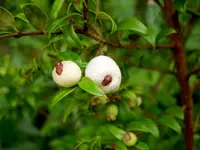
Its small, fleshy fruits are eaten by birds, which then disperse the seeds through their droppings, helping maintain forest regeneration and plant diversity in its native range.

Variable leaf morphology

Leaves are typically entire and glossy, but size and thickness vary noticeably depending on light and moisture, a form of phenotypic plasticity where one genotype produces different leaf forms under different conditions.

Botan icon

Did you know?

Psychotria carthagenensis belongs to the same large Rubiaceae lineage as coffee (Coffea spp.), and like many relatives in this family, it has tiny tubular flowers adapted for pollination by small insects such as bees and flies.

FAQs about amyruca

This species is not typically listed as a common pet toxin, but the leaves and other parts contain bioactive compounds. Avoid ingestion by children and animals, and monitor for vomiting, diarrhea, or unusual behavior after chewing.

Grow Healthy Plants with Botan Care

Keep your plants happy and healthy with plant identification, disease detection, and easy care guidance.

Botan plant care app — identify plants on mobile

Explore More Plants