wafer ash Care (Ptelea trifoliata)

Also known as: common hoptree, stinking ash, American Hop Tree
wafer ash

About wafer ash

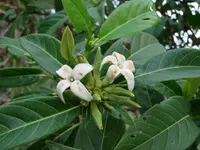
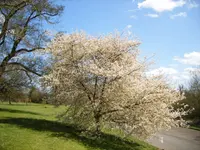
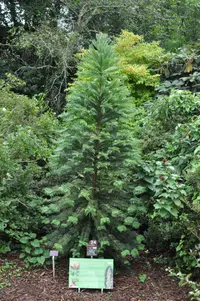
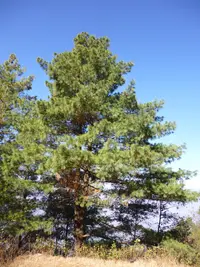
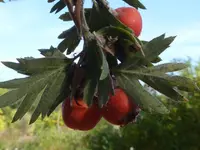
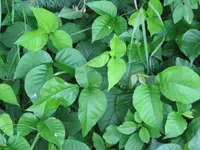
Wafer ash, Ptelea trifoliata, is a small deciduous tree or large shrub from North America, often found in woodlands, thickets, and rocky slopes. It typically forms a rounded crown with trifoliate leaves and flat, wafer-like seed clusters that give the plant its common name.

This species is adapted to varied conditions, tolerating wind, drought once established, and poorer soils, which makes it relatively low-maintenance in suitable climates. It prefers sun to light shade and moderately moist, well-drained soil. Understanding these basic needs is the foundation of how to care for wafer ash in gardens or naturalized plantings.

Main Plant Requirements

Care Difficulty

Easy Care

Light Preference

Partial Sun

Water Requirements

Moderate Water

Temperature Preference

Cold Hardy

Hardiness Zone

3–9

Soil Texture

Sandy, Loamy, Clay

Soil pH

Acidic (5.5–6.5), Slightly acidic (6.5–7.0)

Soil Drainage

Well-drained

Fertilization

Minimal (feed rarely)

Get Personalized Care Plan

Scan your plant to receive care tips personalized for your specific plant

Available on iOS and Android

How to Care for the wafer ash

This small native tree prefers moderate sun exposure with some daily shade for best growth.

  • Provide 4–6 hours of direct sun, ideally morning sun with light afternoon shade, especially in hotter regions.
  • Tolerates partial shade (2–4 hours sun) with slightly looser branching; wafer ash usually looks densest in bright, filtered light beneath taller trees.
  • In hot summers, protect from harsh west-facing exposure to prevent leaf scorch, while in cooler climates a more open, sunny position supports stronger flowering and fruiting.

This species prefers evenly moist, well-drained soil that is allowed to dry slightly between deep waterings.

  • Before watering, let the top 3–5 cm of soil dry, then water slowly so moisture reaches the deeper root zone without pooling.
  • In the first 1–2 growing seasons, watch for limp, curling leaves as a sign of drought stress; cracked, shrinking soil also signals the need for a thorough soaking.
  • Slow growth, yellowing leaves, or persistent soggy soil around Ptelea trifoliata suggest overwatering or poor drainage, so improve runoff and reduce frequency.

This hardy deciduous tree tolerates a wide temperature range but grows best in moderate climates.

  • Active growth is strongest at about 65–80°F (18–27°C), which supports good leaf and root development during spring and summer.
  • Mature plants typically survive winter lows near -20°F (-29°C) when fully dormant, though young trees benefit from protection in exposed, windy sites.
  • During heat waves above 90°F (32°C), provide mulch over the root zone to moderate soil temperature and reduce stress from hot, dry conditions.

Humidity is rarely limiting for this hardy outdoor shrub.

  • Target ambient humidity around 30–60% typical of most outdoor temperate sites.
  • Wafer ash tolerates dry air well if soil moisture is consistent and roots are not allowed to desiccate.
  • Low humidity stress appears mainly as marginal leaf browning during heat plus wind, helped by mulching soil to moderate evaporation.
  • Extra humidity is generally unnecessary; prioritize deep, infrequent watering and shelter from hot, drying winds instead.

Ptelea trifoliata prefers moderately moist, well-drained mineral soils with some organic matter.

  • Use a loamy or sandy-loam soil that breaks apart easily in the hand, with at least 20–30% compost mixed in for structure and nutrients.
  • Ensure rapid drainage by avoiding heavy, compacted clay; if unavoidable, raise the planting area and blend in coarse sand and fine bark to improve percolation.
  • Aim for a slightly acidic to neutral pH of about 6.0–7.5, avoiding strongly alkaline fill or fresh lime around the root zone.
  • Improve aeration by preventing trampling over the root area and periodically top-dressing with compost rather than burying the root flare under extra soil.

This species can be grown in containers for several years, especially in its juvenile stages.

  • Choose a deep, heavy container so the root system can anchor the shrub and the weight prevents tipping in strong winds.
  • Use a fast-draining mix based on coarse bark, perlite, and loam to balance moisture retention with airflow around woody roots.
  • Position the container where runoff can drain away freely so the lower drainage holes never sit in collected water, reducing root suffocation risk.

This adaptable native tree needs only light feeding in most garden soils, so focus on maintaining soil health rather than heavy fertilization when caring for wafer ash.

  • Use a balanced slow-release fertilizer (around 10-10-10 NPK) or a thin layer of compost in early spring if growth seems weak.
  • Apply once per year during the active growing season, scratching fertilizer lightly into the topsoil and watering in well.
  • Use fertilizers at 1/2 strength for young or recently transplanted trees to avoid root burn.
  • Avoid feeding in late summer and winter to prevent soft, frost-prone growth and to let the tree enter dormancy naturally.

Ptelea trifoliata benefits from light, well-timed pruning to maintain a stable structure and clear, open canopy.

  • Carry out main pruning in late winter to early spring before new growth begins, when branch structure is easy to see.
  • Remove dead, diseased, crossing, or inward-growing branches first to improve air flow and reduce disease risk.
  • Thin crowded interior shoots to maintain a balanced shape and encourage even light penetration through the canopy.
  • Use clean, sharp bypass pruners or loppers, making smooth cuts just outside the branch collar to support proper healing.

This species is usually grown in the ground, so focus on careful transplanting rather than frequent container repotting.

  • Plan transplanting for early spring or early fall when temperatures are mild and soil is workable.
  • Look for signs like slow growth, roots circling the planting hole, or a tree outgrowing its space before moving it.
  • Dig a wide planting hole, disturb circling roots gently, and set Ptelea trifoliata at the same soil level as before.
  • Water thoroughly after transplanting, then keep soil evenly moist and apply a 5–8 cm mulch ring to reduce root stress.

This tree is most often propagated from seed, though semi-hardwood cuttings are possible with careful handling.

  • Collect ripe seeds in fall, then cold stratify them for 2–3 months at about 34–41°F in moist, sterile medium.
  • Sow stratified seeds in spring in a well-drained, sandy mix, keeping the surface just moist and in bright, indirect light.
  • Take semi-hardwood cuttings in mid to late summer, using 10–15 cm pieces with a few leaves and a clean diagonal cut.
  • Dip cuttings in rooting hormone, place in a high-humidity propagator or covered tray, and provide bottom warmth around 70°F.

This cold-hardy deciduous tree usually needs minimal winter care once established in the landscape.

  • Tolerates typical winter conditions across much of its range, with leaf drop providing natural dormancy.
  • Apply a 5–8 cm layer of mulch over the root zone in late fall, keeping it a few cm away from the trunk.
  • For young or container-grown plants, shelter from drying winds and avoid waterlogged soil to limit root damage.

Care Tips

Wind-hardy training

In the first 2–3 years, leave a sturdy central leader and selectively remove or shorten competing upright shoots so the young tree develops a wind-firm main trunk that is less likely to split in storms.

Root-zone protection

Maintain a 5–10 cm layer of untreated wood chips over the root zone, keeping mulch 5–8 cm away from the trunk, to stabilize soil moisture and protect fine feeder roots from heat and mechanical damage.

Sucker management

Inspect the base and root zone 2–3 times per growing season and cut off any suckers at or just below soil level so energy goes into the main framework rather than unwanted thickets.

Targeted pest scouting

From spring through late summer, check the undersides of leaves every 2–3 weeks for leaf-feeding caterpillars or leafhoppers and treat localized infestations early with hand removal or a spot application of an appropriate low-toxicity insecticide if needed.

Low-input understory

Establish a simple ground layer of deep-rooted native perennials around the drip line instead of turf to reduce mower damage to the trunk, improve soil structure, and create a more resilient planting when growing wafer ash.

Common Pests and Diseases

Citrus bark beetles

These insects bore into twigs and small branches, causing tip dieback and small round exit holes in the bark. This pest is attracted to stressed or recently pruned wafer ash and can spread staining fungi into the wood.

Solution

Prune and destroy infested twigs several inches below visible damage and avoid heavy pruning during peak beetle flight in warm months. Keep the tree well watered during drought, avoid trunk wounds, and if beetles are common locally, consult an arborist about timing preventive trunk sprays on high‑value specimens as part of broader Ptelea trifoliata care.

Leaf miners

These insects tunnel within the leaf tissue, creating pale, winding trails or blotches that distort wafer ash foliage. This pest is usually more cosmetic than fatal but can weaken young plants when populations are high.

Solution

Remove and dispose of leaves showing fresh mines to break the life cycle and reduce the next generation. Encourage beneficial predators, avoid broad‑spectrum insecticides that kill natural enemies, and, if needed on young or highly valued plants, use a systemic insecticide labeled for leaf miners according to local regulations.

Scale insects

This pest appears as small, immobile bumps on stems and sometimes leaves, often accompanied by sticky honeydew and sooty black mold. Symptoms include thinning foliage and reduced vigor on stressed wafer ash.

Solution

Scrape or wipe off light infestations with a soft brush or cloth, then prune heavily infested twigs and dispose of them. For larger trees, use horticultural oil sprays during the appropriate dormant or crawler stage, and improve general plant health with proper watering and mulch to help the tree tolerate minor scale presence.

Verticillium wilt

This disease is caused by a soilborne fungus that invades the water-conducting tissue, leading to sudden wilting, branch dieback, and sometimes one‑sided canopy decline. Symptoms include discolored streaks in the sapwood when branches are cut open.

Solution

Prune out wilted branches well below visible symptoms and disinfect pruning tools between cuts to reduce spread. Avoid overwatering, improve soil drainage and organic matter, and do not replant other susceptible species in the same spot if a tree dies; severely affected trees are best evaluated by a certified arborist for long‑term management or removal.

Leaf spot fungi

This disease group causes small brown to black spots on leaves that may enlarge, merge, and sometimes lead to early leaf drop, especially in humid or wet summers. Symptoms include more severe spotting in the lower and inner canopy where leaves dry slowly after rain or irrigation.

Solution

Rake and remove fallen leaves to lower the amount of fungal spores, and avoid overhead watering so foliage dries quickly. Thin crowded branches to improve airflow and, in repeatedly severe cases on ornamental specimens, consider a labeled preventive fungicide applied at leaf‑out and during wet periods, following local guidelines.

Interesting Facts

Citrusy wafer fruits

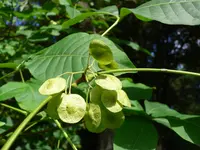
The tree produces thin, round, winged fruits called samaras whose rind contains aromatic oils that smell distinctly citrus-like when crushed, which is why the species is often called wafer ash or hop tree.

Essential oil chemistry

Leaves and fruits contain volatile compounds such as furanocoumarins and limonoids, which give the plant its strong scent and make it distasteful or mildly toxic to many herbivores.

Host for giant swallowtail

In much of eastern North America, this species serves as a native larval host plant for the giant swallowtail butterfly, whose caterpillars feed on the leaves while the tree typically tolerates the damage well.

Botan icon

Did you know?

Early North American settlers sometimes used the bitter, aromatic fruits of this species as a substitute for hops in brewing, which led to the common name hop tree and reflects its long-standing role in local folk practices.

FAQs about wafer ash

This species is generally slow to moderate growing. Young plants often add about 15–30 cm per year, sometimes up to 45 cm in ideal conditions. Growth rate increases with age, good soil, consistent moisture, and full sun exposure.

Grow Healthy Plants with Botan Care

Keep your plants happy and healthy with plant identification, disease detection, and easy care guidance.

Botan plant care app — identify plants on mobile

Explore More Plants