Root-zone mulching
Apply a 5–8 cm layer of coarse organic mulch around the root zone, keeping it 5–10 cm away from the trunk, to stabilize soil moisture and protect the relatively shallow feeder roots from heat and drying winds.

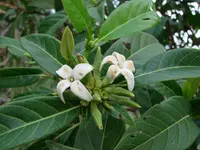
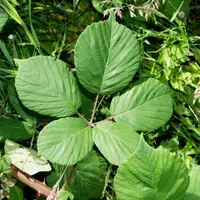
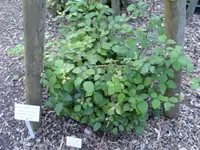
Alibertia edulis is an evergreen shrub or small tree from tropical South America, notably the Amazon region. It belongs to the coffee family, Rubiaceae, and is grown mainly for its edible, yellow to orange fruits. The plant has glossy, medium-green leaves and a naturally bushy to somewhat upright habit, which makes it suitable for orchards and larger gardens in warm climates. Its fruits have a soft, aromatic pulp that is often eaten fresh or used in drinks. In cultivation, it prefers warm temperatures, regular moisture, and well-drained soil, and is generally considered moderate in difficulty. Understanding how to care for Alibertia edulis helps support healthy growth and reliable fruiting in suitable climates.

Care Difficulty
Moderate Care

Light Preference
Full Sun

Water Requirements
Regular Water

Temperature Preference
Tropical / Frost Sensitive

Hardiness Zone
10–12

Soil Texture
Sandy, Loamy, Organic-rich

Soil pH
Acidic (5.5–6.5), Slightly acidic (6.5–7.0)

Soil Drainage
Moist but well-drained

Fertilization
Minimal (feed rarely)
Scan your plant to receive care tips personalized for your specific plant
Available on iOS and Android
This tropical fruit tree prefers bright, warm conditions with some protection from harsh midday sun.
This species prefers evenly moist, well-drained soil that never stays waterlogged for long periods.
This plant grows best in consistently warm, frost-free conditions similar to lowland tropical climates.
This species prefers moderately humid air but usually tolerates typical household levels if not extremely dry.
This species grows best in loose, well-aerated, slightly acidic to neutral soil that drains quickly yet holds some moisture.
This fruiting shrub adapts reasonably well to container growing if the pot is chosen to support its deep, spreading root system.
This species benefits from modest feeding in containers but established in-ground plants of Alibertia edulis often need little added fertilizer in fertile soil.
Pruning is useful mainly for shaping and health, as this shrub or small tree maintains a fairly natural form on its own.
This species is typically grown outdoors in the ground, so transplanting young plants at the right time is more important than frequent repotting.
Multiplication of this species is usually done from seed, with semi-hardwood cuttings used by more experienced growers.
This is a tropical to subtropical species that dislikes frost and needs protection in cooler climates.

Plant Health Check
Not sure what's wrong with your plant? Check your plant's health inside the app.
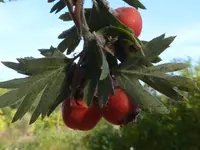
This species produces small yellow to orange berries with a sweet, mucilaginous pulp that are eaten fresh or used in juices and sweets in parts of Brazil and neighboring countries.
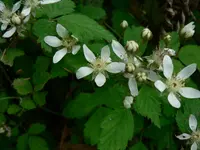
Its white, tubular flowers are rich in nectar and are primarily visited by bees and other insects, which transfer pollen between plants and support fruit set in natural lowland rainforest habitats.
In the wild it is most often found in well-drained, acidic soils of Atlantic and Amazonian forest edges and clearings, where partial light gaps favor its growth and fruit production.

Alibertia edulis belongs to the coffee family Rubiaceae, and like coffee it has opposite leaves and interpetiolar stipules, small leaf-like structures between the leaf stalks that are a characteristic feature of this plant family.
The ripe yellow fruits are edible and commonly eaten fresh or used in juices and desserts. They have a sweet, aromatic pulp with small seeds. Unripe fruits are sour and not typically consumed.
Keep your plants happy and healthy with plant identification, disease detection, and easy care guidance.