Wind-shaped structure
In exposed desert or coastal sites, lightly tip-prune windward branches in late winter to encourage a lower, denser form that is less likely to break in storms.

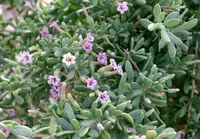
Fremont's desert-thorn (Lycium fremontii) is a spiny, drought-adapted shrub native to arid regions of the southwestern United States and northern Mexico. It often forms dense, twiggy thickets with small leaves and seasonal clusters of tubular flowers.
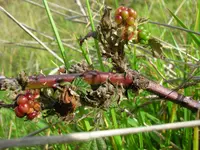
The plant produces red berry-like fruits that attract birds and other wildlife, giving it value in dry habitat gardens. Its deep roots and tough structure make it well suited to hot, dry climates with poor, rocky soils.
For those who want to care for Fremont's desert-thorn, success usually depends on providing strong sun, very well-drained soil, and avoiding excess water, especially in cooler seasons.

Care Difficulty
Easy Care

Light Preference
Full Sun

Water Requirements
Low Water

Temperature Preference
Warm Climate

Hardiness Zone
8–11

Soil Texture
Sandy, Loamy, Rocky

Soil pH
Neutral (7.0), Slightly alkaline (7.0–7.5)

Soil Drainage
Well-drained

Fertilization
Minimal (feed rarely)
Scan your plant to receive care tips personalized for your specific plant
Available on iOS and Android
This desert shrub thrives in strong sun but tolerates some shade in very hot regions.
This species is strongly drought tolerant and prefers deep, infrequent watering once established.
This plant is adapted to hot, arid climates but withstands a reasonable range of outdoor temperatures.
This desert shrub tolerates very low humidity and rarely needs special moisture control.
This species thrives in lean, fast-draining, mineral soils.
This shrub can be grown in containers, but only when the pot strongly favors drainage and root depth.
Lycium fremontii is adapted to lean desert soils and usually needs only light feeding in cultivation.
Pruning Lycium fremontii maintains a manageable shape and supports flowering wood.
Lycium fremontii is more often transplanted outdoors than kept as a long-term container plant.
Lycium fremontii is commonly propagated from semi-hardwood cuttings or seed.
This desert shrub is fairly cold hardy in its suitable zones and needs minimal winter care once established.

Plant Health Check
Not sure what's wrong with your plant? Check your plant's health inside the app.
This species is naturally restricted to arid regions of the Sonoran Desert in the southwestern US and northwestern Mexico, where it is adapted to very hot, dry conditions and alkaline, rocky soils.
Its small, tubular, reddish to purplish flowers appear in late winter to early spring in its native range, providing an important early nectar resource for native bees and other pollinators when few other shrubs are in bloom.
The dense, thorny branching creates secure nesting and perching sites for small birds, which in turn help disperse the bright red berries after eating the fleshy fruit and passing the seeds.

Fremont's desert-thorn is named in honor of John C. Frémont, a 19th-century American explorer and surveyor whose expeditions documented many plants of the arid western United States, and its bright red berries have contributed to the common name “wolfberry” used for several North American Lycium species.
Lack of blooms usually comes from too little light, excessive watering, or overly rich fertilizer that promotes leaves instead of flowers. Mature wood flowers best, so avoid hard pruning every year and allow stems to age.
Keep your plants happy and healthy with plant identification, disease detection, and easy care guidance.