Sprengel's Bramble Care (Rubus sprengelii)

Sprengel's Bramble

About Sprengel's Bramble

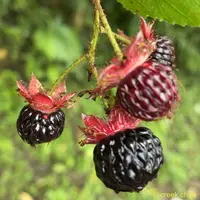
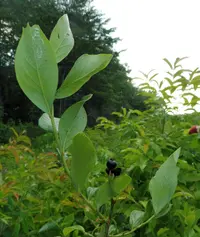
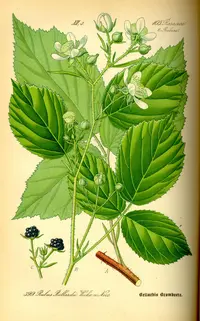
Sprengel's bramble, Rubus sprengelii, is a deciduous shrub in the rose family, related to raspberries and blackberries. It forms arching, often thorny canes with compound leaves. Flowers are typically white to pale pink, followed by small aggregate fruits that resemble blackberries. Stems can create dense thickets if not managed. This species occurs naturally in parts of Europe, especially in woodland edges, hedgerows, and other semi-natural habitats. It is generally robust and cold-hardy, tolerating a range of soils as long as drainage is adequate. Moderate light, from open sun to light shade, and consistent soil moisture make it easier to care for Sprengel's Bramble.

Main Plant Requirements

Care Difficulty

Moderate Care

Light Preference

Partial Sun

Water Requirements

Moderate Water

Temperature Preference

Cool Climate

Hardiness Zone

5–8

Soil Texture

Loamy, Sandy, Organic-rich

Soil pH

Acidic (5.5–6.5), Slightly acidic (6.5–7.0)

Soil Drainage

Moist but well-drained

Fertilization

Minimal (feed rarely)

Get Personalized Care Plan

Scan your plant to receive care tips personalized for your specific plant

Available on iOS and Android

How to Care for the Sprengel's Bramble

This bramble prefers bright, open sites with access to several hours of direct sun each day.

  • Provide 4–6 hours of direct sun, ideally morning sun with light afternoon shade to reduce leaf scorch in hot summers.
  • It tolerates partial shade (2–4 hours sun), but flowering and fruiting of Sprengel's Bramble decline if light stays low through the season.
  • In cooler climates, full sun all day is acceptable; in hotter areas, give filtered light or dappled shade during the strongest midday sun in summer.

This species prefers consistently moist but not waterlogged soil, especially during active growth.

  • Allow the top 3–5 cm of soil to dry slightly between waterings, then water deeply so moisture reaches the root zone.
  • During hot, dry periods, increase watering when leaves start to lose turgor or new growth droops, but avoid standing water or sour-smelling soil, which indicate overwatering.
  • In autumn and winter, reduce watering as growth slows, keeping soil just lightly moist while ensuring good drainage with no compacted, heavy patches around Rubus sprengelii.

This bramble is a hardy outdoor shrub that tolerates a wide temperature range across temperate climates.

  • Optimal growth occurs around 60–77°F (16–25°C), when shoot and root development are most active in spring and early summer.
  • Dormant plants in winter tolerate drops near 5–14°F (-15 to -10°C), but repeated freeze–thaw cycles around the soil line can damage young canes.
  • In hot spells above 86°F (30°C), maintain soil moisture and light mulch to protect roots, as prolonged heat with drought stress can reduce flowering and fruit set in the following season.

This species copes well with typical outdoor humidity and usually does not need special adjustment.

  • Aim for ambient humidity around 40–60% typical of many temperate regions.
  • Plants tolerate short dry spells, but prolonged very dry air with high heat can crisp leaf edges and tender shoots.
  • Increase humidity only during extreme dry spells by mulching the root zone and avoiding hot, reflected surfaces near the canes.

Rubus sprengelii prefers moderately fertile, loose, well-drained mineral soil for reliable growth and fruiting.

  • Use a loamy or sandy-loam soil with 20–30% organic matter such as compost or well-rotted leaf mold for structure and moisture retention.
  • Ensure drainage by avoiding heavy, compacted clay; incorporate coarse sand or fine grit if water lingers for more than 1–2 hours after heavy rain.
  • Target slightly acidic to neutral pH, roughly 6.0–7.0, which supports nutrient availability and healthy root development.
  • Avoid waterlogged sites, thick mulch directly against the crown, or dense peat-heavy mixes that stay wet and limit aeration around roots.

This bramble can be grown in containers outdoors when the pot is chosen and managed carefully for its spreading, suckering habit.

  • Select a deep, heavy container that resists tipping as canes lengthen and that offers at least 30–40 cm of root depth.
  • Use a mineral-based potting mix with added grit or pine bark to keep drainage fast while still holding enough moisture for vigorous cane growth.
  • Position the container where trailing or tying canes is practical so the plant’s weight does not pull the pot over or strain the root ball.

This wild bramble typically needs only light feeding on poor soils, as excessive nutrition can cause rank, thorny growth.

  • Apply a thin layer of compost or well-rotted manure around the root zone in early spring to support new canes.
  • On very poor soils, use a balanced slow-release fertilizer (around 10-10-10) at half strength once in spring.
  • Avoid high-nitrogen lawn fertilizers, which increase lush vegetative growth and reduce flowering and fruiting.
  • Do not feed Rubus sprengelii in late fall or winter, when the plant is dormant.

Pruning helps keep Rubus sprengelii manageable, healthy, and productive.

  • Prune in late winter or very early spring, before buds break, to see cane structure clearly.
  • Remove dead, diseased, damaged, or crossing canes at ground level using clean, sharp bypass pruners.
  • Thin dense clumps by taking out the oldest canes to improve light and air flow through the thicket.
  • Shorten excessively long canes to shape the plant and maintain access, making cuts just above healthy buds.

This bramble is usually grown in the ground, so care focuses on dividing and transplanting clumps rather than repotting containers.

  • Transplant in early spring or early fall when temperatures are mild and soil is moist but not waterlogged.
  • Look for signs such as dense thickets, competition with nearby plants, or poor vigor indicating the stand needs thinning and relocation.
  • Lift sections with a spade, keeping a generous root ball, and replant at the same depth in well-prepared soil.
  • Water thoroughly after transplanting, then keep soil evenly moist for several weeks to reduce root stress and improve establishment.

Rubus sprengelii is commonly multiplied by vegetative methods that use its natural spreading habit.

  • Use tip layering in spring to early summer by pegging cane tips into moist soil until rooted, then severing from the parent.
  • Divide established clumps in early spring, ensuring each division has several healthy canes and a solid root mass.
  • Take semi-ripe stem cuttings in early summer, rooting them in a free-draining mix under high humidity and bright, indirect light.
  • Sow seeds in autumn outdoors or after a cold stratification period to break dormancy and encourage germination.

This bramble is generally cold hardy and needs little winter intervention in most temperate climates.

  • In colder regions, apply a 5–8 cm mulch layer over the root zone after soil cools to buffer freeze–thaw cycles.
  • Leave most canes standing until late winter, as they offer some self-insulation and habitat value.
  • In containers, move plants to a sheltered, unheated area where roots stay above about 20°F to prevent root damage.

Care Tips

Cane training system

Install a simple post-and-wire or T-post system and tie new canes loosely with soft ties so growth stays upright and accessible for pruning and harvest while reducing disease risk from tangled stems.

Mulch corridor management

Create a 60–90 cm wide mulched strip along the row to suppress weeds and keep roots cool, but stop mulch 5–8 cm from the cane bases to reduce stem rot and vole damage.

Tip layering control

Where canes naturally bend and root at the tips, allow only a few well-spaced tip layers to establish each season and promptly cut off unwanted rooted tips to prevent the thicket from becoming unmanageable.

Targeted pest scouting

From spring through late summer, inspect undersides of leaves and young canes every 1–2 weeks for aphids, cane borers, and spider mites, and remove or prune out infested parts early to avoid larger outbreaks when growing Sprengel's Bramble.

Winter cane protection

In colder regions, tie canes into small bundles and, if possible, bend them slightly toward the ground before hard frosts so snow cover and reduced wind exposure limit winter dieback and improve next year’s yield potential.

Common Pests and Diseases

Raspberry beetle

This pest damages flower buds and developing fruits, leading to misshapen, dry, or wormy berries. Symptoms include brown patches and tunneling inside the fruit caused by the larvae feeding before harvest.

Solution

Monitor flower clusters in late spring and shake canes over a white tray to detect adults, then remove and destroy affected buds and small fruits. In home plantings, reduce local breeding sites by clearing wild brambles nearby, encourage insectivorous birds, and use fine mesh netting over plants during flowering to limit egg laying on blossoms.

Raspberry leaf spot

This disease causes small, round, pale spots with dark borders on leaves that can merge, leading to yellowing and early leaf drop. Symptoms include thinning foliage and reduced vigor, especially in dense, shaded bramble thickets.

Solution

Prune and thin canes to improve airflow, remove and dispose of heavily spotted leaves and dead canes, and avoid overhead watering that keeps foliage wet. During dormant season, cut out and destroy old fruiting canes and leaf litter to reduce overwintering spores, and maintain a narrow, well-spaced row of canes to dry quickly after rain.

Raspberry cane blight

This disease attacks wounded canes, producing dark, sunken lesions around pruning cuts or damaged areas that can girdle and kill canes. Symptoms include sudden wilting of side shoots above the lesion and poor fruiting on affected stems.

Solution

Prune only in dry weather, making clean cuts just above buds, and avoid injuring canes during maintenance. Remove and destroy blighted canes back to healthy tissue, disinfect pruning tools between plants, and keep plant density moderate so canes dry rapidly after rain and are less prone to fungal infection.

Spider mites

These insects are tiny sap-feeding arachnids that thrive in hot, dry conditions and cause fine stippling and a dull, bronzed appearance on leaves. Symptoms include delicate webbing on the undersides of leaves and premature leaf drop when populations are high.

Solution

Rinse foliage thoroughly with a strong but gentle water spray, focusing on leaf undersides, and repeat several times per week during outbreaks. Increase local humidity slightly, avoid drought stress, and where practical introduce or conserve natural predators such as lady beetles and predatory mites instead of relying on broad-spectrum sprays.

Raspberry aphids

This pest forms dense colonies on shoot tips and young leaves, sucking sap and causing curling, distortion, and sticky honeydew that can attract sooty mold. These insects can also move virus particles between bramble plants, increasing disease risk in mixed plantings or hedgerows.

Solution

Pinch or prune off heavily infested shoot tips and discard away from plants, then wash remaining colonies off with a firm water spray. Encourage natural enemies like lady beetles and lacewings by minimizing insecticide use, and if populations stay high, use a targeted insecticidal soap or horticultural oil, coating the undersides of leaves while avoiding applications during high heat or direct midday sun.

Interesting Facts

Arching bramble habit

This species forms long, arching canes that often bend over and root where they touch the ground, helping it slowly expand in light gaps and along forest edges.

Small forest fruits

It produces relatively small, reddish to dark berries in loose clusters that are eaten by birds and small mammals, which then disperse the seeds into new forest and scrub habitats.

Eastern North American range

This bramble is native to eastern North America, where it typically occurs in open woods, clearings, and along trails rather than in dense, closed-canopy forest.

FAQs about Sprengel's Bramble

This species spreads by arching canes that root where they touch the ground and by bird-dispersed seed. In suitable conditions it can form dense thickets, so edging, mowing, or root barriers help limit unwanted spread.

Grow Healthy Plants with Botan Care

Keep your plants happy and healthy with plant identification, disease detection, and easy care guidance.

Botan plant care app — identify plants on mobile

Explore More Plants