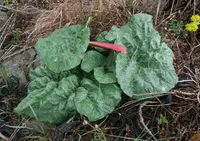
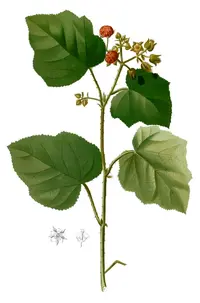
Almond-leaved pear Care (Pyrus spinosa)

Almond-leaved pear

About Almond-leaved pear

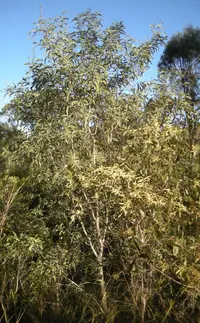
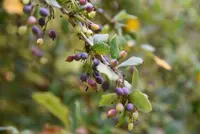
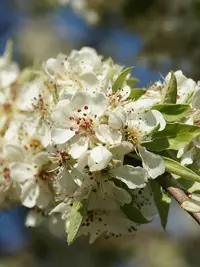
Almond-leaved pear (Pyrus spinosa) is a small, deciduous tree or large shrub from dry, rocky regions of the Mediterranean. It has narrow, almond-like leaves and a somewhat thorny, branching habit. In spring it produces white blossoms, followed by small, hard pear-like fruits.

This species is typically used in hedges, windbreaks, and naturalistic plantings rather than for eating. It is considered tough and drought-tolerant once established, but young plants grow slowly. For those who care for Almond-leaved pear, it generally prefers full sun, well-drained soil, and moderate moisture during its establishment period.

Main Plant Requirements

Care Difficulty

Moderate Care

Light Preference

Full Sun

Water Requirements

Low Water

Temperature Preference

Cold Hardy

Hardiness Zone

6–9

Soil Texture

Sandy, Loamy, Rocky

Soil pH

Slightly acidic (6.5–7.0), Slightly alkaline (7.0–7.5)

Soil Drainage

Well-drained

Fertilization

Minimal (feed rarely)

Get Personalized Care Plan

Scan your plant to receive care tips personalized for your specific plant

Available on iOS and Android

How to Care for the Almond-leaved pear

This Mediterranean shrub or small tree needs abundant direct light to flower and fruit well.

  • Provide full sun for 6–8 hours daily; Almond-leaved pear performs best with open exposure rather than shaded positions.
  • It tolerates light partial shade, especially with morning sun and light afternoon shade in very hot, dry climates to limit leaf scorch.
  • Avoid crowded planting or heavy overstory shade, which leads to sparse growth, fewer blossoms, and increased susceptibility to fungal problems in damp seasons.

This drought-tolerant species prefers deep, infrequent watering once established.

  • In the ground, water when the top 5–8 cm of soil feels dry, applying a slow, deep soak to moisten the root zone rather than frequent light sprinkling.
  • Use well-drained, preferably sandy or loamy soil; standing water or heavy clay that stays wet causes root rot and weak growth in Pyrus spinosa.
  • Reduce watering in fall and winter, and watch for yellowing, soft leaves as a sign of excess moisture or crisp, curling leaves as an indicator of prolonged dryness.

This hardy pear thrives in regions with warm summers and cool to cold winters.

  • Active growth is strongest around 65–80°F (18–27°C), with good tolerance of typical summer heat if soil moisture is not extremely low.
  • Mature trees usually withstand winter lows down to about 5–10°F (-15 to -12°C), especially when fully dormant and planted in open, ventilated sites.
  • Young plants benefit from protection during sudden cold snaps or heat waves above 95°F (35°C), which can damage new shoots and flower buds.

Pyrus spinosa handles a wide humidity range and usually does not need special humidity management outdoors.

Pyrus spinosa prefers dry, stony to sandy, well-structured soil with rapid drainage.

  • Use a lean, sandy or gravelly loam with minimal organic matter to mimic its native rocky habitats.
  • Ensure very sharp drainage by incorporating coarse sand or grit, especially in heavier garden soils.
  • Aim for slightly alkaline to neutral pH around 7.0–8.0, avoiding strongly acidic mixes.
  • Avoid compacted, water-retentive, or poorly drained soil, which promotes root rot and weak growth.

This species can be grown in containers outdoors, but only with careful attention to root space and stability.

  • Select a deep, heavy pot to anchor the tree against wind and support its developing taproot.
  • Fill the container with a gritty, fast-draining mix such as sandy loam blended with coarse gravel or pumice.
  • Position the container where runoff cannot re-enter the pot, preventing chronic moisture around the lower root zone.

Pyrus spinosa usually grows well in average soil and benefits from light, targeted feeding in cultivation.

  • Use a balanced slow-release fertilizer (for example 10-10-10) or well-rotted compost worked into the topsoil in early spring.
  • Apply once per year during the growing season; container-grown Almond-leaved pear may take a second light dose in midsummer.
  • Reduce or stop feeding in late fall and winter while the tree is dormant.
  • Avoid high-strength products; use about half the label rate to prevent excessive, weak growth.

Pruning Pyrus spinosa is mainly structural and sanitary, aimed at maintaining a healthy, open crown.

  • Best time is late winter to very early spring, before new growth and sap flow increase.
  • Remove dead, diseased, rubbing, or storm-damaged branches back to healthy wood using clean, sharp bypass pruners or a pruning saw.
  • Thin crowded interior shoots to improve light penetration and air movement, which supports better flowering and reduces disease risk.
  • Shorten overly long shoots to shape the canopy, keeping a natural form and strong central framework.

This species is usually grown in the ground, so care focuses on transplanting young Pyrus spinosa rather than long-term container repotting.

  • Transplant in late winter or early spring while dormant, choosing a sunny, well-drained site with enough space for mature size.
  • Look for circling roots, root-bound nursery containers, or slow growth as indicators a young tree should leave its pot.
  • Loosen or lightly tease apart outer roots, plant at the same depth as in the container, and water deeply to settle soil.
  • Mulch the root zone and keep soil evenly moist for the first growing season to limit transplant shock and support establishment.

Pyrus spinosa is most often propagated by seed or specialist grafting, so home propagation is possible but moderately technical.

  • Collect ripe seed in fall, clean it, and use cold stratification at about 35–40°F for 2–3 months to trigger germination.
  • Sow stratified seeds in a free-draining, loamy mix, keeping it just moist and cool-bright in late winter to early spring.
  • Semi-hardwood cuttings in midsummer root only under controlled conditions with hormone, bottom heat, and high humidity.
  • Nurseries commonly graft desired forms onto compatible rootstocks; this requires sharp tools, careful alignment, and aftercare to ensure union success.

This hardy species tolerates typical temperate winters and usually needs minimal winter care once established in the ground.

  • Mature trees withstand freezing temperatures, but young plants benefit from extra root-zone insulation in colder regions.
  • Apply a 5–8 cm mulch layer around the base, keeping mulch slightly away from the trunk to avoid rot.
  • For container plants in cold climates, move pots into an unheated garage or against a sheltered wall to moderate freeze-thaw cycles.

Care Tips

Early framework training

In the first 2–3 years, select 3–5 well-spaced main branches and lightly tie them to canes or stakes at a wide angle (45–60°) to build a strong, open framework that resists wind and reduces future breakage.

Wind and slope placement

On windy or sloped sites, plant on the upper or mid-slope rather than the lowest area and use a single sturdy stake for the first 2–3 seasons to minimize wind rock, which damages fine roots and slows establishment.

Calcium and fruit quality

If fruit show signs of corky spots or internal browning, send a soil test and, if deficient, apply a balanced lime product in fall at label rates to improve calcium availability and future fruit quality.

Targeted pest monitoring

From spring to late summer, check young shoots and leaf undersides weekly for pear psylla or aphids, and if populations begin to build, use a strong water spray or a horticultural soap at label rates before resorting to stronger controls.

Trunk and bark protection

In hot, exposed sites, paint the lower trunk with a 1:1 mix of interior white latex paint and water, or use a breathable trunk guard, to reduce sunscald and bark cracking, which are common issues when growing Almond-leaved pear in open positions.

Common Pests and Diseases

Pear psyllid

This pest feeds on young shoots and leaves, causing curling, yellowing, and sticky honeydew that can lead to sooty mold growth.

Solution

Prune out heavily infested shoots, then spray the canopy with a strong jet of water to dislodge nymphs and adults; if pressure remains high, use horticultural oil or insecticidal soap targeted to leaf undersides in early spring before heavy infestation builds.

Pear blister mite

This pest lives inside leaf tissue and causes small raised blisters that turn from light green to brown or rust-colored, sometimes leading to premature leaf drop.

Solution

Remove and destroy heavily affected leaves at the end of the season, and apply a dormant-season horticultural oil to branches and buds to reduce overwintering populations before budbreak.

Fire blight

This disease, caused by the bacterium Erwinia amylovora, leads to blackened, wilted shoots that often bend into a characteristic shepherd’s crook, with leaves that look scorched but remain attached.

Solution

Cut out infected twigs and branches at least 20–30 cm below visible symptoms during dry weather, disinfecting tools between cuts, and avoid heavy nitrogen fertilization or late-summer pruning that encourages soft, susceptible growth.

Pear scab

This disease produces dark, velvety or corky spots on leaves, young twigs, and fruit, which can crack and deform as they enlarge.

Solution

Collect and discard fallen leaves and fruit to reduce spores, improve airflow through careful pruning, and in areas with a known history of scab use a preventative fungicide program starting at budbreak according to local extension recommendations for Pyrus spinosa care instructions.

Pear leaf spot

Symptoms include small dark spots on leaves that may merge into larger blotches, causing yellowing and early leaf drop under severe pressure.

Solution

Rake and remove fallen leaves, keep the canopy open with light structural pruning to improve drying after rain, and if the problem recurs annually consider a labeled fungicide applied in spring when new leaves are expanding.

Interesting Facts

Native Mediterranean thorn

This species is a spiny wild pear native to dry, rocky habitats of the eastern Mediterranean, where its stout thorns help protect young shoots and fruits from browsing animals.

Hybridization with wild pear

Pyrus spinosa can naturally hybridize with other wild pear species such as Pyrus amygdaliformis, contributing to complex pear species groups that make field identification challenging for botanists.

Adapted to poor soils

This tree is well adapted to calcareous and stony soils with low fertility, forming deep root systems that allow it to survive summer drought typical of many coastal and inland Mediterranean sites.

Botan icon

Did you know?

In parts of its native range, the very hard and dense wood of Pyrus spinosa has been valued locally for small turned objects and tool handles, taking advantage of its fine grain and durability despite the tree’s usually modest size.

FAQs about Almond-leaved pear

This species has a moderate growth rate. Young trees add roughly 20–40 cm per year under good conditions. Growth slows as it matures, focusing more on crown development and fruiting than height increase.

Grow Healthy Plants with Botan Care

Keep your plants happy and healthy with plant identification, disease detection, and easy care guidance.

Botan plant care app — identify plants on mobile

Explore More Plants