Jarana Amarela Care (Lecythis poiteaui)

Jarana Amarela

About Jarana Amarela

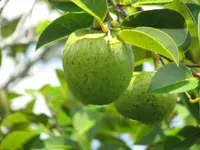
Jarana Amarela (Lecythis poiteaui) is a medium to large evergreen tree from lowland tropical rainforests of northern South America. It belongs to the Brazil nut family and is mainly grown for its hard, woody fruits and ornamental value rather than for home harvests.

The tree has a straight trunk, dense canopy, and showy flowers that develop into large, round pods. It needs warm, humid conditions and plenty of space, so it is better suited to outdoor planting in truly tropical climates than to small gardens.

Gardeners who want to care for Jarana Amarela should know it prefers consistently moist, well-drained soil and high light, and it does not tolerate frost or prolonged drought.

Main Plant Requirements

Care Difficulty

Hard Care

Light Preference

Full Sun

Water Requirements

Regular Water

Temperature Preference

Tropical / Frost Sensitive

Hardiness Zone

11–13

Soil Texture

Loamy, Sandy, Organic-rich

Soil pH

Acidic (5.5–6.5), Slightly acidic (6.5–7.0)

Soil Drainage

Moist but well-drained

Fertilization

Minimal (feed rarely)

Get Personalized Care Plan

Scan your plant to receive care tips personalized for your specific plant

Available on iOS and Android

How to Care for the Jarana Amarela

Lecythis poiteaui grows best in bright, stable light that mimics its native tropical forest edge conditions.

  • Provide 4–6 hours of direct morning sun with light afternoon shade; strong mid‑day sun in hot climates can scorch young leaves.
  • Mature Jarana Amarela trees tolerate light partial shade, but flowering and fruiting are better with at least 6 hours of sun daily.
  • In subtropical areas, give more sun in winter to compensate for shorter days and slightly filtered light during peak summer heat.

Lecythis poiteaui prefers consistently moist but not waterlogged soil.

  • Irrigate when the top 3–5 cm of soil feel slightly dry, letting water soak deeply into the root zone, then drain away fully.
  • Use soil with good structure and drainage; standing water for more than 1–2 hours increases risk of root rot and yellowing foliage.
  • In cooler months, expect slower drying and reduce frequency, watching for dull, folding leaves as a sign of underwatering and soft, black roots as overwatering.

This tropical tree needs warm, frost‑free conditions to grow reliably and remain healthy.

  • Aim for an optimal range of 70–86°F (21–30°C) during active growth, which supports steady leaf and stem development.
  • Protect from cold; growth slows below 60°F (16°C), and damage occurs near 40°F (4°C), with young plants especially sensitive to brief chills.
  • In hot seasons, Lecythis poiteaui tolerates 90–95°F (32–35°C) if soil moisture is stable and the root zone is mulched to reduce heat and evaporation.

This tropical canopy tree prefers moderately high, stable humidity to support healthy foliage.

  • Aim for 50–70% humidity; it tolerates brief dips lower but prolonged very dry air slows growth.
  • Dry, browning leaf tips and edges indicate humidity stress in Jarana Amarela, especially near heating or strong airflow.
  • Increase humidity locally with a wide pebble tray under the pot, grouped plants, or a room humidifier rather than misting leaves.

This species prefers deep, moist, well‑aerated soil that mimics a loose forest substrate.

  • Use a loamy mix with high organic matter, combining roughly 50% composted bark or leaf mold, 30% coarse sand, and 20% perlite.
  • Ensure fast drainage so water moves through in seconds but leaves the root zone evenly damp, not waterlogged or compacted.
  • Keep pH slightly acidic to neutral, around 5.5–7.0, which suits Lecythis poiteaui nutrient uptake and root health.
  • Avoid heavy clay, peat‑only mixes, or salt‑laden soils, and periodically loosen the surface to maintain aeration.

This tree is only moderately suitable for container culture and works best in large, stable outdoor tubs when young.

  • Choose a deep, heavy container to anchor the developing taproot and prevent the tall canopy from tipping in wind.
  • Select thick-walled clay or concrete pots outdoors to moderate temperature swings and reduce rapid moisture loss.
  • Allow extra lateral root space by using a wide container, which helps stabilize the tree’s top-heavy architecture over time.

This species grows slowly and often needs only modest feeding, especially when planted in fertile ground.

  • Use a balanced slow-release fertilizer (for example 10-10-10) or well-rotted compost at the start of the warm growing season for caring for Jarana Amarela.
  • Feed container or nutrient-poor soil trees every 8–12 weeks during active growth only.
  • Apply at 1/2 label strength for young plants to avoid root burn and salt buildup.
  • Stop feeding in late fall and during winter dormancy to prevent weak, frost-sensitive growth.

Lecythis poiteaui benefits from light structural pruning rather than heavy cutting.

  • Carry out main pruning at the end of the dry or cool season, just before active growth resumes.
  • Remove dead, diseased, crossing, or storm-damaged branches to maintain a stable framework.
  • Thin crowded inner branches to improve light penetration and airflow through the canopy.
  • Use clean, sharp bypass pruners or a pruning saw, making smooth cuts just outside the branch collar.

This tree is usually grown in the ground, so transplanting young plants correctly is more important than frequent repotting.

  • Plan transplanting at the start of the rainy or warm growing season to support rapid root establishment.
  • Look for circling roots, stunted growth, or a pot that dries out very fast as signs a container plant needs a larger space.
  • Transplant every 2–3 years when young, shifting to open ground once the root ball is well developed.
  • Reduce root stress by watering deeply before moving, handling the root ball gently, and shading the canopy for 1–2 weeks afterward.

Lecythis poiteaui is mainly propagated from seeds, which can be slow but reliable under warm, moist conditions.

  • Collect fresh, fully mature seeds and sow them as soon as possible for the best viability.
  • Sow in a deep container with free-draining but moisture-retentive mix, keeping the medium evenly moist, not waterlogged.
  • Maintain warm temperatures around 75–85°F and bright, indirect light to support germination and seedling growth.
  • Transplant seedlings carefully once several true leaves form, disturbing roots as little as possible.

This tropical tree lacks frost tolerance and needs protection in regions with cool or cold winters.

  • Maintain temperatures above 50–55°F; prolonged exposure near freezing can injure foliage and young wood.
  • Grow in containers in marginal climates so plants can be moved indoors or to a heated greenhouse for winter.
  • Use 5–8 cm of organic mulch over the root zone in the ground to stabilize soil temperature and conserve moisture.
  • Reduce watering in winter, keeping soil slightly moist but never saturated to avoid root rot in cool conditions.

Care Tips

Establish deep roots

During the first 2–3 years, water more deeply but less often and avoid frequent shallow watering so the tree develops a strong taproot that anchors it and improves drought tolerance.

Mulch the root zone

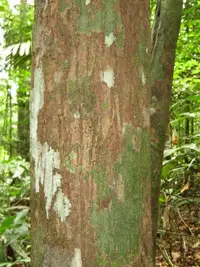
Maintain a 5–8 cm layer of coarse organic mulch over the rooting area, keeping it 5–10 cm away from the trunk, to stabilize soil moisture, reduce heat stress, and protect surface feeder roots.

Protect young trunk

On young trees in hot or exposed sites, wrap the lower trunk with a breathable tree guard or use light-colored trunk paint to reduce sunscald and bark cracking.

Manage wind exposure

In windy locations, use a sturdy stake and soft, flexible ties for the first 1–2 years and plant a low windbreak if possible, since flexible but supported movement helps the tree develop a stronger trunk.

Plan harvest access

Because fruits form high and can be heavy, plan long-term branch structure so main scaffold branches are reachable with a pole harvester and keep an open crown to reduce the risk of falling fruits causing damage when growing Jarana Amarela.

Common Pests and Diseases

leaf-chewing caterpillars

These insects feed on young foliage and developing shoots, leaving irregular holes and ragged leaf edges. Symptoms include rapid defoliation on new growth, especially during warm, humid periods in native and cultivated stands.

Solution

Hand-pick caterpillars when populations are low and prune heavily damaged shoots to encourage new growth. In outdoor or plantation settings, use targeted biological control such as Bacillus thuringiensis (Bt) sprays directed at leaf surfaces in the late afternoon, and maintain understory hygiene to reduce larval shelter sites.

sap-sucking scale

This pest forms small, hard or waxy bumps on stems and leaf petioles, extracting sap and weakening young trees. This pest often produces honeydew that favors sooty mold growth on bark and leaves.

Solution

Gently scrub affected stems with a soft brush and mild soapy water, then rinse well, repeating weekly until populations decline. For larger trees, encourage natural predators such as lady beetles and parasitic wasps, and where needed apply a light horticultural oil during calm, dry weather to smother remaining scales.

cercospora leaf spot

This disease causes small, dark, circular to irregular spots on mature leaves, often with pale centers and yellow halos. Symptoms include progressive spotting and premature leaf drop in humid, shaded conditions, particularly on lower branches.

Solution

Remove and dispose of heavily spotted fallen leaves and thin surrounding vegetation to improve airflow and light penetration. Avoid overhead irrigation, water at soil level, and in plantation or high-value specimens consider a targeted fungicide labeled for Cercospora species, applied according to local regulations and only when cultural measures are insufficient.

anthracnose

This disease produces elongated, sunken, dark lesions along young twigs, petioles, and leaf veins, which can lead to dieback of new shoots. Symptoms include distorted new leaves, tip blight, and twig dieback after extended wet, warm weather.

Solution

Prune and destroy affected twigs and shoots, cutting back into healthy wood and disinfecting tools between cuts. Improve canopy airflow by selective thinning and avoid wetting foliage; in plantations or nursery production, use a registered protective fungicide during high-risk rainy periods if cultural practices do not control spread.

wood-boring beetles

These insects tunnel into trunks and larger branches, creating galleries that weaken the woody structure and can interfere with sap flow. Symptoms include small round exit holes, frass (wood dust) on bark, and localized dieback of branches above the infestations.

Solution

Monitor trunks and main branches regularly and remove and destroy severely infested limbs to interrupt the beetle life cycle. Keep trees vigorous through proper watering and nutrition, avoid bark injury, and when needed use targeted trunk or systemic treatments under guidance from a local arborist or forestry professional, timed to beetle flight periods.

Interesting Facts

Cannonball-like fruits

This species forms large, woody, spherical fruits that resemble small cannonballs and can take many months to mature on the tree before opening to release seeds.

Specialized seed dispersal

The heavy fruits open at the top and expose large seeds that are mainly dispersed by animals, especially rodents, which carry them away and sometimes cache them, allowing new seedlings to establish.

Amazonian canopy tree

It is a tall emergent or canopy tree native to lowland Amazonian forests, where its broad crown and sizable fruits contribute to forest structure and wildlife food resources.

FAQs about Jarana Amarela

In suitable tropical or subtropical climates, this tree can reach 15–25 m, sometimes more in the ground. In managed landscapes it is often kept smaller through pruning, especially in urban or garden settings.

Grow Healthy Plants with Botan Care

Keep your plants happy and healthy with plant identification, disease detection, and easy care guidance.

Botan plant care app — identify plants on mobile

Explore More Plants