Cordilleran Cypress Care (Austrocedrus chilensis)

Also known as: Chilean incense-cedar
Cordilleran Cypress

About Cordilleran Cypress

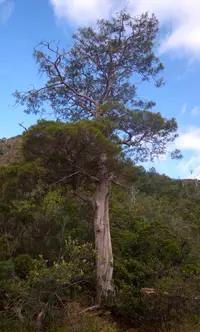
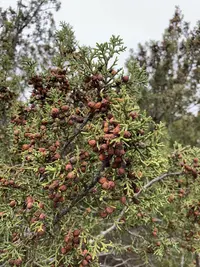
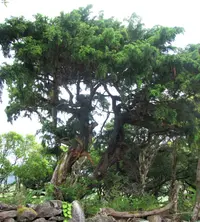
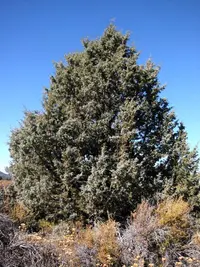
Cordilleran cypress, Austrocedrus chilensis, is a long-lived evergreen conifer forming a narrow, upright tree with fine, scale-like foliage and small cones. Its foliage often appears gray-green to dark green, giving a soft, textured look in the landscape.

This species is native to the Andes of Chile and Argentina, where it grows in cool, often dry, mountainous conditions. It tends to grow slowly and develops a strong central trunk, which makes it suited to structured garden designs.

Cordilleran cypress prefers full sun, well-drained soil, and relatively low to moderate moisture. Once someone understands how to care for Cordilleran Cypress, it can be a durable, low-maintenance tree in suitable climates.

Main Plant Requirements

Care Difficulty

Moderate Care

Light Preference

Full Sun

Water Requirements

Moderate Water

Temperature Preference

Cold Hardy

Hardiness Zone

7–9

Soil Texture

Sandy, Loamy, Rocky

Soil pH

Slightly acidic (6.5–7.0), Neutral (7.0)

Soil Drainage

Well-drained

Fertilization

Minimal (feed rarely)

Get Personalized Care Plan

Scan your plant to receive care tips personalized for your specific plant

Available on iOS and Android

How to Care for the Cordilleran Cypress

This slow-growing conifer prefers bright, cool conditions with consistent sun exposure.

  • Provide 6–8 hours of direct sun daily in cool to mild climates; in hotter regions, aim for morning sun with light afternoon shade.
  • Young Cordilleran cypress plants benefit from some filtered light during the hottest midday hours to reduce leaf scorch risk.
  • In dense shade, growth becomes sparse and open; choose a site with at least 4 hours of direct light, adjusting exposure if foliage yellows or drops on the shaded side.

This species prefers evenly moist but sharply drained soil and does not tolerate standing water.

  • In the ground, allow the top 3–5 cm of soil to dry slightly between deep soakings, then water until the root zone is moist but not saturated.
  • Reduce frequency in cool or rainy seasons; in hot, dry periods, increase watering only when needles start to lose gloss or branch tips feel less supple.
  • Ensure gravelly or sandy, free-draining soil; signs of overwatering include persistent soil wetness, needle yellowing from the inside, and root collar softness in Austrocedrus chilensis.

This Andean conifer is adapted to cool to temperate climates with marked seasonal changes.

  • Optimal growth occurs around 50–70°F (10–21°C), with the best vigor in sites that avoid prolonged summer heat and drying winds.
  • Mature trees tolerate lows near 5°F (−15°C) with brief colder snaps, but young plants benefit from protection from hard, persistent freezes.
  • Heat above 86°F (30°C) is tolerated if soil is cool and moisture is stable; mulch the root zone and avoid reflected heat from pavement or walls in hot summers.

This species is adaptable and humidity is rarely critical, provided air is not extremely dry for long periods.

  • Target 30–50% humidity, similar to typical outdoor and unmodified indoor air in temperate regions.
  • It tolerates short spells of drier air, but prolonged very low humidity can cause browning of needle tips and increased shedding.
  • In heated, very dry rooms, place the pot away from heat sources and use a nearby open tray of water and pebbles to slightly raise local humidity.

Austrocedrus chilensis prefers sharply drained, slightly acidic to neutral, mineral soils that do not stay wet.

  • Use a sandy or gravelly loam with 30–50% coarse material such as horticultural sand, fine gravel, or pumice to ensure fast drainage.
  • Aim for pH 6.0–7.0 and add a small amount of composted bark or leaf mold rather than heavy peat to avoid compaction.
  • Improve aeration by mixing in chunky pine bark or grit so roots receive consistent oxygen and are less prone to rot.
  • Avoid dense clay, waterlogged spots, or mixes dominated by fine peat that stay wet and exclude air around the roots.

This conifer can be grown in containers for many years, but requires careful attention to root space and stability.

  • Choose a tall, relatively deep container to accommodate the developing taproot and keep the plant from becoming easily wind-rocked.
  • Select a heavy, stable pot material such as thick ceramic or concrete to prevent tipping as the crown becomes larger and denser.
  • Raise the container on feet or bricks so drainage holes stay clear and excess water can leave quickly after heavy rain or irrigation.

Austrocedrus chilensis grows slowly and usually needs only light, careful feeding in cultivation.

  • Apply a balanced slow-release NPK fertilizer once in early spring for young or container-grown Cordilleran Cypress.
  • Use a low to moderate rate, at about 1⁄2 the label strength, to avoid excessive, weak growth.
  • Supplement with a thin layer of compost over the root zone instead of repeated granular applications.
  • Stop feeding by late summer and avoid fertilizing during winter dormancy.

Austrocedrus chilensis requires minimal pruning and responds best to light, targeted cuts.

  • Schedule any shaping or corrective work for late winter to very early spring, before active growth.
  • Remove only dead, diseased, or storm-damaged branches using clean, sharp bypass pruners or a pruning saw.
  • Thin congested interior twigs sparingly to improve air flow without exposing inner wood.
  • Limit cuts to small branches to maintain the tree’s natural, narrow form and steady growth.

This species is usually planted in the ground; young container plants benefit from careful transplanting.

  • Transplant in late winter or early spring, when soil is workable and before strong new growth.
  • Look for roots circling the pot, water running straight through, or stalled growth as signs a container plant is pot-bound.
  • Shift into a slightly larger container or planting hole with free-draining, slightly acidic soil, keeping the root flare at soil level.
  • Handle the root ball gently, loosen only light circling roots, water thoroughly, and shade from intense sun for 1–2 weeks to reduce stress.

Austrocedrus chilensis is usually propagated by seed, with cuttings used less often and requiring controlled conditions.

  • Collect ripe cones, extract seeds, and sow in late winter to early spring in a free-draining, slightly acidic mix.
  • Provide cool stratification if seed lots show poor germination, mimicking natural winter conditions.
  • Keep seed trays evenly moist, in bright but indirect light, and protect from temperature extremes.
  • Semi-ripe cuttings taken in late summer root slowly; use rooting hormone, high humidity, and bottom heat for better success.

Established Austrocedrus chilensis trees are fairly cold hardy and usually need little special winter care in suitable climates.

  • In regions with severe freezes, apply 5–8 cm of mulch around the root zone, keeping it away from the trunk.
  • Water thoroughly before the ground freezes if autumn has been dry, supporting evergreen foliage through winter.
  • Move small container plants into a sheltered, unheated but frost-free spot to reduce root freezing risk.

Care Tips

Shelter From Wind

Plant in a spot with natural windbreaks or install temporary shade cloth fencing for the first 2–3 years to reduce desiccation and branch breakage while roots establish.


Mulch For Root Health

Apply a 5–8 cm layer of coarse, uncolored wood chips over the root zone, keeping mulch 5–8 cm away from the trunk, to moderate soil temperature and reduce competition from turf grass.

Controlled Leader Training

Select and loosely stake a single central leader in young trees and remove competing upright shoots during late winter to maintain the species’ natural pyramidal form and structural strength.

Gradual Site Acclimation

If moving from nursery shade to a brighter site, harden off over 2–3 weeks by gradually increasing sun exposure to prevent needle scorch and stress in young plants.

Low-Stress Pest Monitoring

Inspect inner branches and the undersides of foliage every 4–6 weeks for scale insects or spider mites and use a low-pressure water spray or horticultural oil only when needed, as part of caring for Cordilleran Cypress with minimal chemical input.

Common Pests and Diseases

Phytophthora root and collar rot

This disease affects roots and the lower stem, often following waterlogged or compacted soils. Symptoms include progressive yellowing, reduced growth, canopy thinning, and eventual dieback, sometimes with dark, sunken tissue at the root collar.

Solution

Improve drainage, avoid overwatering, and prevent standing water around the base. Remove and destroy severely affected plants, disinfect tools, and in high-value plantings consider using a labeled phosphonate (phosphite) drench as part of broader Austrocedrus chilensis care instructions to slow disease progression.

Cypress aphids

These insects feed on sap from young shoots and foliage, causing localized yellowing, distortion, and sticky honeydew that can promote sooty mold growth. Infestations often concentrate on sheltered inner branches.

Solution

Prune out heavily infested shoots and dispose of them. For remaining colonies, hose down foliage with a strong stream of water, encourage natural predators such as lady beetles, and if needed apply an insecticidal soap or horticultural oil, coating the undersides of shoots thoroughly.

Cypress bark beetles

This pest bores into stressed or weakened trees, creating galleries under the bark that disrupt sap flow. Symptoms include scattered branch dieback, fading foliage, and small exit holes with fine boring dust on the bark or at the base of the plant.

Solution

Maintain tree vigor through proper watering and avoiding mechanical damage, since healthy trees are less attractive to beetles. Promptly remove and destroy heavily infested branches or entire trees to reduce beetle populations, and consult a local arborist about preventive trunk sprays only when there is a documented regional outbreak.

Seiridium canker

This disease causes sunken, resin-soaked cankers on branches and sometimes the main stem, leading to sudden browning of individual twigs or entire branches. Symptoms include oozing resin, cracked bark around cankers, and progressive dieback from affected points.

Solution

Prune out infected branches at least 20–30 cm below visible cankers during dry weather, and disinfect tools between cuts with alcohol or a 10% bleach solution. Reduce drought stress with regular deep watering, avoid wounding the bark, and improve air circulation by spacing trees properly.

Interesting Facts

Andes rain‑shadow specialist

This conifer forms natural forests on the dry eastern slopes of the Andes in Argentina and Chile, where it tolerates low rainfall and strong rain‑shadow winds better than many other native trees.

Narrow hybrid zone

It naturally hybridizes with the closely related Pilgerodendron uviferum, but only in a very limited contact area in southern Chile, making this hybrid zone of interest for studies of conifer evolution and gene flow.

Key habitat for monito del monte

In parts of its range, its forests provide important cover and structural habitat for the monito del monte, a small arboreal marsupial that is considered a living relict of ancient Gondwanan faunas.
Botan icon

Did you know?

This species has suffered severe local declines from the canker disease caused by the fungus Phytophthora austrocedri, first documented in Patagonia and later in the UK, making it a focus of international plant pathology and conservation research.

FAQs about Cordilleran Cypress

Growth is generally slow to moderate. Young plants may add 10–25 cm per year, sometimes less in dry or exposed sites. Growth rate depends strongly on climate, soil depth, moisture availability, and genetic origin of the seed source.

Grow Healthy Plants with Botan Care

Keep your plants happy and healthy with plant identification, disease detection, and easy care guidance.

Botan plant care app — identify plants on mobile

Explore More Plants