Wind exposure management
Site plants where they receive strong air movement but are shielded from constant, drying winds by rocks, low walls, or other shrubs to reduce desiccation of foliage and small roots in very exposed locations.

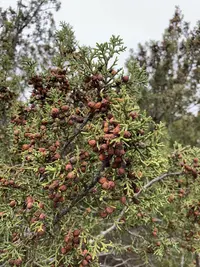
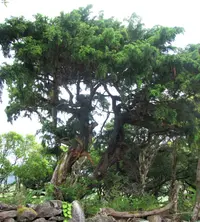
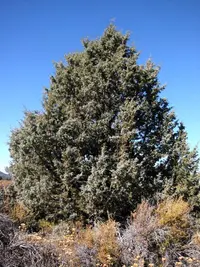
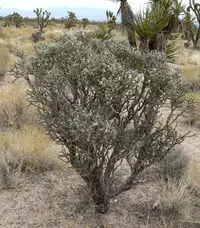
Pinchot's juniper (Juniperus pinchotii) is a hardy evergreen shrub or small tree native to dry regions of Texas, New Mexico, and northern Mexico. It forms dense, rounded clumps with fine, scale-like foliage that ranges from gray-green to blue-green.
This species is well adapted to rocky, poor soils and semi-arid conditions, making it suitable for low-water landscapes and erosion control. Its berries provide food and shelter for wildlife.
Because it tolerates drought, wind, and heat, it is considered relatively easy to grow in suitable climates. Understanding how to care for Pinchot's juniper mainly involves providing full sun, excellent drainage, and avoiding overly rich or wet soil.

Care Difficulty
Easy Care

Light Preference
Full Sun

Water Requirements
Low Water

Temperature Preference
Cold Hardy

Hardiness Zone
6–9

Soil Texture
Sandy, Loamy, Rocky

Soil pH
Slightly acidic (6.5–7.0), Slightly alkaline (7.0–7.5)

Soil Drainage
Well-drained

Fertilization
Minimal (feed rarely)
Scan your plant to receive care tips personalized for your specific plant
Available on iOS and Android
This high-desert shrub thrives in strong sun but benefits from gradual acclimation in exposed sites.
This drought-adapted shrub prefers infrequent, deep watering once established.
This species is well adapted to hot, arid climates and withstands substantial cold once established.
Humidity is rarely a concern for this strongly xeric species.
Juniperus pinchotii prefers lean, fast-draining, mineral soils that do not stay wet.
This shrub can be grown in containers outdoors, but only with careful attention to root conditions and stability.
Native and adapted to poor soils, Pinchot's juniper needs minimal fertilization in landscapes.
Pruning helps maintain structure and remove problem wood on Juniperus pinchotii without disturbing its natural form.
This species is usually grown in the ground, so management focuses on careful transplanting rather than frequent repotting.
Reproduction of Juniperus pinchotii is typically done by semi-hardwood cuttings or seed, though it can be slow.
This juniper is naturally cold hardy in its native range and generally requires little special winter care.

Plant Health Check
Not sure what's wrong with your plant? Check your plant's health inside the app.
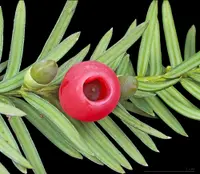
This species produces unusually bright, coppery to orange-red female berry-like cones that are quite different in color from the bluish cones seen in many other junipers, making it easy to distinguish in the field.
Pinchot's juniper commonly grows on gypsum-rich and limestone soils of the southern Great Plains and Edwards Plateau, showing strong tolerance to high mineral content and drought where many woody plants cannot survive.
Its foliage and cones are an important winter food source for pronghorn, deer, and many small mammals and birds in west Texas and neighboring regions, especially when herbaceous forage is scarce.

This juniper often forms dense, almost pure stands called juniper breaks across parts of west Texas and New Mexico, where its ability to withstand intense sun, wind, and shallow rocky soils allows it to dominate landscapes that appear nearly treeless from a distance.
This species is a true evergreen, keeping foliage year-round. Older interior needles or scale leaves may shed gradually, but the plant does not have a bare winter phase like deciduous shrubs or trees.
Keep your plants happy and healthy with plant identification, disease detection, and easy care guidance.