


Insect access setup
Position pots outdoors or in a greenhouse section where small flying insects can reach the foliage, since this species relies on trapped prey and symbiotic assassin bugs rather than fertilizer for nutrition.

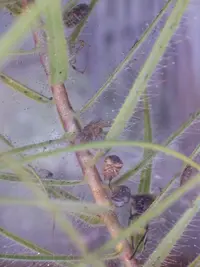
Roridula gorgonias, often called fly bush, is a carnivorous shrub-like plant native to the Western Cape of South Africa. It naturally grows in nutrient-poor, fire-prone fynbos habitats. Its long, narrow leaves are covered in sticky, resin-tipped hairs that trap insects, giving the plant a distinctive, shimmering look. Unlike most carnivorous plants, it relies on symbiotic insects to digest prey. This species can be challenging in cultivation because it needs very bright light, cool to mild conditions, and sharply drained, low-nutrient soil. Understanding how to care for Fly Bush is important before attempting to grow it indoors or in specialized outdoor setups.

Care Difficulty
Hard Care

Light Preference
Full Sun

Water Requirements
Moderate Water

Temperature Preference
Warm Climate

Hardiness Zone
9–11

Soil Texture
Sandy, Rocky, Organic-rich

Soil pH
Strongly acidic (4.5–5.5), Acidic (5.5–6.5)

Soil Drainage
Well-drained

Fertilization
Minimal (feed rarely)
Scan your plant to receive care tips personalized for your specific plant
Available on iOS and Android
This South African carnivorous shrub thrives in bright, open positions with strong sun exposure.
This species prefers consistently moist but not waterlogged soil, similar to a cool, damp heathland.
This shrub favors mild, maritime-style conditions with cool nights and avoids extreme cold or heat.
This South African carnivorous shrub prefers moderately humid air but adapts to many home conditions.
This species needs lean, very free-draining, sandy soil to avoid root rot and mimic native fynbos conditions.
This species can be grown in containers if drainage and stability are carefully managed.
Roridula gorgonias is adapted to very nutrient-poor soils and generally performs best with no conventional fertilization.
Roridula gorgonias needs only minimal pruning, mainly for safety and appearance rather than growth control.
This species dislikes disturbance, so repot or transplant only when clearly necessary to maintain health.
Propagation of Roridula gorgonias is usually done from seed and is considered challenging for most home growers.
In mild-winter climates, this shrub tolerates light frosts but needs protection from prolonged or severe freezing.

Plant Health Check
Not sure what's wrong with your plant? Check your plant's health inside the app.
This species produces extremely sticky resin-tipped leaf hairs that trap insects, but it does not secrete digestive enzymes, so it is not a true carnivorous plant in the strict physiological sense.
In its native South African habitat, trapped insects are eaten by specialized assassin bugs of the genus Pameridea, and the plant then absorbs nitrogen from the bugs’ nutrient-rich droppings on its leaves.
It grows in nutrient-poor, sandy soils of the Cape fynbos, a fire-prone shrubland, and its populations are naturally structured by recurring wildfires that open space and reduce competition.

The resin on this species’ leaves is so water-repellent that raindrops roll off without washing away trapped insects, allowing the plant to keep its sticky traps functional even during wet, windy weather.
Lack of flowering often results from insufficient light intensity, too much root disturbance, or incorrect seasonal cues. This species usually flowers in cooler months after a period of stable, bright outdoor conditions and minimal repotting or pruning.
Keep your plants happy and healthy with plant identification, disease detection, and easy care guidance.

Australian pitcher plant
Cephalotus follicularis
branched pencil cholla
Cylindropuntia ramosissima
Cobra Lily
Darlingtonia californica
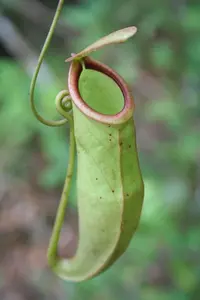
common swamp pitcher-plant
Nepenthes mirabilis
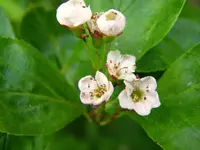
alpine spicywintergreen
Gaultheria humifusa
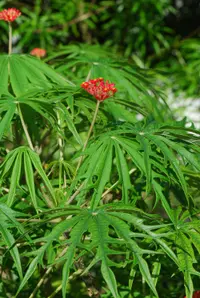
Coralbush
Jatropha multifida

Large-fruited Juniper
Juniperus macrocarpa
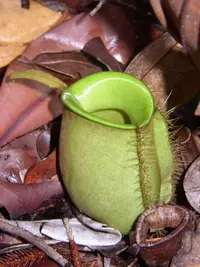
Flask-Shaped Pitcher-Plant
Nepenthes ampullaria