branched pencil cholla Care (Cylindropuntia ramosissima)

Also known as: Diamond Cholla, Pencil Cactus
branched pencil cholla

About branched pencil cholla

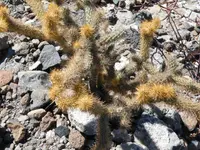
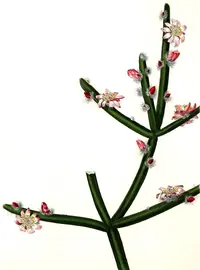
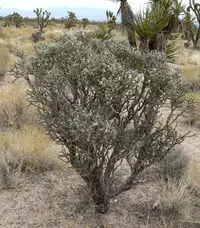
Branched pencil cholla, Cylindropuntia ramosissima, is a desert cactus with many thin, twig-like stems covered in sharp spines. It forms an open, branching shrub that can look almost skeletal when not in flower.

This species is native to arid regions of the southwestern United States and northern Mexico, where it thrives in rocky, well-drained soils and intense sun. It is highly drought-tolerant and slow-growing, which generally makes it low-maintenance once established.

For those learning how to care for branched pencil cholla, the main challenges are providing strong light, avoiding excess moisture, and using a fast-draining, gritty soil mix to prevent root problems.

Main Plant Requirements

Care Difficulty

Easy Care

Light Preference

Full Sun

Water Requirements

Low Water

Temperature Preference

Warm Climate

Hardiness Zone

8–11

Soil Texture

Sandy, Loamy, Rocky

Soil pH

Slightly acidic (6.5–7.0), Slightly alkaline (7.0–7.5)

Soil Drainage

Well-drained

Fertilization

Minimal (feed rarely)

Get Personalized Care Plan

Scan your plant to receive care tips personalized for your specific plant

Available on iOS and Android

How to Care for the branched pencil cholla

This desert cactus thrives in strong, direct sun with long daily exposure.

  • Provide 6–10 hours of full sun daily; open, unshaded sites suit branched pencil cholla best.
  • Allow only light afternoon shade in very hot inland areas to limit sunscald on new segments while still keeping overall high light.
  • In winter, ensure the plant is not shaded by buildings or trees; persistent shade leads to weak, stretched growth and reduced flowering.

This species is highly drought tolerant and must dry thoroughly between waterings.

  • Outdoors in arid climates, rely mostly on natural rainfall; water only after prolonged drought when soil is bone dry to at least 5–10 cm depth.
  • Use very fast-draining, gritty soil; standing water or slow-draining clay greatly increases risk of root rot in Cylindropuntia ramosissima.
  • Signs of overwatering include blackened, mushy pads and collapse, while severe shriveling and wrinkling indicate the plant has stayed dry too long.

This cactus prefers hot, dry conditions but has some tolerance to cold.

  • Optimal growing temperatures are 75–95°F (24–35°C), with strong sun and low humidity promoting firm, compact growth.
  • Mature plants can tolerate brief dips to about 15–20°F (-9 to -6°C) if soil is dry, but repeated hard frosts may scar or kill young segments.
  • In heat waves above 105°F (41°C), dry soil and air movement help prevent stress; avoid overhead watering during cool nights to reduce tissue damage risk.

Humidity is not a major factor for this desert cactus, which thrives in dry air.

  • Target 20–40% humidity, similar to arid indoor air, which suits branched pencil cholla well.
  • Prolonged humidity above 60% increases risk of stem rot and fungal spotting, especially in cool conditions.
  • If air is very humid, increase airflow with a fan and space plants apart so pads dry quickly after watering.

This cactus requires very fast-draining, mineral-based soil to prevent root and stem rot.

  • Use a gritty mix such as 50–60% coarse sand or fine gravel with 40–50% cactus mix for Cylindropuntia ramosissima.
  • Aim for slightly acidic to neutral pH around 6.0–7.0, avoiding strongly acidic or alkaline extremes.
  • Improve aeration and drainage by adding pumice or perlite rather than peat-heavy components that hold water.
  • Avoid compacted, clay-heavy, or moisture-retentive mixes where water lingers around the roots for more than a few hours.

This species is suitable for container growing, especially in regions with wet or cold winters.

  • Choose a heavy terracotta or concrete pot to counterbalance the tall, branching stems and reduce tipping risk.
  • Select a wide, shallow pot that matches the shallow root system, preventing unused wet substrate at the bottom.
  • Raise the pot on feet or mesh stands so drainage holes stay clear and water runs off quickly after each watering.

This desert-adapted branched pencil cholla needs only minimal feeding in containers or poor soils.

  • Use a low-dose, balanced cactus fertilizer (such as 5-5-5) diluted to 25–50% strength for potted plants.
  • Feed once in late spring and again in mid-summer during active growth; skip feeding in rich ground soil.
  • Avoid organic compost or manure, which can hold excess moisture and cause root rot.
  • Stop fertilizing in fall and winter to allow natural dormancy and firm, compact growth.

Pruning Cylindropuntia ramosissima is mainly for safety, shape control, and removing damaged tissue.

  • Best time is late winter to early spring, before strong new growth starts.
  • Remove dead, shriveled, storm-damaged, or crossing segments to reduce disease entry and snagging risk.
  • Thin crowded stems at the base to maintain an open, upright shape and prevent top-heavy plants.
  • Use long-handled loppers or pruners plus thick gloves and tongs; place cut pieces directly into a sturdy container.

This species is usually landscape-grown, so focus on careful transplanting or infrequent container upsizing.

  • Transplant or repot in late spring when soil is warming and the plant is entering active growth.
  • Look for roots circling the pot, slow vigor despite good light, or soil that dries almost instantly as cues to move up 1 pot size.
  • Use a very fast-draining cactus mix; handle the plant with tongs or wrapped newspaper to avoid injury and stem damage.
  • Keep roots barely disturbed, set at the same depth, water once to settle soil, then let the mix dry well before the next watering to limit stress.

Cylinder-like joints of this cactus root well, so vegetative propagation is more common than seed.

  • Take healthy stem cuttings in late spring or early summer, choosing firm, non-shriveled segments.
  • Let cut ends dry and callus for 7–14 days in a shaded, airy place to reduce rot risk.
  • Place callused ends into dry, gritty cactus mix; keep warmth (70–80°F) and bright indirect light until roots form.
  • After rooting, introduce light watering gradually, allowing soil to dry completely between waterings to build strong root systems.

This cactus is fairly cold hardy in dry climates but benefits from simple winter precautions, especially in containers.

  • In-ground plants typically tolerate brief drops near 10–15°F if soil is very well drained.
  • Apply a light gravel or coarse-sand mulch around the root zone to improve drainage, not to retain moisture.
  • Keep container plants on the dry side and move them under a roof or indoors to avoid prolonged freezing rain.
  • Use an unheated, very bright, frost-free space for potted plants, watering only enough to prevent severe shriveling.

Care Tips

Use deep containers

Choose a tall, heavy clay pot with ample depth so the taproot and support roots can anchor firmly, which reduces toppling and wind damage over time.

Gravel top dressing

Apply a 1–2 cm layer of coarse gravel or pumice on the soil surface to keep stem segments dry at the base, discourage rot, and make monitoring of new offsets and weeds easier.

Secure structural support

In windy or high-traffic areas, stake the main stems loosely with soft ties to a sturdy post or rock so the plant can flex slightly without snapping at the joints.

Tongs for handling

Use barbecue tongs or long forceps and thick gloves when repositioning, repotting, or removing segments, which prevents accidental spine injuries and breaking of healthy joints while caring for branched pencil cholla.

Segment propagation hygiene

When taking stem cuttings, use a clean, sharp knife and allow cut ends to callus in a dry, shaded place for 7–14 days before planting to reduce infection and improve establishment of new plants.

Common Pests and Diseases

Cochineal scale

This pest forms white, cottony clusters on pads and stems where it feeds on cactus sap, often leaving purple-red staining when crushed. Symptoms include weakened, shriveling segments and reduced vigor.

Solution

Control light infestations by spraying the stems with a strong jet of water or wiping colonies off with cotton pads dipped in 70% isopropyl alcohol. For larger populations, repeat alcohol or insecticidal soap treatments every 7–10 days and improve sun exposure and air movement to make conditions less favorable for scale.

Cactus longhorn beetle

This pest bores into stems near the base, causing internal feeding damage that leads to yellowing, collapse, and breakage of branches. Symptoms include oozing or chewed tissue and exit holes at the stem base.

Solution

Inspect plants regularly and remove adult beetles by hand at dusk and early morning, destroying any larvae or pupae found in damaged stems. Cut out and discard heavily infested segments, avoid overwatering or excess nitrogen that encourages lush growth attractive to beetles, and keep the planting area free of plant debris where larvae can develop.

Mealybugs

These insects hide in stem joints and under spines, appearing as small white, cottony tufts and excreting sticky honeydew that can attract sooty mold. Symptoms include slowed growth, slight yellowing, and occasional ant activity around the plant.

Solution

Spot-treat colonies with cotton swabs dipped in 70% isopropyl alcohol, and rinse stems with a firm stream of water to dislodge hidden insects. For persistent problems, use insecticidal soap or a neem-oil-based spray in dry, mild weather, making sure stems dry quickly to prevent sunscald.

Bacterial soft rot

This disease causes water-soaked, foul-smelling areas on stems that quickly turn mushy and collapse, often starting where tissue was wounded. Symptoms include dark, wet lesions that spread through internal tissue.

Solution

Remove and discard all affected segments promptly, cutting well into firm, healthy tissue and sterilizing cutting tools between cuts. Improve drainage and keep stems dry by avoiding overhead watering and minimizing injury from tools, pets, or handling, as wounding greatly increases infection risk.

Fusarium stem canker

This disease produces sunken, discolored cankers on stems that may girdle segments, leading to dieback of branches. Symptoms include reddish-brown streaking in internal tissues when stems are cut open.

Solution

Prune out affected stems several inches above visible damage and dispose of them away from the planting area, sterilizing tools with alcohol or a 10% bleach solution between cuts. Provide excellent soil drainage, avoid overwatering, and reduce stress from overcrowding or shading, which improves plant resilience and reduces susceptibility to Fusarium infection.

Interesting Facts

Desert thread morphology

This cholla forms extremely slender, broom-like branches with reduced leaves that fall off quickly, leaving jointed, photosynthetic stems adapted to intense sun and drought in the Mojave and Sonoran deserts.

Specialized pollination visitors

Its pale yellow to greenish flowers attract a specific suite of native desert bees and other insects that navigate the spiny stems to access nectar and pollen, supporting local pollinator networks in very arid habitats.

Jointed stem defense

The plant’s narrow, jointed segments carry barbed spines and a papery sheath that can detach and lodge in animals, discouraging herbivory and sometimes aiding short-distance vegetative dispersal of stem pieces.

Botan icon

Did you know?

This species often forms part of the visually distinctive creosote bush–dominated scrub community, where its sparse, twiggy architecture creates perched perches and shelter for small desert birds and reptiles that use the plant structure without needing dense foliage.

FAQs about branched pencil cholla

Lack of flowering usually comes from insufficient maturity, inadequate light intensity, or stress from cold or excess moisture. Outdoor plants in hot, bright, dry positions bloom more reliably than container or indoor specimens kept cooler or shadier.

Grow Healthy Plants with Botan Care

Keep your plants happy and healthy with plant identification, disease detection, and easy care guidance.

Botan plant care app — identify plants on mobile

Explore More Plants