Pereskiopsis diguetii Care

Pereskiopsis diguetii

About Pereskiopsis diguetii

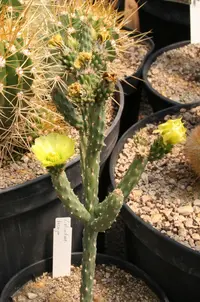
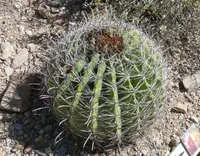
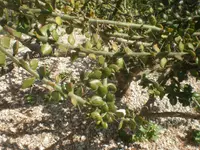
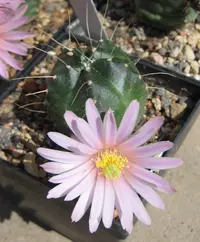
Pereskiopsis diguetii is a shrubby cactus with thin, green, leafy stems and small spines, often used as a vigorous rootstock for grafting other cacti. It grows naturally in arid and semi-arid regions of Mexico, where it forms dense, branching thickets.

This species is fast-growing and relatively forgiving compared with many desert cacti, but its thin stems and leaves mean it needs more consistent moisture and air movement. Good light, a gritty, fast-draining soil mix, and protection from prolonged cold make it easier to care for Pereskiopsis diguetii.

Main Plant Requirements

Care Difficulty

Moderate Care

Light Preference

Full Sun

Water Requirements

Moderate Water

Temperature Preference

Tropical / Frost Sensitive

Hardiness Zone

10–12

Soil Texture

Sandy, Loamy, Organic-rich

Soil pH

Slightly acidic (6.5–7.0), Neutral (7.0)

Soil Drainage

Well-drained

Fertilization

Light (every 4–6 weeks)

Get Personalized Care Plan

Scan your plant to receive care tips personalized for your specific plant

Available on iOS and Android

How to Care for the Pereskiopsis diguetii

This sun-loving cactus shrub thrives with strong, consistent light but needs protection from extremes.

  • Provide 6–8 hours of direct sun daily, ideally with morning sun and light afternoon shade, especially in hot, dry climates where Pereskiopsis diguetii can scorch.
  • In very intense summer sun, use 30–40% shade cloth or plant near high, open shade to reduce leaf burn while maintaining high light levels.
  • In cooler seasons, allow more direct sun by removing shading and avoid dense shade, which causes weak, elongated growth and sparse leaves.

This species prefers thorough but infrequent watering that allows the root zone to dry slightly between soakings.

  • Water only when the top 3–5 cm of soil are dry, then irrigate deeply so excess drains away, avoiding standing water around the roots.
  • During active growth in warm months, expect to water more often, but in cooler or cloudy periods extend the interval to prevent persistent wetness.
  • Watch for signs of stress: yellowing, soft stems, or a sour smell indicate overwatering, while wrinkling or drooping leaves suggest underwatering.

This plant grows best in warm conditions and is highly sensitive to frost.

  • Aim for 70–90°F (21–32°C) during active growth, as sustained warmth supports fast, vigorous shoots and reliable Pereskiopsis diguetii care.
  • Protect from cold; growth slows below 60°F (16°C) and tissue damage occurs near 40°F (4°C), with any frost likely killing young stems.
  • In extreme heat above 95°F (35°C), increase airflow and provide partial afternoon shade to limit stress and prevent sunburn on tender foliage.

This cactus-like shrub prefers relatively dry air and rarely needs special humidity control.

  • Aim for 30–50% humidity, similar to most heated indoor rooms.
  • Dry air is usually tolerated; problems appear only with prolonged humidity above 70% combined with cool temperatures.
  • Excess humidity stress shows as blackened stems and slow rot; improve air movement and keep foliage dry rather than adding moisture.

Pereskiopsis diguetii needs fast-draining, mineral-rich soil that still holds enough moisture for active growth.

  • Use a gritty mix such as 40% cactus potting mix, 40% pumice or perlite, and 20% coarse sand for strong aeration.
  • Aim for slightly acidic to neutral pH around 6.0–7.0 to support nutrient availability and healthy root activity.
  • Increase drainage and oxygen around roots by avoiding fine peat-heavy mixes that stay wet and collapse over time.
  • Avoid compacted or clay-based soil, which traps water around the stem base and greatly increases root and collar rot risk.

This species is well suited to container culture, especially for grafting stock and controlled growth.

  • Choose a deep, narrow pot to accommodate its vigorous taproot while limiting excess surface soil that can stay wet.
  • Select a heavy terracotta or ceramic container to balance the tall, leafy stems and reduce tipping risk outdoors.
  • Keep the drainage holes fully clear and use a coarse, non-organic top dressing to prevent fine particles from sealing the bottom.

This fast-growing cactus benefits from modest, targeted feeding during its active season.

  • Use a balanced liquid cactus fertilizer (around 10-10-10) diluted to 25–50% strength every 2–4 weeks in spring and summer.
  • Ensure soil is already moist before feeding to reduce root burn risk.
  • Skip fertilizer in late fall and winter when growth slows, especially for indoor plants.
  • For long-term containers, a light top-dressing of fine compost in spring can support growing Pereskiopsis diguetii without over-enriching the substrate.

Pruning helps keep Pereskiopsis diguetii compact, manageable, and well-lit.

  • Best time for structural pruning is late spring to early summer, once active growth is clear.
  • Remove dead, shriveled, or damaged pads and stems with clean, sharp pruners or a disinfected knife.
  • Thin crowded or crossing shoots to improve airflow and light penetration through the plant.
  • Shortening overly tall stems encourages branching and produces a sturdier framework for grafting use.

Container-grown plants benefit from occasional repotting to maintain vigorous root health.

  • Check for roots circling the pot, pushing from drainage holes, or unexplained slow growth as cues to repot.
  • Plan repotting for spring, about every 1–2 years for young, fast-growing plants in active use.
  • Step up only 2–5 cm in pot diameter, using a very gritty cactus mix to prevent waterlogging.
  • Gently loosen the root ball, trim rotten roots, keep the root zone slightly dry for a few days after repotting, then resume normal watering.

Pereskiopsis diguetii is commonly propagated from stem cuttings used both as plants and as grafting stock.

  • Take 8–12 cm semi-mature stem cuttings in late spring or summer with a sterile, sharp blade.
  • Allow cut surfaces to callus for 1–3 days in a dry, shaded place before planting.
  • Insert cuttings into a fast-draining cactus mix, keeping warmth (70–80°F) and bright, indirect light.
  • Maintain slightly moist, not wet, substrate until roots form, then transition to a normal cactus watering schedule.

This species is frost-sensitive and needs protection from low winter temperatures in most climates.

  • Keep plants above 40°F, with an ideal winter range around 50–60°F.
  • Move containers indoors or into a greenhouse before the first light frost, providing bright light.
  • Reduce watering sharply in winter, letting the mix dry more deeply to prevent cold-related root rot.
  • In mild climates, outdoor plants benefit from a very gritty, raised bed and coarse mulch to keep the root zone drier.

Care Tips

Use grafting height

Select the straightest 10–15 cm of new growth and graft scions 5–8 cm above the base to keep the stock vigorous while leaving enough leafy tissue below to fuel fast healing.

Rotate for straight growth

Turn the pot 90° every 3–4 days so stems grow upright instead of leaning strongly toward the light, which makes future graft unions more stable and easier to tape.

Pre-hydrate before grafting

Water 24 hours before planned grafting so the plant is turgid, which reduces wilting and improves cambium contact for higher success when caring for Pereskiopsis diguetii.

Manage thorn removal

If spines interfere with handling or grafting, clip them close with small scissors rather than pulling them out, which avoids damaging the areoles and keeps the stem surface intact.

Staggered stem renewal

Every 6–9 months, cut back only a portion of the oldest, woody stems at a time so the plant continuously produces fresh, fast-growing shoots while still maintaining a functional root system.

Common Pests and Diseases

Spider mites

This pest thrives on the tender, leafy stems and undersides of pads, especially in warm, dry propagation setups. Symptoms include fine webbing, tiny pale stippling on leaves, and overall loss of vigor.

Solution

Rinse stems and leaves thoroughly with a strong but controlled stream of water, then increase humidity and airflow to make conditions less favorable. For persistent infestations, apply a horticultural soap or neem oil spray to all plant surfaces and repeat every 5–7 days until no new damage appears, which is a core part of Pereskiopsis diguetii care instructions in dense grafting collections.

Mealybugs

These insects often hide in areoles, leaf axils, and around graft unions where they feed on sap and excrete sticky honeydew. Symptoms include white cottony masses, distorted new growth, and sooty mold developing on the honeydew.

Solution

Isolate the plant, then dab visible mealybugs with cotton swabs dipped in 70% isopropyl alcohol and prune heavily infested leaves or shoots. Follow with a thorough spray of insecticidal soap or neem oil, repeating weekly until no new insects appear, and monitor graft unions closely as they are frequent reinfestation points.

Scale insects

These insects attach firmly to green stems and along woody bases, appearing as small, immobile brown or tan bumps. Symptoms include yellowing leaves, reduced growth, and sticky residue on nearby surfaces.

Solution

Gently scrape or wipe off individual scales with a soft cloth or cotton swab dipped in 70% isopropyl alcohol, taking care not to damage tender shoots. For larger infestations, treat the whole plant with horticultural oil, ensuring full stem coverage, and improve spacing and airflow to reduce reinfestation risk.

Fusarium stem canker

This disease is favored by warm, humid propagation benches and overwatered media, especially where many graft stocks are crowded together. Symptoms include sunken, discolored stem patches, sudden wilting of segments above the lesion, and brown or reddish internal discoloration when the stem is cut.

Solution

Immediately remove and discard infected stems well below the visibly damaged tissue and avoid reusing any suspect cuttings for grafting. Disinfect cutting tools between plants, reduce watering frequency, and improve drainage and airflow; in collections with repeated issues, consider rotating to fresh, sterile substrate and spacing plants further apart.

Bacterial soft rot

This disease enters through cuts, graft wounds, or mechanical damage, leading to rapidly collapsing, water-soaked tissues with a foul odor. Symptoms include translucent, mushy stem sections that quickly spread from the initial injury site.

Solution

Cut away all affected tissue back into firm, healthy, green stem with a sterile blade and discard the rotted material, not composting it. Allow remaining cut surfaces to dry and callus in a warm, airy spot, avoid overhead watering, and maintain strict tool and bench hygiene when handling multiple graft stocks to prevent spread.

Interesting Facts

Leafy cactus lineage

This species belongs to a mostly leafless cactus family but has persistent, fleshy leaves, illustrating an early evolutionary stage in cactus adaptation where photosynthesis still occurs largely in the leaves rather than only in the stems.

High-speed rootstock

Growers frequently use this species as a rootstock for grafting slow-growing cacti because its vigorous, fast-growing root system can dramatically increase scion growth rates under suitable conditions.

Native dry scrub specialist

In its native range in northwestern Mexico, this species grows in seasonally dry scrub and thorny woodland, where it tolerates high light, periodic drought, and rocky, mineral soils with low organic content.

Botan icon

Did you know?

This species produces tiny, glochid-like spines and hairs in its areoles that detach easily and can strongly irritate skin, a defensive adaptation shared with some prickly pears but unusual to see combined with persistent leaves in a cactus.

FAQs about Pereskiopsis diguetii

This species performs best outdoors in warm, frost‑free climates, where it receives strong light and good air movement. Indoors it is possible but more demanding, as light intensity and airflow are usually limiting factors.

Grow Healthy Plants with Botan Care

Keep your plants happy and healthy with plant identification, disease detection, and easy care guidance.

Botan plant care app — identify plants on mobile

Explore More Plants