sawblade Care (Dyckia brevifolia)

sawblade

About sawblade

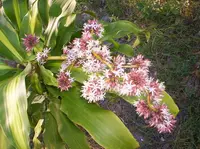
Dyckia brevifolia, commonly called sawblade, is a terrestrial bromeliad with stiff, sharply toothed leaves arranged in tight rosettes. It stays low to the ground and slowly forms clumps over time.

This species comes from rocky riverbanks in southern Brazil, where it handles intense sun, poor soil, and periods of drought. Its tough, spiky foliage and seasonal flower spikes give it a strong architectural look.

The plant’s natural hardiness makes it durable but the sharp leaf margins require careful handling. To care for sawblade successfully, provide bright light, very well-drained soil, and allow the roots to dry slightly between waterings.

Main Plant Requirements

Care Difficulty

Moderate Care

Light Preference

Full Sun

Water Requirements

Low Water

Temperature Preference

Warm Climate

Hardiness Zone

9–11

Soil Texture

Sandy, Loamy, Rocky

Soil pH

Slightly acidic (6.5–7.0), Neutral (7.0)

Soil Drainage

Well-drained

Fertilization

Minimal (feed rarely)

Get Personalized Care Plan

Scan your plant to receive care tips personalized for your specific plant

Available on iOS and Android

How to Care for the sawblade

Dyckia brevifolia thrives in bright, intense light similar to full sun habitats in its native range.

  • Provide 6–8 hours of direct sun daily; morning and late-afternoon sun are ideal, with slight midday shade in very hot, dry regions.
  • Plant in an open, unshaded spot outdoors; it tolerates light partial shade but color and compact form decline in prolonged shade.
  • Watch for bleaching, crispy leaf tips, or scorched patches as signs of excessive sun, and stretched, pale growth as a sign of too little light when caring for sawblade.

This species is drought-tolerant and prefers infrequent but thorough watering.

  • Allow the top 3–5 cm of soil to dry before watering; in hot, dry weather this may mean deep watering every 7–14 days in the ground.
  • Use very fast-draining, gritty soil so water runs through quickly and roots do not sit in soggy conditions.
  • Reduce watering in cool seasons; soft, yellowing, or collapsing leaves signal overwatering, while hard, curling leaves and wide leaf spacing suggest the plant is too dry, especially for Dyckia brevifolia.

This bromeliad handles heat well but dislikes prolonged cold and frost.

  • Aim for 70–90°F (21–32°C) for strong growth during the warm season, especially when light and water are optimal.
  • The plant tolerates brief drops to about 25–28°F (-4 to -2°C) if dry, but repeated freezes damage leaf tissue and crowns.
  • In regions with winters below 30°F (-1°C), provide protection such as overhead cover, gravel mulch, and a very dry root zone, while in extreme heat above 100°F (38°C) offer light midday shade.

This bromeliad tolerates a wide humidity range, so humidity is rarely a limiting factor indoors.

  • Target 30–50% humidity, similar to typical heated or air-conditioned rooms, for stable growth.
  • Sawblade handles dry air well, but extended exposure below 25% may slow growth and cause leaf-tip browning.
  • If tips brown or leaf edges crisp, increase humidity slightly with a nearby pebble tray or grouped plants rather than misting.

Dyckia brevifolia prefers a fast-draining, mineral, rocky-style mix that mimics dry habitats.

  • Use a gritty mix such as 40% cactus potting mix, 30% coarse sand, and 30% pumice or perlite for drainage and aeration.
  • Aim for slightly acidic to neutral pH around 6.0–7.0, avoiding strongly alkaline mixes that may lock out nutrients.
  • Include only a small amount of organic matter like composted bark to prevent the soil from becoming dense and water-retentive.
  • Avoid fine, peaty, or clay-heavy substrates that stay wet and compact, as these promote root rot and weak growth.

This species is well suited to container growing due to its compact, rosette-forming habit.

  • Choose a heavy, low, and wide pot to counterbalance the spiky rosette and prevent tipping in wind or on balconies.
  • Select a container material with faster drying, such as unglazed terracotta, to match the plant’s preference for rapid drainage.
  • Leave a small gap between the rosette and pot rim so stiff leaves do not press and trap moisture against the container edge.

Dyckia brevifolia benefits from light, controlled feeding during active growth, especially in containers.

  • Use a balanced, dilute liquid fertilizer (for example 10-10-10 at 1/4–1/2 strength) or a low-dose slow-release formula suitable for succulents.
  • Feed every 4–6 weeks in spring and summer when growth is active and watering is more frequent.
  • Reduce or stop feeding in fall and winter, as the plant partially rests and excess nutrients can cause weak, elongated growth.
  • In very lean, sandy mixes, a small amount of compost blended into the top layer can support growing sawblade without making the soil heavy.

Pruning Dyckia brevifolia is minimal and focuses on tidying the rosette and maintaining plant health.

  • Best time for pruning is late winter to early spring, before strong new growth begins.
  • Remove dead or damaged leaves at the base with clean, sharp scissors or pruners, cutting close to the rosette without injuring healthy tissue.
  • Thin out crowded outer offsets only when needed to improve air flow and maintain the desired clump size or shape.
  • Wear sturdy gloves and use controlled cuts, as the stiff, spiny leaves can injure hands and are difficult to tear by hand.

Dyckia brevifolia prefers snug pots and infrequent repotting, but benefits from fresh substrate when crowded.

  • Look for roots circling the pot, water running straight through, or slowed growth as signs it needs more space or fresh mix.
  • Plan repotting for late winter or early spring, every 3–4 years, when temperatures are mild and the plant is gearing up for growth.
  • Use a slightly larger pot with excellent drainage and a gritty, mineral-rich mix, then set the root ball at the same depth as before.
  • Gently loosen circling roots, trim any dead ones, water lightly after potting, and keep in bright, indirect light for 7–10 days to limit stress.

Dyckia brevifolia is most commonly propagated by division of offsets, with seeds used mainly by advanced growers.

  • Divide offsets in late spring or early summer when temperatures are warm and the parent plant is actively growing.
  • Lift the clump, then separate pups with a clean, sharp knife, keeping a portion of root attached to each offset where possible.
  • Allow any cut surfaces to dry and callus for 1–2 days, then plant pups in a fast-draining, gritty mix.
  • For seed propagation, sow on the surface of barely moist, well-drained substrate in warm, bright conditions and keep humidity moderate to avoid rot.

Dyckia brevifolia is moderately cold tolerant when kept dry but dislikes prolonged hard freezes, especially in wet soils.

  • In-ground plants handle light frosts if soil drains well, but benefit from a gritty, raised bed that dries quickly in winter.
  • Apply a thin layer of gravel or mineral mulch around the crown to keep the base drier rather than to insulate heavily.
  • Move container plants indoors or into a cool, bright, frost-free space when temperatures are expected to drop below 25°F.
  • Reduce watering significantly in winter, allowing the mix to dry almost completely between light waterings to limit root and crown rot.

Care Tips

Use mineral mulch

Top-dress the pot or bed with a 1–2 cm layer of coarse grit, lava rock, or small pebbles to keep the crown dry, reduce rot risk, and stabilize the rosette in heavy rain or overhead irrigation.

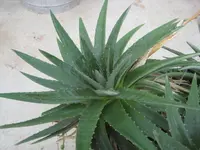
Promote tight rosettes

Give the plant unshaded overhead light and rotate the container a quarter turn every 2–3 weeks so the rosette stays compact and symmetrical instead of leaning toward one side.

Division with airflow

When dividing offsets, trim any damaged roots, space divisions so the leaves do not touch, and keep them in a bright, airy spot for 5–7 days to allow cut surfaces to dry and reduce fungal problems.

Protect from frost heave

In cold-winter climates, plant in raised, fast-draining mounds or rock pockets and use a gritty mulch so repeated freeze–thaw cycles do not lift and expose the shallow roots.

Safe handling routine

Use thick gloves and tongs or a folded towel to grip the base of the rosette during repotting or division so the sharp leaf margins do not cause injury while caring for sawblade.

Common Pests and Diseases

Scale insects

This pest feeds on leaf sap and often hides along the stiff, spiny leaves and rosette base, causing yellowing patches and reduced vigor. Symptoms include sticky honeydew and sooty mold on nearby surfaces.

Solution

Remove heavily infested leaves if practical, then wipe accessible areas with cotton pads dipped in 70% isopropyl alcohol or spray with insecticidal soap, repeating every 7–10 days until clear. Improve light and air movement around the plant and avoid overfertilizing, which encourages soft growth that scale can exploit.

Mealybugs

These insects shelter in tight leaf axils and around the central rosette, appearing as white, cottony masses and weakening the plant by sucking sap. Symptoms include distorted new growth and slow decline despite adequate light and watering.

Solution

Flush the rosette and crevices with a strong stream of water, then spot-treat remaining clusters with alcohol-dipped cotton swabs or a labeled systemic insecticide for succulents when grown outdoors. Inspect regularly and isolate affected plants to prevent spread, especially in sawblade indoor care situations.

Bromeliad rust

This disease produces small yellow to orange spots on leaves that may turn brown and necrotic over time. Symptoms include scattered lesions that reduce photosynthesis and overall plant vigor, especially in crowded or poorly ventilated conditions.

Solution

Remove and discard affected leaves, ensuring tools are cleaned with alcohol after use, and increase spacing and airflow around plants. Avoid frequent overhead watering, keep foliage dry when possible, and apply a copper-based fungicide if the problem progresses on multiple plants.

Fungal leaf spot

This disease causes irregular dark spots or patches on leaves, often starting where water sits on the foliage or debris accumulates. Symptoms include slowly enlarging lesions that may develop a yellow halo or dry, papery centers.

Solution

Trim off and dispose of affected leaf sections, keep the leaf rosettes free of debris, and water early in the day so foliage dries quickly. Improve air circulation and avoid persistent wetness; in severe outdoor cases, use a labeled ornamental fungicide following package directions.

Interesting Facts

Rocky river island specialist

This species is naturally restricted to rocky river islands and banks along the Itajaí-Açu River in southern Brazil, where it endures strong sun, periodic flooding, and fast-draining, mineral-rich substrates.

Spine-protected rosettes

Its tight rosettes form stiff, narrow leaves with prominent hooked marginal spines that help reduce herbivory and also channel water toward the plant’s center during rainfall.

Clumping bromeliad habit

Unlike epiphytic bromeliads, this terrestrial species slowly forms dense, dome-shaped clumps on rock outcrops, allowing many rosettes to share limited anchoring crevices in flood-prone habitats.

Botan icon

Did you know?

Dyckia brevifolia is considered endemic to a very small geographic range in Santa Catarina state, Brazil, and naturally occurs in such localized riverine rock habitats that habitat alteration and hydroelectric projects have raised conservation concerns for its wild populations.

FAQs about sawblade

Flowering is reduced by insufficient light, nutrient-poor or very rich soil, lack of seasonal temperature variation, or an immature rosette. Stable outdoor conditions and a lean, gritty mix usually improve blooming without needing complex Dyckia brevifolia care adjustments.

Grow Healthy Plants with Botan Care

Keep your plants happy and healthy with plant identification, disease detection, and easy care guidance.

Botan plant care app — identify plants on mobile

Explore More Plants