Peace Lily Care (Spathiphyllum 'Domino')

Also known as: Variegated Peace Lily
Peace Lily

About Peace Lily

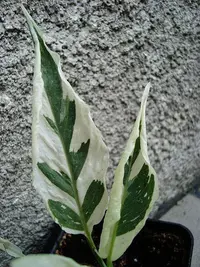
Peace lily Spathiphyllum 'Domino' is a compact, clumping houseplant grown for its glossy, patterned foliage and occasional white flower-like spathes. It is a variegated form, with irregular cream and green marbling that stays attractive even when not in bloom.

This plant comes from tropical understory habitats, so it is adapted to indirect light and stable, warm indoor conditions. It tolerates typical household environments but reacts poorly to extremes in dryness, cold, or direct sun.

Spathiphyllum 'Domino' suits owners who want a forgiving foliage plant, as long as its soil stays lightly moist and the roots are not left waterlogged. Learning how to care for Peace Lily helps maintain steady growth and healthy leaves.

Main Plant Requirements

Care Difficulty

Moderate Care

Light Preference

Bright Indirect Light

Water Requirements

Keep Soil Moist

Temperature Preference

Tropical / Frost Sensitive

Hardiness Zone

11–12

Soil Texture

Loamy, Peaty, Organic-rich

Soil pH

Acidic (5.5–6.5), Slightly acidic (6.5–7.0)

Soil Drainage

Moist but well-drained

Fertilization

Light (every 4–6 weeks)

Get Personalized Care Plan

Scan your plant to receive care tips personalized for your specific plant

Available on iOS and Android

How to Care for the Peace Lily

This variegated Peace Lily prefers bright, gentle light to keep foliage patterned and flowering well.

  • Place Spathiphyllum 'Domino' in bright, indirect light for about 6–8 hours per day, such as near an east- or north-facing window indoors or under light tree shade outdoors.
  • Allow brief early morning sun only; avoid strong midday or afternoon sun, which causes leaf scorch, bleached variegation, and crispy edges.
  • If variegation fades, growth stretches, or blooming declines, move the plant closer to a brighter filtered light source, especially during short winter days.

This plant prefers evenly moist but not saturated soil, with short dry intervals at the surface.

  • Water when the top 2–3 cm of soil feel dry, using enough water that excess drains freely, then empty any saucer to avoid root suffocation.
  • Reduce watering slightly in winter or in low light, as Spathiphyllum 'Domino' grows more slowly and uses less moisture.
  • Watch for drooping, thin leaves and dry soil as signs of underwatering, and yellowing lower leaves, mushy stems, or a sour smell as signs of overwatering or poor drainage.

Stable, warm conditions support steady growth and flowering for this tropical species.

  • Aim for 68–80°F (20–27°C) for best growth, avoiding rapid day–night temperature swings that stress leaves and roots.
  • Protect the plant from temperatures below 55°F (13°C); brief drops to 50°F (10°C) may be survived but can cause leaf damage and slowed growth.
  • In hot weather above 86°F (30°C), increase air movement, shade from harsh sun, and monitor soil moisture, as heat stress and wilting become more likely.

This cultivar prefers moderately high humidity to keep foliage healthy and reduce leaf damage.

  • Aim for 50–70% humidity; it tolerates brief dips lower but prolonged very dry air weakens Peace Lily leaves.
  • Crisp brown tips, edge browning, and drooping despite moist soil often indicate humidity stress rather than underwatering.
  • Increase humidity with a nearby humidifier, grouping plants together, or a wide pebble tray under the pot without submerging the base.

This plant prefers a loose, moisture-retentive but well-draining potting medium.

  • Use a peat- or coco-based houseplant mix enriched with compost to provide organic-rich, slightly springy structure.
  • Ensure fast drainage by blending in 20–30% perlite or pumice so water moves through without leaving the mix waterlogged.
  • Target slightly acidic to neutral pH around 6.0–7.0, which supports nutrient availability and stable leaf color in Spathiphyllum 'Domino'.
  • Avoid heavy garden soil or mixes with a high clay content that compact, suffocate roots, and promote root rot.

This species is very suitable for container growing in homes and offices.

  • Choose a pot only slightly wider than the root system so the mix stays evenly moist instead of remaining wet for long periods.
  • Select a stable, heavier container if foliage becomes tall and arching, preventing the plant from tipping when the soil is moist.
  • Use a container material that slows moisture loss, such as glazed ceramic or plastic, if indoor air is dry and the mix dries rapidly.

Spathiphyllum 'Domino' responds well to light, consistent feeding during the active growing season.

  • Use a balanced liquid fertilizer (for example 10-10-10 or 20-20-20) diluted to 1/4–1/2 strength for Peace Lily indoor care.
  • Apply every 4–6 weeks in spring and summer, always on moist soil to avoid root burn.
  • Stop or reduce feeding to 1 light application in late fall and none in midwinter when growth slows.
  • Alternatively, use a slow-release balanced fertilizer in spring, using about half the label rate for indoor plants.

Pruning Spathiphyllum 'Domino' is mainly about hygiene and maintaining a neat, compact form.

  • Best timing is during active growth in spring or summer so the plant can recover quickly.
  • Remove yellow, brown, or damaged leaves at the base with clean, sharp scissors or pruners.
  • Cut spent flower stalks down at soil level to encourage fresh blooms and tidy appearance.
  • Thin out a few crowded inner leaves if needed to improve light penetration and airflow.

This plant prefers slightly snug conditions but benefits from repotting when clearly rootbound.

  • Check for roots circling the pot, growing through drainage holes, or noticeably slowed growth as signals to repot.
  • Plan to repot every 2–3 years in spring, moving up only 2–5 cm in pot diameter each time.
  • Gently loosen circling roots, trim dead or mushy roots with sterile tools, and settle the plant into fresh, well-draining mix.
  • Water thoroughly after repotting, keep in bright indirect light, and maintain stable warmth to limit transplant stress.

Spathiphyllum 'Domino' is most reliably propagated by division rather than from seed.

  • Divide mature clumps in spring when new growth starts and the plant is already due for repotting.
  • Lift the plant, gently tease apart natural offsets, ensuring each division has several leaves and healthy roots.
  • Plant divisions into small pots with fresh, airy mix, and water to settle the roots.
  • Maintain high humidity, bright indirect light, and 70–80°F temperatures to support quick establishment.

This tropical plant is not frost tolerant and must be treated as an indoor houseplant in cold climates.

  • Keep indoor temperatures around 65–75°F and avoid cold drafts or sudden temperature drops.
  • If grown outdoors in containers in warm seasons, move indoors before temperatures drop below 55°F.
  • Reduce watering slightly in winter, allowing the topsoil to dry a bit more between waterings while avoiding complete dryness.

Care Tips

Rotate For Variegation

Turn the pot 90° every 2–3 weeks so all sides receive similar light, which helps maintain even variegation and prevents one-sided, leaning growth.

Flush To Prevent Salt

Every 2–3 months, slowly run lukewarm water through the pot for several minutes to flush out built-up fertilizer salts that can cause brown leaf tips on this variety.

Use Supportive Cachepot

Place the nursery pot inside a slightly larger decorative cachepot with a few ceramic or plastic spacers at the bottom to keep the grow pot elevated above any drained water.

Inspect Central Crowns

Check the base of each leaf cluster every 2–3 weeks for soft, brown tissue or fungus gnats, and remove any decaying leaves at the crown promptly to reduce rot risk.

Seasonal Light Adjustment

In winter, move the plant 0.5–1 m closer to a bright window and slightly reduce watering frequency, which aligns with lower light and slower growth when caring for Peace Lily indoors.

Common Pests and Diseases

Thrips

This pest feeds by scraping leaf surfaces and sucking out cell contents, often causing silvery streaks, tiny black specks, and distorted new growth.

Solution

Rinse foliage thoroughly with a strong but gentle stream of lukewarm water, remove heavily damaged leaves, then treat both sides of the leaves with an insecticidal soap or neem oil spray every 5–7 days until no new damage appears; isolate the plant from others during treatment and avoid placing it in drafts that stress foliage.

Spider mites

These insects thrive in warm, dry indoor air and cause fine stippling, dull leaves, and sometimes thin webbing along leaf edges and petioles.

Solution

Increase humidity around the plant, shower the foliage to physically remove mites, then apply insecticidal soap or a horticultural oil to all leaf surfaces and repeat weekly for several cycles, ensuring the plant is not in direct sun while treated to prevent leaf burn.

Fungus gnats

This pest is attracted to consistently moist potting mix, and larvae feed on organic matter and fine roots, sometimes leading to yellowing and slowed growth.

Solution

Allow the top 2–3 cm of the mix to dry between waterings, use yellow sticky traps to catch adults, and drench the potting mix with a biological control containing Bacillus thuringiensis israelensis (Bti) according to label directions until populations decline.

Cylindrocladium leaf spot

This disease causes water-soaked spots that turn tan to brown with darker margins, often starting on lower leaves in crowded, humid conditions.

Solution

Remove and discard affected leaves, avoid overhead watering, improve spacing and air movement, and keep leaves dry; in severe or recurring cases, use a copper-based fungicide labeled for ornamental foliage plants, following directions carefully.

Pythium root rot

Symptoms include sudden wilting, yellowing, and collapse of foliage even when the potting mix is wet, with roots turning brown, soft, and easily pulled apart.

Solution

Unpot the plant, trim away all soft, brown roots, and repot into fresh, well-draining mix in a pot with drainage holes; water only when the top layer of mix is partly dry and, for valuable plants, consider a targeted biological or fungicidal drench labeled for Pythium, applied strictly according to instructions when growing Peace Lily in consistently warm, low-light interiors.

Interesting Facts

Stable leaf variegation

The white and cream marbling on this cultivar is genetically stable, so each new leaf tends to show some level of variegation rather than reverting fully to plain green foliage under normal conditions.

More light‑efficient foliage

Compared with many other variegated houseplants, this plant keeps relatively broad, dark green sectors between the pale patches, which helps maintain photosynthesis efficiency so it generally grows more reliably indoors than many heavily variegated forms.

Sport-derived cultivar

This plant originated as a naturally occurring sport, meaning a spontaneous genetic mutation selected and propagated for its distinctive speckled foliage pattern, rather than being produced through deliberate hybridization.

Botan icon

Did you know?

Among peace lilies, this cultivar is considered comparatively uncommon in mainstream mass production, so most plants in circulation still trace back to relatively limited stock maintained by specialty growers and tissue culture labs rather than large-volume bedding plant pipelines.

FAQs about Peace Lily

Lack of blooms usually comes from low light, excess nitrogen fertilizer, or an overly large pot. Slightly brighter indirect light, balanced fertilizer, and a snug container help trigger flowering in this variegated cultivar.

Grow Healthy Plants with Botan Care

Keep your plants happy and healthy with plant identification, disease detection, and easy care guidance.

Botan plant care app — identify plants on mobile

Explore More Plants