balm-scented pelargonium Care (Pelargonium glutinosum)

Also known as: sticky-leaf pelargonium, Balmy Storksbill
balm-scented pelargonium

About balm-scented pelargonium

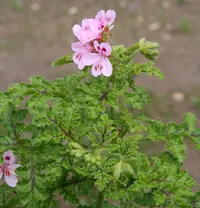
Balm-scented pelargonium, Pelargonium glutinosum, is a shrubby, aromatic geranium relative grown mainly for its scented foliage rather than its flowers. It typically forms a loose, branching plant with soft, sticky leaves that release a warm, balsam-like scent when touched.

This species is native to South Africa, where it grows in sunny, dry habitats with well-drained soils. In gardens and containers, it stays manageable in size and responds well to regular pruning.

The plant is generally easy to grow if it receives good light, moderate watering, and a gritty, free-draining mix. These traits make it suitable for beginners learning how to care for balm-scented pelargonium.

Main Plant Requirements

Care Difficulty

Easy Care

Light Preference

Full Sun

Water Requirements

Low Water

Temperature Preference

Tropical / Frost Sensitive

Hardiness Zone

10–11

Soil Texture

Sandy, Loamy, Organic-rich

Soil pH

Slightly acidic (6.5–7.0), Slightly alkaline (7.0–7.5)

Soil Drainage

Well-drained

Fertilization

Light (every 4–6 weeks)

Get Personalized Care Plan

Scan your plant to receive care tips personalized for your specific plant

Available on iOS and Android

How to Care for the balm-scented pelargonium

Pelargonium glutinosum prefers bright, sustained light to flower and stay compact.

  • Provide 4–6 hours of direct morning to early afternoon sun, with light shade during the hottest mid-afternoon in summer.
  • Tolerates light or open shade for part of the day, but stems become leggy and flowering declines if light drops below about 3–4 sun hours.
  • In very hot climates, use filtered sun or a spot with morning sun and afternoon shade to reduce leaf scorch and stress when caring for balm-scented pelargonium.

This species prefers slightly dry conditions and is sensitive to prolonged wet soil.

  • Water only when the top 3–5 cm of soil feel dry, then water deeply so moisture reaches the root zone and excess drains away.
  • Use sharply draining soil; persistent wetness, sour smell, yellowing leaves, or mushy stems indicate overwatering and risk of root rot.
  • Reduce watering in cool seasons when growth slows, watching for pale, drooping leaves and very dry, pulling soil as signs that Pelargonium glutinosum needs water.

This pelargonium thrives in mild, dry climates with minimal frost exposure.

  • Ideal growing temperatures are 65–80°F (18–27°C) during the day and 55–65°F (13–18°C) at night for steady growth and flowering.
  • Tolerates brief dips to about 32°F (0°C) but foliage can be damaged by frost; prolonged freezing can kill the plant.
  • Handles dry heat up to 90–95°F (32–35°C) if roots are shaded and soil is not waterlogged, but growth slows in extended extreme heat.

This species prefers relatively dry air and usually does not need special humidity management indoors.

  • Aim for 30–50% humidity; avoid placing plants right next to humidifiers or in very damp rooms.
  • It tolerates typical heated-room dryness but may show leaf edge browning or sticky foliage if combined with heat stress.
  • If air is extremely dry and hot, group pots slightly together and move away from direct hot drafts rather than misting.

Use a light, sharply draining mix that mimics sandy, rocky ground for Pelargonium glutinosum.

  • Choose a lean, sandy or loamy mix with plenty of coarse particles so water runs through quickly.
  • Aim for slightly acidic to neutral pH, around 6.0–7.0, avoiding strongly acidic or alkaline conditions.
  • Blend roughly 50–60% peat-free potting mix with 30–40% coarse sand or grit and 10–20% perlite for aeration.
  • Avoid heavy, compacted, or water-retentive mixes and avoid adding large amounts of fine compost that hold too much moisture.

This species grows well in containers when drainage and root space are carefully managed.

  • Select a pot just 2–4 cm wider than the root ball so the mix dries evenly between waterings.
  • Choose a relatively deep, stable container to support woody stems and prevent tipping in wind.
  • Use unglazed terracotta if extra moisture loss is needed, but switch to glazed clay or plastic in very hot, dry climates to reduce rapid drying.

Balanced feeding supports steady growth and foliage fragrance in balm-scented pelargonium without causing soft, weak stems.

  • Use a balanced water-soluble fertilizer (around 10-10-10 or 20-20-20) at 1/2 strength every 2–4 weeks in spring and summer.
  • Alternatively, apply a light layer of compost or a low-rate slow-release fertilizer at the start of the growing season.
  • Allow soil to dry slightly between feedings to avoid salt buildup and root stress.
  • In fall and winter, reduce feeding to monthly at 1/4–1/2 strength, or pause if growth is very slow.

Thoughtful pruning keeps Pelargonium glutinosum compact, leafy, and flowering well.

  • Carry out main pruning in late winter or early spring before strong new growth begins.
  • Remove dead, damaged, or crossing stems and thin crowded centers to improve light and air movement.
  • Shorten long, leggy shoots by 1/3–1/2 to tighten shape and encourage branching with more flowering tips.
  • Use clean, sharp scissors or hand pruners, making cuts just above a node to promote healthy regrowth.

Container-grown plants benefit from occasional repotting to refresh soil and maintain a stable root system.

  • Check for roots circling the pot, emerging from drainage holes, or slowing growth as signs Pelargonium glutinosum needs more space.
  • Plan repotting for early spring, usually every 2–3 years, when active growth is starting.
  • Choose a pot 2–5 cm wider with free-draining mix, gently loosen circling roots, and remove some old soil.
  • Water thoroughly after repotting, then keep in bright, indirect light for about 1 week to limit transplant shock.

New plants are most commonly produced from stem cuttings, which maintain the parent plant’s traits.

  • Take 7–10 cm softwood or semi-ripe cuttings from Pelargonium glutinosum in late spring to late summer.
  • Remove lower leaves, optionally dip the base in rooting hormone, and insert into a sterile, free-draining mix.
  • Provide bright, indirect light, 65–75°F temperatures, and lightly moist—not wet—substrate for rooting.
  • For seeds, use warm conditions, light cover, and even moisture; expect variable seedlings compared with the parent.

This species is frost-sensitive and needs protection in regions with freezing winters.

  • Move container plants indoors or into a frost-free greenhouse before temperatures fall near 32°F.
  • Outdoors in mild climates, add a light mulch around the root zone, keeping it just clear of the stems.
  • Reduce watering in winter, allowing the top soil to dry more between waterings, while maintaining bright light.

Care Tips

Scent-focused pruning

Time light pruning for warm, dry days and bring trimmings indoors, as the bruised foliage releases more fragrance that can be used fresh in arrangements or potpourri.

Frequent stem pinching

Pinch out soft stem tips every 3–4 weeks during active growth to keep plants compact, increase branching, and produce a denser canopy of aromatic leaves.

Pot weight check

Use the weight of the container as a quick indicator of root development and watering needs, lifting the pot regularly to learn the difference between well-watered, root-bound, and freshly watered but still heavy soil.

Cool-season consolidation

In cooler months, group containers of this species together near the brightest window or under grow lights to create a slightly warmer, more stable microclimate that reduces stress and leaf drop.

Preventive pest inspection

Inspect the sticky stems and leaf undersides weekly for aphids and whiteflies, and at the first sign of pests rinse the plant thoroughly and apply a horticultural soap spray as part of systematic Pelargonium glutinosum care.

Common Pests and Diseases

Pelargonium rust

This disease causes small yellow spots on the upper leaf surface with matching brown pustules underneath, leading to premature leaf drop. Symptoms include a patchy, thinning canopy and reduced vigor, especially in warm, humid conditions.

Solution

Remove and discard all affected leaves, then improve air circulation around the plant and avoid wetting the foliage when watering. If rust continues to appear, apply a labeled sulfur or copper-based fungicide, making sure leaves dry quickly after treatment and spacing plants further apart as part of general Pelargonium glutinosum care instructions.

Botrytis blight

This disease produces soft, grayish-brown lesions on leaves, stems, and flowers, often covered with fuzzy gray mold in cool, damp conditions. Symptoms include collapsing stems and rotting flower stalks, especially in crowded or poorly ventilated placements.

Solution

Cut off and discard all infected tissue, then increase airflow, reduce humidity, and keep the plant in brighter, drier conditions. Water at the base in the morning so foliage dries quickly, and if needed, use a labeled botrytis-control fungicide while avoiding overhead watering and overcrowding.

Cottony cushion scale

This pest appears as white, cottony, oval masses on stems and leaf undersides, where it feeds on plant sap and excretes sticky honeydew. Symptoms include yellowing leaves, reduced growth, and possible sooty mold growing on the honeydew.

Solution

Physically remove scales by wiping stems with a cotton pad or soft cloth dipped in 70% isopropyl alcohol, repeating weekly until no new insects appear. For heavier infestations, use a horticultural oil or insecticidal soap, ensuring thorough coverage of stems and leaf undersides while improving airflow and avoiding excessive nitrogen fertilization.

Mealybugs

These insects form white, cotton-like clusters in leaf axils, along stems, and on roots, sucking sap and weakening the plant. Symptoms include distorted new growth, sticky honeydew, and occasional black sooty mold on leaves.

Solution

Dab visible mealybugs with a cotton swab dipped in 70% isopropyl alcohol, then rinse the plant gently with lukewarm water to dislodge remaining insects. For persistent problems, apply insecticidal soap or horticultural oil every 7–10 days, isolating the plant from others and inspecting regularly for re-infestation.

Pelargonium bacterial blight

This disease causes water-soaked spots on leaves that turn brown and dry, often with wedge-shaped lesions extending from the leaf edge toward the center. Symptoms include wilting, black streaks on stems, and rapid decline, especially in warm, wet conditions and when cuttings are propagated from infected stock.

Solution

Promptly remove and discard affected plants or heavily infected stems to reduce spread, and sterilize tools with 70% alcohol or a 10% bleach solution between cuts. Avoid overhead watering, keep foliage dry, use only clean, disease-free cuttings, and do not reuse contaminated pots or soil for new geraniums.

Interesting Facts

Sticky aromatic foliage

The leaves and young stems are covered with glandular hairs that exude a sticky resin, giving the plant its species name glutinosum, meaning sticky, and releasing a strong balsam-like scent when touched.

Natural habitat specialist

This species is native to winter-rainfall regions of the Western Cape in South Africa, where it often grows on rocky slopes and in fynbos vegetation, adapted to dry summers and well-drained, nutrient-poor soils.

Variable leaf shape

Leaf form in this species is quite variable, ranging from broadly ovate to deeply lobed on the same plant, which can make identification challenging compared to more uniform pelargoniums.

FAQs about balm-scented pelargonium

This plant can work indoors if it receives strong light, good air movement, and a fast-draining potting mix. Containers dry out faster, so monitor water more closely than outdoors when considering balm-scented pelargonium indoor care.

Grow Healthy Plants with Botan Care

Keep your plants happy and healthy with plant identification, disease detection, and easy care guidance.

Botan plant care app — identify plants on mobile

Explore More Plants