Heart-leaved Crassula Care (Crassula cordata)

Heart-leaved Crassula

About Heart-leaved Crassula

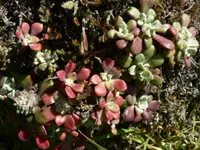
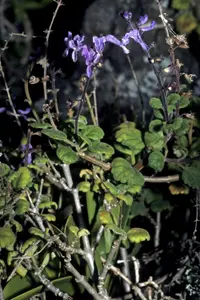
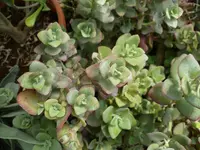
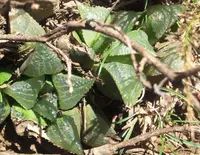
Heart-leaved crassula (Crassula cordata) is a compact, succulent perennial valued for its neat, geometric rosettes and distinctive heart-shaped leaves. The foliage is usually grey-green, sometimes with a slightly powdery or matte surface. Native to dry regions of South Africa and Namibia, it has evolved to store water in its thick leaves and short stems. This makes it naturally suited to indoor containers and small spaces. Crassula cordata is generally considered easy to grow if kept in bright light, with good airflow and fast-draining, gritty soil. Those learning how to care for Heart-leaved Crassula should focus mainly on avoiding excess moisture and prolonged shade.

Main Plant Requirements

Care Difficulty

Easy Care

Light Preference

Partial Sun

Water Requirements

Low Water

Temperature Preference

Tropical / Frost Sensitive

Hardiness Zone

10–11

Soil Texture

Sandy, Loamy, Rocky

Soil pH

Slightly acidic (6.5–7.0), Slightly alkaline (7.0–7.5)

Soil Drainage

Well-drained

Fertilization

Minimal (feed rarely)

Get Personalized Care Plan

Scan your plant to receive care tips personalized for your specific plant

Available on iOS and Android

How to Care for the Heart-leaved Crassula

This compact South African succulent prefers bright conditions with some protection from harsh midday sun.

  • Provide 4–6 hours of direct morning sun or late-afternoon sun, plus bright indirect light for the rest of the day for steady, compact growth.
  • Tolerates light or dappled shade for part of the day, but stems may stretch and leaves lose color if kept below roughly 3–4 hours of direct sun.
  • In hot summers, give Heart-leaved Crassula filtered light or partial shade from about 11 a.m. to 3 p.m. to prevent leaf scorch and pale, stressed foliage.

This succulent stores water in its leaves and needs infrequent, careful watering.

  • Water only when the top 3–5 cm of soil are completely dry, allowing the pot or bed to drain freely so no water sits around the roots.
  • Use a gritty, fast-draining mix; soft, yellowing, or translucent leaves and a sour soil smell indicate overwatering and possible root rot in Crassula cordata.
  • In spring and summer, drying may occur faster; in fall and winter, extend the interval between waterings and watch for wrinkling leaves as a sign of mild underwatering.

This species prefers warm, dry conditions and is sensitive to frost and prolonged cold.

  • Aim for daytime temperatures around 65–80°F (18–27°C) for strongest growth, with slightly cooler nights to mimic its native climate.
  • Protect from frost; growth slows below about 50°F (10°C), and tissue damage is likely if exposed to 32°F (0°C) or lower, especially in wet soil.
  • In hot weather above 90°F (32°C), provide light shade and ensure airflow; avoid placing the plant near reflective surfaces that can create localized heat stress.

This species handles typical indoor humidity but has some limits in very dry air.

  • Aim for 30–50% humidity; it tolerates drier air better than many houseplants due to its succulent leaves.
  • Very dry air may cause leaf edges to brown or wrinkle and new growth to stay small on Heart-leaved Crassula.
  • If air is extremely dry near heaters or vents, move the pot away or place it near other plants to slightly raise humidity.

This succulent needs a very free-draining, airy mix to prevent root rot.

  • Use a gritty, sandy mix such as 50–70% cactus soil blended with coarse perlite, pumice, or horticultural grit for structure.
  • Ensure water drains through in seconds, leaving the mix just lightly moist, never soggy, to protect Crassula cordata roots.
  • A slightly acidic to neutral pH around 6.0–7.0 is suitable and usually achieved with standard cactus or succulent mixes.
  • Avoid peat-heavy, compacted, or dense organic soils; add extra mineral grit if water lingers on the surface or the pot feels heavy for long.

This species is very suitable for container growing.

  • Choose a low, wide pot to accommodate its spreading habit and keep the plant base stable as stems elongate.
  • Use terracotta if extra evaporation is desired, since the porous walls help the mix dry faster between waterings.
  • Select a container that stays steady when the top growth leans to one side, especially in bright positions that cause directional growth.

Crassula cordata benefits from light, controlled feeding during active growth in spring and summer.

  • Use a balanced liquid fertilizer (for example 10-10-10) diluted to 1/4–1/2 strength for Heart-leaved Crassula.
  • Feed every 4–6 weeks in the growing season, always on slightly moist soil to avoid root burn.
  • Skip compost-heavy mixes; choose a low-organic, cactus or succulent product or a mild slow-release formula.
  • Stop feeding in fall and winter, when growth slows, to prevent soft, weak tissues.

Pruning Crassula cordata is mainly used to maintain a compact, well-branched shape.

  • Best time is late winter to early spring, just before active growth resumes.
  • Use clean, sharp scissors or snips to remove dead, damaged, or leggy stems at the base.
  • Shorten overly long shoots above a node to encourage branching and denser foliage.
  • Pinch soft tips occasionally during the growing season to control height and reduce flopping.

This compact succulent prefers slightly snug pots and infrequent repotting to stay stable and healthy.

  • Repot every 2–3 years in spring when roots circle the pot, emerge from drainage holes, or growth slows.
  • Choose a container 2–3 cm wider with excellent drainage and a gritty cactus or succulent mix.
  • Water lightly 2–3 days before moving the plant to reduce root stress and soil crumbling.
  • After repotting, firm soil gently, keep in bright shade for 5–7 days, and water sparingly until growth resumes.

Crassula cordata is commonly multiplied from stem or leaf cuttings taken in the active growing season.

  • Take 5–8 cm stem cuttings or firm leaves in late spring to summer, choosing healthy, non-flowering shoots.
  • Allow cut surfaces to dry and callus for 1–2 days to lower the risk of rot.
  • Set cuttings on or just into a dry, gritty cactus mix and provide bright, indirect light.
  • Mist or lightly water only when the mix is almost dry; expect roots in 2–4 weeks under warm conditions.

This succulent dislikes frost and needs simple indoor protection in cold-winter climates.

  • Move outdoor containers indoors before temperatures drop near 40°F, providing bright, cool light.
  • Keep soil nearly dry in winter, watering lightly only when the mix is fully dry to the bottom.
  • Avoid cold drafts and contact with cold glass to prevent leaf scarring or stem damage.

Care Tips

Rotate For Symmetry

Turn the pot 90° every 2–3 weeks so new rosettes receive even light and the plant forms a balanced, compact mound instead of stretching to one side.

Use Top Dressing

Add a thin layer of decorative gravel or pumice on the soil surface to keep leaves from resting on damp mix, which lowers the risk of rot and fungus gnats.

Segment Older Clumps

Every 2–3 years, gently break the plant into several firm rosette clusters and replant them separately to refresh growth and prevent overcrowded, woody centers.

Dry Rest In Winter

In winter, give the plant a slightly cooler and drier rest by extending intervals between waterings and avoiding repotting, which supports stronger growth in spring when growing Heart-leaved Crassula.

Targeted Pest Checks

Inspect leaf bases and the undersides with a hand lens every few weeks and spot-treat early mealybug or scale infestations with a cotton swab dipped in 70% isopropyl alcohol before they spread.

Common Pests and Diseases

Mealybugs

This pest appears as small white cottony clusters in leaf axils and along stems, often causing slowed growth and slight leaf deformity. Symptoms include sticky honeydew on leaves and surfaces nearby.

Solution

Isolate the plant, then dab visible insects with cotton swabs dipped in 70% isopropyl alcohol and gently wipe affected areas. Improve light and air movement, and repeat alcohol or insecticidal soap treatments weekly until no new mealybugs appear.

Soft scale

These insects look like small, tan to brown bumps attached firmly to stems and leaf undersides and may cause yellowing and leaf drop. This pest also produces honeydew that can lead to sooty mold on surfaces of this succulent.

Solution

Manually remove scales by gently scraping with a fingernail or soft brush, then wipe stems with a cloth lightly moistened with 70% isopropyl alcohol. Follow with 2–3 applications of insecticidal soap or a light horticultural oil at 7–10 day intervals, ensuring the plant receives bright light and is not overwatered during recovery.

Aphids

These insects cluster on young stems and leaf tips, sucking sap and causing distorted new growth and sticky residue. This pest is more common on plants grown in softer indoor light or after heavy nitrogen fertilization.

Solution

Rinse the plant gently but thoroughly under lukewarm running water to remove colonies, shielding the soil surface if needed. After rinsing, treat new flushes with insecticidal soap and reduce excess fertilization to discourage future outbreaks while maintaining bright light to keep growth compact and less attractive to aphids.

Edema

Symptoms include small raised blisters or corky patches on leaves when roots absorb more water than the plant can transpire, which is common in succulents under cool, wet conditions. This disorder is physiological, not infectious, but can permanently mark older leaves.

Solution

Allow the soil to dry fully between waterings, especially in cool or low-light conditions, and ensure the pot has free drainage and a very gritty mix. Increase light and air movement around the plant and remove only the most damaged leaves, as new growth usually emerges unmarked when watering is adjusted.

Sun scorch

Symptoms include pale, bleached, or brown patches on the upper leaf surfaces after sudden exposure to strong direct sun, especially when a plant has been grown in soft indoor light. This damage is usually permanent on affected leaves but does not spread once light levels are stabilized.

Solution

Move the plant to a bright position with filtered light and gradually reintroduce more direct sun over 7–14 days if desired, starting with early morning exposure. Remove only the worst-damaged leaves once new growth appears healthy, and avoid watering onto sunlit leaves to prevent additional stress when growing Heart-leaved Crassula.

Interesting Facts

Miniature cliff specialist

This species naturally grows in rock crevices and on cliffs in the Western Cape of South Africa, anchoring its roots in very shallow, gritty pockets of soil. Its compact rosettes and creeping stems help it withstand strong sun and wind in these exposed habitats.

Seasonal leaf strategy

The small heart-shaped leaves can become more compact and sometimes develop reddish tones in strong light and drier conditions, a response that helps reduce water loss. In slightly shadier or milder conditions the foliage often stays greener and a bit thinner.

Subtle cluster flowering

It produces small, star-like white to pale pink flowers held in short clusters above the foliage, usually in the cooler season in its native range. These modest inflorescences attract small pollinating insects in habitat, despite often going unnoticed in cultivation.

FAQs about Heart-leaved Crassula

This species adapts well to both. In mild, frost-free climates it can live outdoors year-round. In colder regions it performs better as a container houseplant, provided it receives bright light and avoids prolonged cold or excess rain.

Grow Healthy Plants with Botan Care

Keep your plants happy and healthy with plant identification, disease detection, and easy care guidance.

Botan plant care app — identify plants on mobile

Explore More Plants