Gariep aloe Care (Aloe gariepensis)

Also known as: Orange River aloe, Gariep Speckled Aloe
Gariep aloe

About Gariep aloe

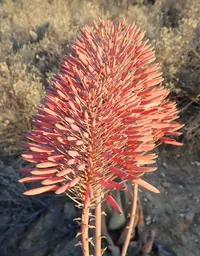
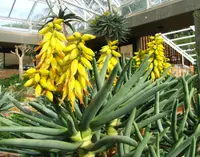
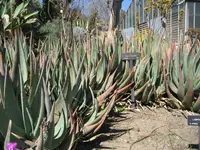
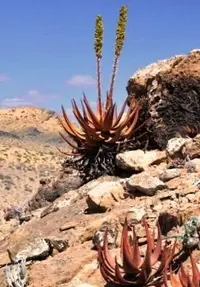
Gariep aloe, Aloe gariepensis, is a slow-growing succulent shrub native to the dry rocky regions along the lower Orange (Gariep) River in South Africa and Namibia. It forms dense clumps of upright, tapering leaves with spines along the edges and often develops tall, branched flower stalks with orange to red blooms.

This species stores water in its leaves and tolerates heat, sun, and drought, which makes it relatively low maintenance in suitable conditions. It prefers bright light, very well-drained gritty soil, and careful, infrequent watering. Understanding how to care for Gariep aloe mainly involves avoiding excess moisture and prolonged cold.

Main Plant Requirements

Care Difficulty

Easy Care

Light Preference

Full Sun

Water Requirements

Low Water

Temperature Preference

Warm Climate

Hardiness Zone

9–11

Soil Texture

Sandy, Loamy, Rocky

Soil pH

Slightly acidic (6.5–7.0), Neutral (7.0)

Soil Drainage

Well-drained

Fertilization

Minimal (feed rarely)

Get Personalized Care Plan

Scan your plant to receive care tips personalized for your specific plant

Available on iOS and Android

How to Care for the Gariep aloe

This arid-region succulent needs strong light to stay compact and well colored.

  • Provide 6–8 hours of direct sun outdoors, ideally with morning sun and light afternoon shade in very hot, dry climates for Gariep aloe.
  • In cooler coastal or mild areas, full sun most of the day is suitable, but increase exposure gradually to prevent leaf scorch.
  • If grown where only partial shade is available, choose the brightest spot; leggy growth and dull green leaves signal insufficient light.

This drought-adapted species prefers thorough but infrequent watering in fast-draining soil.

  • Water only when the top 3–5 cm of soil are completely dry, then soak deeply so water drains quickly from the root zone.
  • Reduce watering sharply in cool seasons, especially winter, allowing soil to dry almost fully; in hot active growth, slight wrinkling of leaves signals time to water Aloe gariepensis.
  • Watch for soft, yellowing, or translucent leaves as signs of overwatering, and adjust by improving drainage and lengthening drying intervals.

This succulent thrives in warm, dry conditions and dislikes prolonged cold or frost.

  • Aim for 70–85°F (21–29°C) during active growth, with plenty of air movement and low to moderate humidity.
  • Short dips to 28–32°F (-2–0°C) may be tolerated when soil is dry, but repeated or hard frosts can scar or kill tissues.
  • In hot regions above 95°F (35°C), provide light afternoon shade and avoid reflected heat from walls or stone to prevent leaf stress.

This species is adapted to arid climates and usually thrives in 30–50% household humidity.

  • Tolerates very dry air well, so no special humidification is needed in most homes.
  • Watch for soft, pale, water-soaked leaves as a sign of excess humidity combined with poor air movement.
  • Ensure light air circulation and avoid placing Gariep aloe in enclosed, constantly damp spaces to prevent fungal issues.

This succulent needs a very fast-draining, mineral-rich substrate to prevent root and stem rot.

  • Use a gritty mix such as 50–70% inorganic material (coarse sand, pumice, or perlite) blended with 30–50% lean cactus potting mix.
  • Aim for slightly acidic to neutral pH around 6.0–7.0, avoiding strongly acidic or alkaline substrates that can limit nutrient uptake.
  • Add extra coarse particles (4–8 mm) to improve aeration so water moves quickly through the root zone and does not pool.
  • Avoid dense, peat-heavy, or clay-based mixes that stay wet for more than 1 day, as Aloe gariepensis is highly sensitive to waterlogging.

This aloe is well suited to container culture when the pot is chosen to support its deep, spreading roots and heavy rosettes.

  • Select a wide, relatively heavy pot so the rosette mass does not tip the container in strong wind or when the soil is dry.
  • Choose unglazed terracotta if extra evaporation is needed, as the porous walls help the mix dry between infrequent waterings.
  • Leave a clear gap between soil surface and rim to keep water from flooding the crown when watering from above, promoting quick runoff.

This drought-adapted succulent needs only light feeding to support container growth and flowering.

  • Use a low-strength balanced liquid fertilizer (around 10-10-10 or 20-20-20) diluted to 25–50% in spring and summer.
  • Feed Aloe gariepensis every 4–6 weeks only when actively growing in bright light.
  • Skip fertilizing in winter or dormancy to prevent soft, weak growth and root issues.
  • Avoid heavy organic compost or frequent feeding, which can cause rot in the roots and crown.

Pruning Aloe gariepensis focuses on hygiene and maintaining a neat rosette form rather than shaping.

  • Best time is late winter to early spring, before strong new growth starts.
  • Remove dead, yellowed, or damaged leaves at the base with clean, sharp scissors or pruners.
  • Thin out severely crowded, crossing leaves only if they trap moisture or debris.
  • Discard any diseased material and disinfect tools to reduce the spread of fungal or bacterial problems.

Container-grown plants benefit from occasional repotting to refresh soil and manage root crowding.

  • Plan to repot every 3–4 years or when roots circle the pot, growth slows, or water drains poorly.
  • Best timing is late winter to early spring, just before the main growing season for Aloe gariepensis.
  • Gently loosen the root ball, remove old compacted mix, and replant in a slightly larger pot with gritty, fast-draining soil.
  • Allow roots to recover by keeping the plant lightly shaded and watering sparingly for 7–10 days after repotting.

This species is commonly propagated by offsets and seeds to expand clumps or conserve wild forms.

  • Detach offsets in late spring or early summer once they have several leaves and firm roots.
  • Let any cut surfaces dry and callus for 2–3 days before planting in a sterile, gritty mix.
  • Keep the medium barely moist, with bright indirect light and 70–80°F temperatures, until roots establish.
  • For seed, sow on the surface of fast-draining mix, provide light, and maintain gentle warmth and even, light moisture.

Cold sensitivity means winter care is important in regions with frost or freezing temperatures.

  • Aloe gariepensis tolerates brief light frost but is safer above 25–30°F, especially in containers.
  • Move potted plants indoors or under cover before hard frost and place in the brightest available spot.
  • Water very sparingly in winter, letting soil dry fully to reduce rot risk in cool conditions.
  • In the ground, use a gravel mulch around the base to keep the crown dry and limit freeze–thaw stress.

Care Tips

Deep container choice

Use a heavy, deep pot with wide drainage holes so the long taproot can develop fully and the plant does not tip over as the rosette becomes large and top-heavy.

Sun acclimation routine

When moving the plant outdoors or to a brighter spot, increase direct sun by about 1 hour every few days to prevent sunburn on the thick leaves while still building strong, compact growth.

Winter dryness strategy

In regions with cool, wet winters, shelter the plant under a clear roof or eave and keep the pot slightly tilted so excess rain runs off and the crown stays dry.

Gravel collar mulching

Place a 1–2 cm collar of coarse gravel around the neck of the plant to keep leaf bases dry, reduce crown rot risk, and reflect light back into the lower leaves.

Targeted pest checks

Inspect the leaf bases and lower leaf surfaces monthly for mealybugs or scale, and if pests are found, isolate the plant and treat only the affected areas with a cotton swab dipped in isopropyl alcohol to avoid stressing healthy tissue while caring for Gariep aloe.

Common Pests and Diseases

Aloe mite

This pest causes abnormal, warty, or coral-like growths on leaves and inflorescences, especially on stressed plants in hot, dry areas. Symptoms include distorted rosettes, rough masses on leaf edges, and sometimes reddish or brownish galls.

Solution

Remove and discard all affected leaves or rosette sections well below the distorted tissue, sterilizing tools between cuts with alcohol. Keep the plant drier in cool seasons, avoid overhead watering, and if the problem persists, isolate the plant and use a miticide specifically labeled for eriophyid mites, following local regulations and label directions.

Aloe rust

This disease produces small yellow spots on leaves that turn into sunken dark brown to black pustules, often in rows. Symptoms include weakened leaves that may yellow prematurely and dry from the tips in humid or poorly ventilated conditions.

Solution

Remove and discard affected leaves to reduce spore spread, then improve airflow and keep foliage dry by watering only at the base. In persistent or severe cases, apply a sulfur-based or copper-based fungicide labeled for rust on succulents, making sure the plant dries quickly after treatment.

Aphids

These insects cluster on young leaf bases, flower stalks, and buds, sucking sap and excreting sticky honeydew. This pest can cause curling or distortion of new growth and may attract sooty mold on the honeydew in greenhouse or indoor conditions.

Solution

Rinse colonies off with a firm stream of water and pinch off heavily infested flower stalks if needed. For ongoing infestations, use insecticidal soap or a light horticultural oil, coating all leaf bases and crevices, and repeat at 5–7 day intervals until no new aphids appear.

Scale insects

These insects appear as small, rounded or oval, brown to gray bumps on leaves and stems, often along the lower leaf surfaces and at the leaf base. This pest weakens the plant by feeding on sap and may cause dull, yellowing leaves and reduced growth over time.

Solution

Gently scrape or wipe off individual scales with a cotton swab dipped in alcohol, then wash the plant with lukewarm water to remove residue. For larger infestations, apply horticultural oil or insecticidal soap thoroughly to all leaf surfaces and repeat treatments over several weeks to target newly hatched crawlers.

Bacterial soft rot

This disease leads to water-soaked, mushy, foul-smelling tissue starting at leaf bases or damaged areas, often after mechanical injury or excessive moisture. Symptoms include rapid collapse of affected leaves and a slimy texture that spreads quickly in warm, wet conditions.

Solution

Cut away all soft, discolored tissue back to firm healthy material using sterile tools, and allow the plant to dry in a warm, airy place, withholding water until all cut surfaces callus. Disinfect containers, remove any rotted roots or debris, repot in a very fast-draining gritty mix, and avoid water collecting in leaf bases to support long-term Aloe gariepensis care instructions.

Interesting Facts

Rocky desert specialist

This species naturally occurs on arid rocky slopes and gravelly flats along the lower Orange (Gariep) River in South Africa and Namibia, often forming dense stands on extremely shallow, mineral-rich soils where many other plants cannot survive.

Unusual leaf markings

Mature plants often develop distinctive H-shaped or irregular pale markings on their leaves, a feature used by botanists to distinguish them from similar aloes in the same region.

Seasonal flowering strategy

It typically flowers in late winter to early spring in its native range, producing tall branched inflorescences with orange to red tubular flowers that provide important nectar resources for local sunbirds at a time when few other plants are in bloom.

Botan icon

Did you know?

Aloe gariepensis is considered closely allied to Aloe claviflora and a few other riverine aloes, and natural hybrids have been recorded where their ranges overlap, making it an instructive example for botanists studying speciation and genetic exchange in arid-adapted succulents.

FAQs about Gariep aloe

Lack of flowers usually comes from insufficient light, a plant that is still immature, or stress from cold or irregular watering. Stable, bright outdoor conditions and avoiding heavy feeding encourage flowering more than most other changes.

Grow Healthy Plants with Botan Care

Keep your plants happy and healthy with plant identification, disease detection, and easy care guidance.


Botan plant care app — identify plants on mobile

Explore More Plants