Ecklon's aloe Care (Aloe ecklonis)

Also known as: Ecklon's Grass Aloe
Ecklon's aloe

About Ecklon's aloe

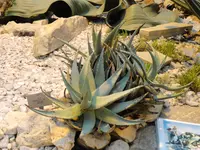
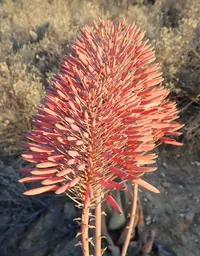
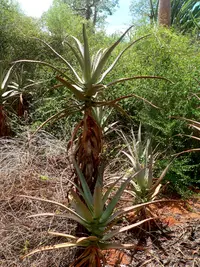
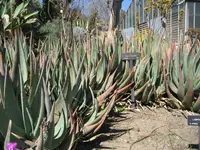
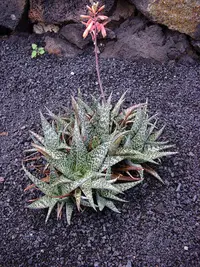
Ecklon's aloe (Aloe ecklonis) is a small, stemless aloe species that forms low, spreading rosettes close to the ground. Its leaves are usually green to bluish-green, sometimes with small teeth along the edges. In season, it sends up flower stalks with tubular blooms that attract pollinators, giving it ornamental as well as ecological value. This species is native to South Africa, where it grows in open grasslands and rocky slopes. It is generally considered a resilient succulent, but its need for well-drained soil and protection from long periods of excess moisture influences how to care for Ecklon's aloe.

Main Plant Requirements

Care Difficulty

Moderate Care

Light Preference

Partial Sun

Water Requirements

Moderate Water

Temperature Preference

Warm Climate

Hardiness Zone

9–11

Soil Texture

Sandy, Loamy, Organic-rich

Soil pH

Acidic (5.5–6.5), Slightly acidic (6.5–7.0)

Soil Drainage

Moist but well-drained

Fertilization

Minimal (feed rarely)

Get Personalized Care Plan

Scan your plant to receive care tips personalized for your specific plant

Available on iOS and Android

How to Care for the Ecklon's aloe

This species prefers bright conditions that mimic open, grassy slopes in its native range.

  • Provide 4–6 hours of direct morning sun with bright, filtered light the rest of the day; light afternoon shade helps prevent leaf scorch in hot climates.
  • Tolerates light to partial shade, but plants grown with less than 3–4 hours of sun develop weaker flowering and more elongated leaves, especially Ecklon's aloe in dense plantings.
  • In summer, protect from intense reflected heat; in winter, position where it still receives at least 4 hours of low-angle sun to maintain compact growth.

Watering should support a succulent root system without leaving soil saturated.

  • Irrigate only when the top 3–5 cm of soil feels completely dry, then soak the root zone and let excess drain away through well-structured, gritty soil.
  • In spring and summer, watering may be needed every 7–14 days in fast-draining ground; reduce to occasional deep watering in cooler months once growth slows.
  • Watch leaves for cues on Aloe ecklonis: soft, yellowing, or translucent tissue suggests overwatering, while thin, wrinkled leaves signal it has been kept dry for too long.

This aloe prefers mild, frost-free conditions but tolerates short temperature swings.

  • Aim for daytime temperatures of 65–80°F (18–27°C) for strongest growth, with slightly cooler nights promoting a firm, compact rosette.
  • Protect from frost; brief exposure down to about 28–30°F (-2 to -1°C) may be survived, but tissue damage increases rapidly below freezing, especially in wet soil.
  • In hot regions, plants cope with 90–95°F (32–35°C) if soil drains freely and roots are shaded; during heatwaves, combine light afternoon shade with slightly increased airflow.

This species handles typical indoor humidity well and rarely needs special adjustments.

  • Target 30–50% humidity; avoid persistently damp rooms such as poorly ventilated bathrooms.
  • Ecklon's aloe tolerates very dry air, but combine low humidity with bright light and careful watering to prevent tip dieback.
  • Watch for soft, pale, or edema-like blisters on leaves as signs of excess humidity plus poor air movement.

This aloe prefers a sharply draining, gritty mix that dries quickly after watering.

  • Use a sandy or gritty substrate: 50–60% cactus mix with 40–50% mineral aggregate such as pumice, coarse perlite, and 2–4 mm horticultural grit.
  • Aim for slightly acidic to neutral pH around 6.0–7.0, avoiding strongly acidic or alkaline mixes that reduce nutrient availability.
  • Incorporate only a small amount of compost or fine bark to add structure without slowing drainage or causing compaction.
  • Avoid dense clay, peat-heavy, or water-retentive potting mixes, which promote root rot and reduce oxygen around Aloe ecklonis roots.

This species adapts well to container growing when excess moisture is strictly controlled.

  • Choose a wide, shallow pot to match its spreading root system and keep the root zone from staying wet at depth.
  • Select unglazed terracotta if extra evaporation is needed, especially in cooler or low-light outdoor positions.
  • Place the pot on feet or pot risers so drainage holes stay clear and water does not pool under the container.

This summer-growing aloe benefits from light, periodic feeding but tolerates lean soils.

  • Apply a balanced liquid fertilizer at 1/4–1/2 strength every 4–6 weeks during active growth in late spring and summer.
  • Use a low-nitrogen, balanced NPK or organic compost extract suited to succulents to avoid soft, weak growth.
  • Feed potted Ecklon's aloe more consistently than in-ground plants, which often manage on existing soil nutrients.
  • Stop feeding in fall and winter, when growth slows, to prevent root damage and nutrient buildup.

Pruning Aloe ecklonis is mainly hygienic, helping maintain a tidy, healthy rosette and better flowering.

  • Best time for pruning is late winter to early spring, before strong new growth starts.
  • Remove dead, yellow, or damaged leaves at the base with clean, sharp scissors or pruners.
  • Thin out congested offsets only if they crowd the main rosette or trap moisture and debris.
  • Cut spent flower stalks at the base once seed capsules dry, directing energy back to roots and foliage.

Container-grown plants and young garden clumps benefit from occasional transplanting to maintain vigor.

  • Look for roots circling the pot, pushing through drainage holes, or noticeably slowed growth as signals to move Aloe ecklonis.
  • Plan repotting or transplanting in late spring to early summer, and expect a 2–4 year interval for established plants.
  • Choose a slightly larger, shallow container or open, free-draining garden spot with gritty, low-organic soil.
  • Handle the root ball gently, keep roots shaded and moist during the move, then water once and allow soil to dry between waterings.

This species is commonly propagated by division of offsets, with seed used mainly for larger-scale growing.

  • Separate basal offsets in late spring or early summer when they have several leaves and their own roots.
  • Lift the clump, tease apart pups by hand or with a clean knife, and let any cut surfaces dry 1–2 days.
  • Plant divisions in a gritty, well-drained mix, keep slightly moist, and provide bright, indirect light until established.
  • Sow fresh seed on the surface of a sterile, sandy mix at 68–77°F, keeping lightly moist and lightly shaded until germination.

This aloe prefers mild winters and needs protection in regions with hard frost or prolonged freezes.

  • Tolerates brief dips near 25°F but suffers damage with longer or lower freezes, especially in containers.
  • Mulch in-ground plants with 5–8 cm of coarse gravel or bark to insulate the root zone while keeping crowns dry.
  • Move container plants under cover or indoors to a bright, cool, frost-free spot for the coldest months.
  • Avoid winter overwatering; keep soil almost dry so chilled roots are less prone to rot.

Care Tips

Encourage clumping

Leave healthy offsets attached for several seasons to form a wide clump, then divide only when crowns become crowded or shading each other, replanting divisions at the same depth as before to maintain stable growth.

Seasonal watering shift

Reduce irrigation in late autumn and winter when growth slows, but resume deeper, slightly more frequent watering in late spring and summer to match its natural active season and support flowering.

Improve crown drainage

Set the plant on a slight mound or raised ridge so the crown sits just above surrounding soil level, which reduces water pooling at the base and helps prevent rot in heavy summer rains.

Flower stalk management

After flowering, cut spent flower stalks back close to the base with clean, sharp tools to redirect energy into new leaf and root growth instead of seed production.

Sun acclimation outdoors

When moving container plants from indoors or shade to brighter outdoor positions, increase light exposure over 7–10 days to avoid sun scorch on the leaves, which is especially important when growing Ecklon's aloe in climates with intense summer sun.

Common Pests and Diseases

Aloe mite

This pest causes abnormal, tumor-like swellings called galls on leaves and inflorescences, often starting in tight leaf bases or flower stalks. Symptoms include distorted growth, rough or crusty patches, and sometimes reddish or brown tissue inside the gall.

Solution

Remove and discard all affected leaves or flowering stems well below the gall, using clean tools disinfected with 70% alcohol or a bleach solution. Isolate the plant, avoid overhead watering that keeps the crown wet, and if new galls appear treat the plant and nearby aloes with a targeted miticide labeled for erinose or gall mites, following label safety directions.

Aloe rust

This disease produces small yellow spots on leaves that turn into orange to dark brown pustules, mainly on the underside. Symptoms include weak, discolored foliage and premature leaf dieback in humid or poorly ventilated conditions.

Solution

Remove affected leaves at the base and dispose of them in the trash, then improve air movement, avoid wetting the leaves, and water early in the day so surfaces dry quickly. In persistent cases, apply a systemic fungicide labeled for rust on ornamentals at the recommended interval and reduce crowding around the plant.

Leaf spot

This disease shows as round to irregular brown or black spots on leaves, often with a pale halo, increasingly common in warm, damp conditions. Symptoms include coalescing lesions that weaken leaves and sometimes cause cracking or collapse of affected tissue.

Solution

Cut off spotted leaves before lesions spread, keep the plant on the dry side, and avoid overhead watering or water splashing between plants. Increase light and airflow, and if spotting continues, use a copper-based or other ornamental leaf-spot fungicide according to label directions while maintaining good sanitation of fallen debris.

Aloe aphid

These insects are small, soft-bodied, and often green to dark, clustering on flower stalks, buds, and young leaf bases where they suck sap. This pest causes curling or stunted growth and produces sticky honeydew that encourages sooty mold on the leaves.

Solution

Spray flower stalks and leaf bases with a strong stream of water to knock aphids off, then treat remaining colonies with insecticidal soap or a light horticultural oil, ensuring full coverage of hidden crevices. Reduce nitrogen-heavy fertilization that promotes soft growth, and remove heavily infested flower spikes to protect overall plant health.

Mealybugs

These insects appear as white, cottony clusters in leaf axils, roots, or along the lower leaf surfaces where they feed on sap. This pest weakens the plant, causes yellowing or wrinkled leaves, and may lead to stunted clump growth in containers or dense plantings.

Solution

Wipe visible mealybugs with cotton swabs dipped in 70% isopropyl alcohol, then apply insecticidal soap or systemic insect granules labeled for mealybugs if the infestation persists. For potted plants, consider unpotting to inspect and wash the roots, remove heavily infested offsets, and replant in fresh, fast-draining mix as part of long-term Aloe ecklonis care.

Interesting Facts

Summer rainfall specialist

This species is native to summer-rainfall grasslands of South Africa, where it experiences dry winters and wet, mild summers, unlike many arid-desert aloes.

Underground survival strategy

It forms a thick underground rootstock that helps it resprout after drought, light frost, or grassland fires, an adaptation to its open, fire-prone habitat.

Ground-level rosettes

Its rosettes sit close to the soil surface rather than forming tall stems, allowing the leaves and flower stalks to stay protected among surrounding grasses.

Botan icon

Did you know?

Aloe ecklonis often flowers alongside other grassland species and can form striking natural drifts of yellow blooms that attract a wide range of pollinating insects in its native South African habitats.

FAQs about Ecklon's aloe

Lack of flowers usually comes from insufficient light, plants that are still immature, or nutrient‑rich, overly moist soil. Provide full sun, sharper drainage, and avoid heavy feeding to encourage strong leaf rosettes that will eventually flower reliably.

Grow Healthy Plants with Botan Care

Keep your plants happy and healthy with plant identification, disease detection, and easy care guidance.

Botan plant care app — identify plants on mobile

Explore More Plants