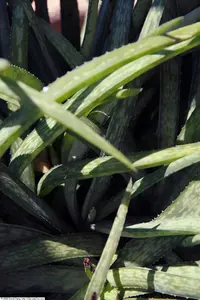
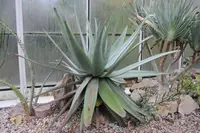
zebra leaf aloe Care (Aloe zebrina)

Also known as: Zebra-leaved Spotted Aloe
zebra leaf aloe

About zebra leaf aloe

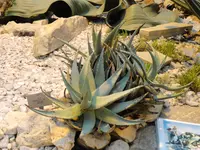
Zebra leaf aloe (Aloe zebrina) is a small, clumping succulent known for its banded leaves and compact rosette growth habit. It stores water in its fleshy foliage, which makes it drought-tolerant and suitable for containers.

In nature, Aloe zebrina occurs in arid regions of southern Africa, often on rocky or sandy ground with strong light and fast drainage. Its slow growth, modest size, and low water demands make it relatively easy to keep alive, as long as excess moisture is avoided.

Those learning how to care for zebra leaf aloe should focus on bright light, infrequent but deep watering, and a gritty, well-drained soil mix to prevent root problems.

Main Plant Requirements

Care Difficulty

Easy Care

Light Preference

Partial Sun

Water Requirements

Low Water

Temperature Preference

Tropical / Frost Sensitive

Hardiness Zone

10–11

Soil Texture

Sandy, Loamy, Rocky

Soil pH

Slightly acidic (6.5–7.0), Neutral (7.0)

Soil Drainage

Well-drained

Fertilization

Minimal (feed rarely)

Get Personalized Care Plan

Scan your plant to receive care tips personalized for your specific plant

Available on iOS and Android

How to Care for the zebra leaf aloe

This succulent prefers bright, indirect light with some gentle direct sun each day.

  • Provide 4–6 hours of bright, indirect light, such as an east-facing window or morning sun with light afternoon shade.
  • Allow light dappled shade in hotter climates; strong midday sun can scorch zebra leaf aloe, causing bleached or brown patches.
  • In winter, move it to the brightest spot available and rotate weekly so rosettes grow evenly and do not stretch toward one side.

This species needs infrequent, deep watering and thorough drying between waterings.

  • Allow the top 3–5 cm of soil to dry before watering, then soak the root zone until water exits drainage holes or the ground feels evenly moist.
  • Reduce watering in winter, especially below 65°F (18°C), and wait longer between waterings if growth slows or leaves feel cool and firm.
  • Suspect overwatering if leaves become soft, translucent, or black at the base; underwatering shows as thin, curling, or wrinkled leaves on Aloe zebrina.

This succulent grows best in warm, frost-free conditions with moderate seasonal variation.

  • Keep day temperatures around 65–80°F (18–27°C) for active growth, with slightly cooler nights down to about 55°F (13°C).
  • Protect from cold; brief exposure to 40–45°F (4–7°C) is usually tolerated, but frost below 32°F (0°C) can damage or kill the rosette.
  • In hot spells above 90°F (32°C), provide shade from intense afternoon sun and ensure good airflow to reduce heat stress and leaf scorch.

Humidity is rarely a concern for Aloe zebrina as long as the air is dry to moderately humid.

  • Aim for 30–50% relative humidity, similar to most heated or air-conditioned homes.
  • The plant tolerates dry indoor air; persistent humidity above 60% increases risk of rot and fungal spots.
  • Humidity stress shows as soft, mushy, or blackened leaves; improve air circulation and let the potting mix dry more between waterings.

Aloe zebrina needs a very fast-draining, mineral-rich substrate that dries quickly between waterings.

  • Use a gritty mix such as 50–70% inorganic components (pumice, perlite, coarse sand) blended with 30–50% cactus potting mix.
  • Aim for a slightly acidic to neutral pH of about 6.0–7.0, which supports nutrient uptake and root health.
  • Increase aeration by using coarse particles (3–5 mm) and avoiding fine peat that compacts and holds excess water.
  • Avoid dense, moisture-retentive garden soil or pure compost, which trap water around the roots and encourage rot.

This species is very suitable for container growing when drainage and pot choice are controlled carefully.

  • Choose a wide, shallow pot that matches the horizontal spread of the rosette to keep roots slightly confined and the plant stable.
  • Select unglazed terracotta if extra evaporation is needed in cool or low-light situations, as it allows the mix to dry faster.
  • Elevate the container on pot feet or mesh stands so drainage holes stay clear and water does not pool under the base.

Aloe zebrina is a light feeder but responds well to modest, targeted nutrition in the growing season.

  • Use a balanced liquid fertilizer (around 10-10-10 or 20-20-20) diluted to 25–50% strength in spring and summer.
  • Feed every 4–6 weeks while growth is active; skip feeding if the plant looks stressed or waterlogged.
  • Apply only to moist soil to avoid root burn, and never on completely dry substrate.
  • Stop fertilizing in fall and winter when growth slows, as caring for zebra leaf aloe in dormancy focuses on dryness and light rather than feeding.

Aloe zebrina needs minimal pruning, mainly to keep rosettes clean and healthy.

  • Best time for pruning is late spring to summer when the plant is actively growing.
  • Remove dead, yellowing, or damaged leaves at the base with clean, sharp scissors or pruners.
  • Cut away crowded basal leaves that trap debris to improve airflow and reduce rot risk.
  • Pruning spent flower stalks at the base tidies the plant without affecting future flowering.

This aloe prefers slightly snug pots and infrequent repotting to avoid unnecessary root disturbance.

  • Repot every 2–3 years or when roots circle the pot, emerge from drainage holes, or growth slows noticeably.
  • Choose late spring as the best time, using a shallow pot with excellent drainage and a gritty cactus mix.
  • Gently loosen circling roots, remove old, soggy soil, and handle the root ball carefully to limit stress.
  • After repotting Aloe zebrina, keep in bright, indirect light and water lightly after 5–7 days to allow wounds to heal.

Propagation of Aloe zebrina is most reliable by removing offsets that form around the mother plant.

  • Take offsets in late spring or early summer when they have several leaves and visible roots.
  • Use a sterile knife to separate pups, keeping a small portion of the rhizome or stem attached.
  • Allow cut surfaces to dry and callus for 2–3 days in a shaded, airy spot before planting.
  • Set pups in a dry, gritty mix, then water lightly after 3–5 days and keep warm with bright, indirect light.

This aloe is not frost hardy and needs thoughtful winter handling in most temperate climates.

  • Keep plants above 40°F; ideal winter range is 45–55°F with plenty of light.
  • Move containers indoors before the first frost and place near a bright south- or west-facing window.
  • Reduce watering sharply in winter, letting the mix dry almost completely between light waterings.
  • In mild climates, grow Aloe zebrina in pots so they can be relocated easily during cold snaps.

Care Tips

Pot height control

Use a shallow, wide pot rather than a deep one to keep the root zone close to the warm, dry surface layer and reduce the risk of rot in heavy lower soil strata.

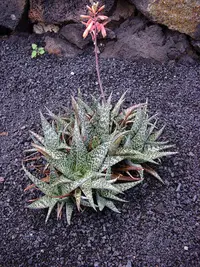
Offset management

Remove and replant offsets once they have at least 3–4 leaves and visible roots, which prevents overcrowding in the mother pot and maintains strong rosette shape and patterning.

Targeted pest checks

Inspect the leaf bases and the undersides of lower leaves every 2–3 weeks for mealybugs or scale, using a cotton swab with 70% isopropyl alcohol to spot-treat any early infestation before it spreads.

Seasonal light shift

Rotate the pot 90° every 2–3 weeks and move it slightly closer to the window during short winter days to maintain compact, symmetrical growth and prevent weak, stretched leaves when growing zebra leaf aloe.

Controlled outdoor acclimation

If moving the plant outdoors for summer, start it in bright shade for 7–10 days and then gradually increase morning sun exposure to avoid sudden leaf scorching and stress.

Common Pests and Diseases

Aloe mite

This pest causes abnormal, tumor-like swellings or distorted rosettes, often starting in leaf axils or at the base of the plant. Symptoms include corky, warty growths that spread gradually across leaves and stems.

Solution

Remove and discard all affected leaves or rosettes well below the distorted tissue, sterilizing tools between cuts with 70% alcohol. In advanced cases, destroy the entire plant to prevent spread, and keep any remaining healthy Aloe zebrina isolated from other aloes while monitoring new growth closely.

Aphids

These insects gather on soft new growth and flower stalks, sucking sap and causing curling, stunted leaves, and sticky honeydew deposits. Sooty mold may develop on the honeydew, making leaves appear dirty or blackened.

Solution

Rinse plants under a gentle but firm stream of water to knock off colonies, then treat remaining insects with insecticidal soap or a ready-to-use neem oil spray, covering leaf bases and undersides. Improve air movement and avoid overfertilizing, since very soft, lush growth attracts more aphids when growing Aloe zebrina.

Mealybugs

This pest appears as small white cottony clusters in leaf axils, along roots, and around the base of the rosette. Symptoms include yellowing, slowed growth, and sticky residue, and severe infestations can weaken the plant significantly.

Solution

Inspect the rosette closely, then dab visible mealybugs with cotton swabs dipped in 70% isopropyl alcohol and remove any heavily infested pups. For hidden or root mealybugs, unpot the plant, wash the roots, trim badly affected areas, repot into fresh, well-drained mix, and repeat topical treatments weekly until no new insects appear.

Edema

This disorder occurs when roots absorb water faster than leaves can transpire it, leading to small corky blisters or rough patches on lower leaves. Symptoms include firm, raised spots that do not spread like rot but can make foliage look scarred.

Solution

Allow the soil to dry more thoroughly between waterings, especially in cool or low-light periods, and always use a very fast-draining succulent mix. Increase light and airflow around the plant, avoid saucers full of standing water, and water in the morning so the substrate does not stay saturated overnight as part of long-term Aloe zebrina care instructions.

Leaf spot

This disease produces small, sunken brown or tan lesions on leaves that may merge into larger irregular spots, sometimes with a darker edge. Symptoms include cosmetic damage at first, but in severe cases affected tissue can dry, crack, or invite secondary rot.

Solution

Remove and discard leaves with extensive spotting and keep water off the foliage, especially in cool or low-light conditions. Improve spacing and airflow, water only at the soil line, and if the problem persists, apply a labeled copper-based fungicide lightly, ensuring the plant remains in bright, dry conditions between treatments.

Interesting Facts

Striped leaf armor

This species develops thick triangular leaves with distinctive pale transverse bands, which are thought to help break up the plant’s outline and reduce leaf temperature under intense African sun.

Southern African native

Aloe zebrina occurs naturally in arid and semi‑arid regions of southern Africa, often on rocky slopes and open scrub, where it is adapted to strong light, high daytime heat, and markedly cooler nights.

Shallow, efficient roots

In habitat, it typically grows with a relatively shallow but wide‑spreading root system that allows rapid uptake of brief rainfall before the water evaporates or drains away.

Botan icon

Did you know?

In its native range, Aloe zebrina often blooms at the end of the dry season, sending up a tall flower stalk with tubular orange to reddish flowers that supply an important nectar source for local sunbirds, which in turn act as its main pollinators.

FAQs about zebra leaf aloe

Brown leaf tips or patches usually come from underwatering, strong sun scorch, or fertilizer salts building up in the pot. Check roots for rot, flush the soil occasionally, and adjust light exposure and watering schedule gradually.

Grow Healthy Plants with Botan Care

Keep your plants happy and healthy with plant identification, disease detection, and easy care guidance.

Botan plant care app — identify plants on mobile

Explore More Plants