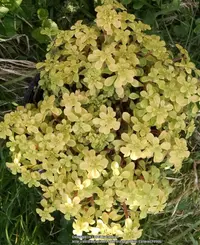
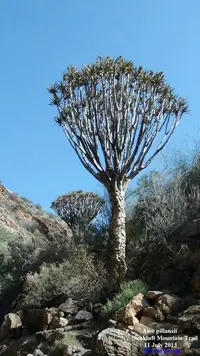
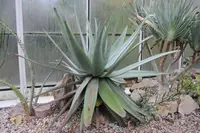
Sandpaper Aloe Care (Aloe asperifolia)

Sandpaper Aloe

About Sandpaper Aloe

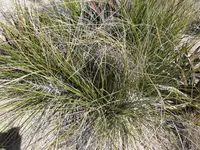
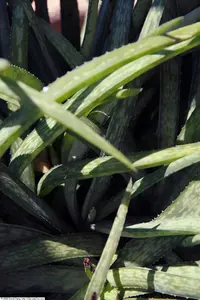
Sandpaper aloe, Aloe asperifolia, is a compact succulent from arid regions of Namibia and Angola. It forms low rosettes with narrow, stiff leaves that feel rough or gritty to the touch. Leaf color ranges from gray-green to bluish, often with a slightly powdery surface.

This species grows slowly and stays relatively small, which suits containers and bright indoor spots. It is drought tolerant and dislikes constantly wet soil, so it suits owners who prefer low-maintenance plants. Understanding how to care for Sandpaper Aloe mainly involves providing strong light, infrequent watering, and a very well-drained, gritty soil mix.

Main Plant Requirements

Care Difficulty

Easy Care

Light Preference

Full Sun

Water Requirements

Low Water

Temperature Preference

Tropical / Frost Sensitive

Hardiness Zone

10–11

Soil Texture

Sandy, Loamy, Rocky

Soil pH

Slightly acidic (6.5–7.0), Neutral (7.0)

Soil Drainage

Well-drained

Fertilization

Minimal (feed rarely)

Get Personalized Care Plan

Scan your plant to receive care tips personalized for your specific plant

Available on iOS and Android

How to Care for the Sandpaper Aloe

This compact aloe prefers bright, direct light but benefits from some protection from intense midday sun.

  • Provide 4–6 hours of direct morning sun, plus bright light the rest of the day; east or southeast exposure is ideal for Sandpaper Aloe.
  • In hot, dry climates, give light shade or filtered sun from roughly 11 a.m. to 3 p.m. to reduce leaf scorch and bleaching.
  • If stems stretch or leaves lose their firm, compact shape, increase light gradually over 7–10 days to avoid sunburn.

This drought-adapted species needs infrequent, deep watering in sharply draining soil.

  • Water only when the top 3–5 cm of soil is completely dry; in warm growing seasons this may mean every 10–21 days depending on heat and wind.
  • Reduce watering in cooler months, letting the soil stay dry for longer; slightly wrinkled leaves signal mild thirst, while mushy, translucent leaves indicate overwatering.
  • Use fast-draining, gritty soil so water runs through within a few seconds, helping prevent root rot in Aloe asperifolia.

This species thrives in warm, dry conditions and dislikes prolonged cold or excess humidity.

  • Aim for 65–80°F (18–27°C) during active growth for best leaf color and compact form.
  • Protect from frost; brief dips to 30–32°F (-1–0°C) may be survived if soil is very dry, but growth is safer above 40°F (4–5°C).
  • In hot spells above 95°F (35°C), offer light shade and good airflow to limit heat stress, and avoid sudden temperature swings between day and night.

This species prefers dry indoor air and rarely needs humidity adjustment.

  • Maintain 30–50% humidity, similar to most heated or air-conditioned homes.
  • Dry, curling leaf tips with soft spots may indicate prolonged exposure to very damp, stagnant air rather than low humidity.
  • Improve air movement with a small fan and keep the plant away from humidifiers or enclosed terrariums to prevent fungal issues in Sandpaper Aloe.

This aloe needs a very fast-draining, gritty substrate to prevent root rot.

  • Use a coarse cactus/succulent mix based on sandy or loamy mineral particles, not peat-heavy potting soil.
  • Aim for slightly acidic to slightly alkaline pH, around 6.0–7.5, which most commercial succulent mixes provide.
  • Improve drainage and aeration by mixing in 30–50% extra pumice, perlite, or crushed lava rock, plus some coarse sand if the mix feels dense.
  • Avoid compact, clay-based, or water-retentive soils and never allow the mix to stay wet for more than a day after watering, especially for Aloe asperifolia.

This compact aloe is well suited to container growing.

  • Choose a pot only 2–4 cm wider than the root ball so the mix dries evenly between waterings.
  • Use a shallow but broad container that matches the fibrous, shallow-rooting habit and reduces the risk of water pooling at depth.
  • Select unglazed terracotta or another breathable material to speed evaporation in cool or humid climates and limit moisture buildup around roots.

This slow-growing desert succulent needs only light feeding under typical home conditions.

  • Use a diluted balanced liquid fertilizer (for example 10-10-10) at 1/4–1/2 strength for Sandpaper Aloe during active growth in spring–summer.
  • Apply every 6–8 weeks if growth is modest; skip feeding if the plant was recently repotted in fresh mix.
  • Avoid organic composts that stay wet; choose products formulated for cacti and succulents.
  • Stop feeding in fall–winter when growth slows, to prevent soft, weak tissues.

Aloe asperifolia needs only minimal pruning to keep rosettes healthy and clean.

  • Best time is late winter to early spring, before strong new growth begins.
  • Remove dead, dried, or damaged leaves at the base with clean, sharp scissors or pruning snips.
  • Cut away crowded or badly placed offsets to improve air flow and maintain the plant’s form.
  • Discard any diseased material and disinfect tools between plants to limit pathogen spread.

Container-grown Aloe asperifolia benefits from infrequent repotting that refreshes the gritty soil mix.

  • Repot every 3–4 years, or when roots circle the pot, drainage slows, or growth becomes noticeably weak.
  • Choose late spring as the main time for moving into a slightly wider, shallow pot with cactus-succulent mix.
  • Gently loosen circling roots and remove old, soggy soil, keeping as much root system intact as possible.
  • After repotting, keep the plant slightly dry for 5–7 days to let root wounds seal and limit transplant shock.

This species is most often multiplied by removing offsets from mature clumps.

  • Separate well-formed pups with their own roots in late spring to early summer for best establishment.
  • Let any cut surfaces dry and callus for 1–3 days in shade before planting in a gritty, fast-draining mix.
  • Keep newly potted divisions in bright, indirect light and water sparingly until firm new growth appears.
  • Seed propagation is possible but slower and needs warm temperatures, light, and evenly moist but airy substrate.

In most temperate climates this aloe is best treated as a tender succulent needing cool, dry winter conditions.

  • Avoid exposure below about 30°F; prolonged freezes can damage or kill foliage and roots.
  • Move containers indoors to a bright, cool room before the first hard frost, ensuring good airflow.
  • Reduce watering sharply in winter, letting the soil dry almost completely to prevent rot in cold conditions.
  • In mild climates, a very gritty, raised bed and a light gravel mulch around the crown help shed winter moisture.

Care Tips

Container depth choice

Use a wide, shallow terracotta pot rather than a deep one so the shallow root system can spread laterally and the soil dries evenly between waterings.

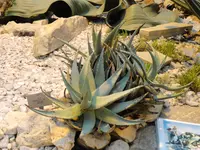
Grit layer technique

Add a 0.5–1 in topdressing of coarse gravel or pumice on the soil surface to keep leaf bases dry, reduce fungus gnat habitat, and stabilize the plant rosette.

Rot-prevention inspection

Every 2–3 months gently press the stem base and older leaves to check for soft spots, and if detected immediately unpot, cut away affected tissue, dust with sulfur or cinnamon, and replant in fresh dry mix.

Summer hardening off

When moving the plant outdoors for summer, increase sun exposure over 7–10 days by starting in bright shade, then gradually giving more direct morning sun to avoid leaf scorch on the rough foliage.

Cool-season rest

From late fall to early spring, provide cooler, bright conditions and reduce water so the plant enters a mild rest period, which helps maintain compact growth and supports long-term success when growing Sandpaper Aloe.

Common Pests and Diseases

Aloe mite

This pest causes distorted, wart-like, or cauliflower-like galls along leaf edges and in the center of the rosette. Symptoms include rough, swollen tissue that slowly enlarges and does not return to normal once damaged.

Solution

Remove and discard all affected leaves or entire plants with severe galling, cutting well into healthy tissue and disposing of waste in the trash, not compost. Isolate the plant, increase spacing for airflow, and if nearby aloes are at risk, use a targeted miticide labeled for eriophyid mites according to instructions, keeping the plant in bright, dry conditions to limit further spread.

Aloe rust

This disease produces small yellow spots that turn dark brown to black with a rust-like surface, mainly on older leaves. Symptoms include localized lesions that may merge under prolonged humidity but usually remain on the leaf surface.

Solution

Cut off and discard leaves with extensive spotting and keep the plant in a drier, well-ventilated location with strong light. Avoid overhead watering, ensure the foliage dries quickly, and in persistent humid conditions consider a sulfur-based or copper-based fungicide labeled for succulents, applied according to the product label.

Mealybugs

These insects appear as white, cottony clusters in leaf axils, along leaf margins, and sometimes on roots in the potting mix. This pest sucks sap, causing slow growth, wrinkled leaves, and sticky honeydew that can attract sooty mold.

Solution

Isolate the plant, then dab visible insects with cotton swabs dipped in 70% isopropyl alcohol and rinse the foliage gently with lukewarm water after treatment. For recurring problems, repot in fresh, gritty succulent mix to remove root mealybugs and use repeated applications of insecticidal soap or a systemic insecticide labeled for container succulents while maintaining bright light and avoiding overfertilizing, which can attract more pests.

Aloe scale

This pest forms small, hard, brown or gray bumps on leaves and stems that do not rub off easily. Symptoms include yellowing patches, localized indentations, and gradual decline if colonies become dense.

Solution

Manually remove scale with a fingernail or soft brush after softening them with a light wipe of 70% isopropyl alcohol, then rinse the plant to remove residues. In heavier infestations, repeat alcohol or insecticidal soap treatments every 7–10 days, improve light and air movement, and discard badly affected leaves to prevent reinfestation while following specific Sandpaper Aloe care instructions for watering to reduce plant stress.

Interesting Facts

Namib Desert specialist

This species is native to the coastal Namib Desert of Namibia and Angola, where it grows in extremely arid, sandy habitats with frequent fog but very little rainfall.

Sand-buried growth habit

Mature plants often grow almost flush with the ground, with leaves partly buried or pressed against the soil surface, which helps reduce water loss and protects tissues from wind and sand abrasion.

Distinct rough leaf texture

Unlike many smooth-leaved aloes, it has distinctly rough, sandpapery leaf surfaces caused by dense, fine epidermal cells, an adaptation thought to help manage light and water on exposed desert sites.

Botan icon

Did you know?

In habitat this species often grows in pure stands, forming small, low colonies over sandy flats, which makes it a useful indicator of specific microhabitats within the coastal Namib Desert ecosystem.

FAQs about Sandpaper Aloe

Lack of blooms usually comes from insufficient light, a pot that is too small, or the plant being too young. Cool, bright, dry winter conditions and avoiding excess fertilizer help trigger flowering in mature rosettes.

Grow Healthy Plants with Botan Care

Keep your plants happy and healthy with plant identification, disease detection, and easy care guidance.

Botan plant care app — identify plants on mobile

Explore More Plants