Acclimate Outdoor Placement
Before leaving the plant outside for summer, gradually increase its daily exposure to direct sun and wind over 7–10 days to prevent leaf scorch and shock when growing Aloe capitata.

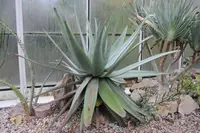
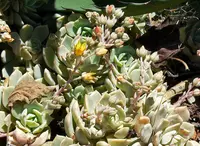
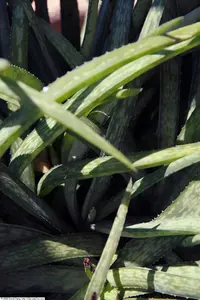
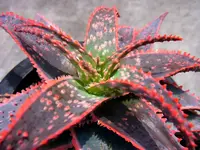
Aloe capitata is a succulent species from Madagascar, valued for its compact rosettes and striking, often bluish to reddish leaves edged with small teeth. It forms clumps over time, creating a low, architectural mound suitable for containers or dry garden beds in warm climates.
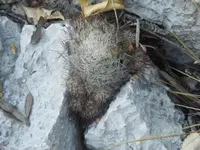
In its native habitat, it grows in rocky, well-drained sites with strong sun and limited rainfall. These adaptations make it relatively forgiving, as long as excess moisture is avoided.
Those who want to care for Aloe capitata should provide bright light, sparse watering, and gritty, fast-draining soil to support healthy, long-lived plants.

Care Difficulty
Easy Care

Light Preference
Full Sun

Water Requirements
Low Water

Temperature Preference
Tropical / Frost Sensitive

Hardiness Zone
10–11

Soil Texture
Sandy, Loamy, Rocky

Soil pH
Slightly acidic (6.5–7.0), Neutral (7.0)

Soil Drainage
Well-drained

Fertilization
Minimal (feed rarely)
Scan your plant to receive care tips personalized for your specific plant
Available on iOS and Android
This succulent prefers bright, dry conditions that mimic an open, rocky habitat.
This species stores moisture in its leaves and needs infrequent but thorough watering.
This drought-adapted plant prefers warm, dry air and cool, frost-free nights.
This species tolerates a wide humidity range and usually thrives in typical indoor household air.
Use a very fast-draining, mineral-heavy mix to prevent root rot in this aloe.
This species adapts very well to container growing when drainage and root space are managed carefully.
This drought-adapted succulent needs only light feeding to stay healthy in containers.
Pruning is minimal and mainly keeps the rosette clean and reduces rot risk.
Container-grown plants benefit from occasional repotting to refresh soil and manage root growth.
Propagation is typically done from offsets, with seeds used mainly by experienced growers.
This species is not reliably frost hardy and needs protection in colder climates.

Plant Health Check
Not sure what's wrong with your plant? Check your plant's health inside the app.
This species is native to rocky quartz and sandstone outcrops in the central highlands of Madagascar, where it grows in very shallow, mineral-poor soils exposed to intense sun and seasonal drought.
The rosettes often shift from bluish green in partial shade to coppery or reddish tones in strong light, a response driven by protective pigments that reduce damage from high ultraviolet radiation.
Mature plants produce relatively tall, branched inflorescences bearing many tubular orange to reddish flowers that are adapted for pollination by sunbirds in their native habitat.

Aloe capitata is considered one of the more cold-tolerant Madagascan aloes and can survive brief temperature drops close to freezing in dry, well-drained conditions, which is unusual for a species from such a warm region.
Browning leaves usually result from sunscorch, chronic underwatering, or old age of lower leaves. Check for very dry soil, harsh midday sun, or cold drafts. Remove only fully dried leaves and adjust conditions gradually.
Keep your plants happy and healthy with plant identification, disease detection, and easy care guidance.