Copper Rose Care (Echeveria multicaulis)

Copper Rose

About Copper Rose

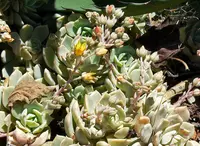
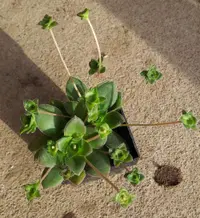
Copper rose, Echeveria multicaulis, is a compact succulent known for its many branching stems topped with small, rose-shaped rosettes. The foliage is usually blue-green to pinkish, often with a powdery surface that helps reduce water loss.

This species comes from dry regions of Mexico, so it is adapted to bright light and periods of drought. It typically grows low and spreading, forming a dense clump that suits containers, rock gardens, and indoor windowsills.

Its slow to moderate growth, drought tolerance, and modest nutrient needs make it suitable for beginners who want to learn how to care for Copper Rose. It prefers strong light, infrequent watering, and a very well-draining, gritty soil mix.


Main Plant Requirements

Care Difficulty

Easy Care

Light Preference

Full Sun

Water Requirements

Low Water

Temperature Preference

Tropical / Frost Sensitive

Hardiness Zone

10–11

Soil Texture

Sandy, Loamy, Rocky

Soil pH

Slightly acidic (6.5–7.0), Neutral (7.0)

Soil Drainage

Well-drained

Fertilization

Minimal (feed rarely)

Get Personalized Care Plan

Scan your plant to receive care tips personalized for your specific plant

Available on iOS and Android

How to Care for the Copper Rose

This succulent prefers bright, direct light but needs gradual acclimation to strong sun.

  • Provide 4–6 hours of direct morning sun plus bright light the rest of the day for compact rosettes when growing Copper Rose outdoors.
  • In very hot, dry climates, give light shade or filtered light from about 1–4 p.m. to reduce leaf scorch and faded color.
  • If stems stretch or leaves lose color, increase light exposure; in winter, move pots to the brightest south- or west-facing spot available.

Water this succulent sparingly and only when the soil has clearly dried.

  • Before watering, ensure the top 3–5 cm of soil is completely dry and the pot feels noticeably lighter when lifted.
  • Use sharply draining soil and a drainage hole so water runs through quickly; discard any standing water to reduce root rot risk in Echeveria multicaulis.
  • In active growth, expect more frequent watering; in winter dormancy, water only when leaves start to soften or wrinkle slightly.

This species prefers warm, dry conditions and has low tolerance for frost.

  • Aim for 65–80°F (18–27°C) during active growth, as this range supports steady photosynthesis and compact rosettes.
  • Protect plants from cold below 40°F (4°C) and move them under cover before light frosts, since tissue damage can occur near 32°F (0°C).
  • In heat above 95°F (35°C), provide light shade and good airflow, and avoid overwatering to prevent stressed, mushy leaves and root problems.

This species prefers dry air and rarely suffers from low household humidity.

  • Aim for 30–50% relative humidity, which suits its desert-adapted leaves and minimizes rot risk.
  • Copper Rose tolerates very dry heated rooms if soil is not kept wet for long periods.
  • Watch for edema-like blisters or blackened leaf bases as signs humidity is too high for current temperatures.

This succulent needs very fast-draining, airy soil to prevent root and stem rot.

  • Use a gritty mix such as 50–70% mineral materials (pumice, perlite, coarse sand, or small gravel) with 30–50% cactus potting mix.
  • Maintain a loose, open structure that dries within 2–4 days after watering to protect Echeveria multicaulis roots.
  • Target slightly acidic to neutral pH around 6.0–7.0, avoiding heavy additions of peat that stay wet too long.
  • Avoid dense, peat-only, or clay-based garden soil, which compacts, limits aeration, and traps moisture around the crown.

This species is very suitable for container growing due to its compact, shallow root system.

  • Choose a wide, shallow pot that allows rosettes to spread while keeping the root zone close to the fast-drying surface layer.
  • Prefer unglazed terracotta or clay, which wicks moisture away and helps recover from occasional overwatering.
  • Lift the container slightly on feet or pot risers so drainage holes never sit in a saucer of leftover water.

This succulent benefits from light feeding during active growth but does not need heavy fertilization.

  • Use a balanced liquid succulent fertilizer at 1/4–1/2 strength or a mild slow-release product formulated for cacti and succulents.
  • Feed every 4–6 weeks in spring and summer when Copper Rose is actively growing.
  • Avoid fertilizing in late fall and winter to prevent weak, stretched growth.
  • Always water lightly before applying fertilizer to reduce root burn risk.

Pruning Echeveria multicaulis focuses on hygiene and maintaining a compact rosette display.

  • Carry out light pruning in spring or after the main growth flush.
  • Remove dead, shriveled, or damaged leaves by gently twisting them off at the base.
  • Cut away leggy stems with clean, sharp scissors to encourage tighter, neater rosettes.
  • Trim spent flower stalks at the base once blooms fade to redirect energy to foliage.

Repotting is occasional and mainly needed when the plant outgrows its container or the soil degrades.

  • Check for roots circling the pot, crowded offsets, or slowed growth as signs it needs a larger container.
  • Plan to repot every 2–3 years in late spring, using a gritty, fast-draining cactus and succulent mix.
  • Choose a pot only 2–3 cm wider with drainage holes to limit excess moisture around roots.
  • Handle rosettes gently, disturb roots as little as possible, and keep soil slightly dry for a few days after repotting.

This species is commonly multiplied to refresh older plants and create new rosettes.

  • Use leaf cuttings or stem cuttings, or detach offsets clustered around the base.
  • Take cuttings in late spring or early summer, the best season for strong rooting.
  • Allow cut surfaces to callus for 1–3 days, then place on or in barely moist, gritty mix.
  • Provide bright indirect light, good airflow, and minimal watering until new roots and growth appear.

Winter care aims to keep this tender succulent dry and above freezing temperatures.

  • Treat Echeveria multicaulis as frost-sensitive; avoid exposure below 32°F for extended periods.
  • Move containers indoors or into a cold frame before first hard frost in cooler climates.
  • Provide bright light, cooler indoor temperatures around 50–60°F, and much less watering in winter.
  • Ensure pots and outdoor sites drain very well so roots do not stay wet in cold conditions.

Care Tips

Offset management

Inspect the base of the rosette every few months and remove or replant offsets with a clean, sharp knife once they have formed their own roots, which keeps the mother plant from becoming overly crowded and encourages stronger new rosettes.

Controlled stretching repair

If stems elongate and look bare, cut the rosette with 2–3 cm of stem, let the cut end callus for 3–5 days, then replant in dry, gritty mix to recompact the plant and gradually improve its shape under brighter light.

Winter rain protection

In climates with cool, wet winters, place pots under a clear overhang or use a vented cold frame so foliage stays dry while the plant still receives maximum light, reducing the risk of rot during the dormant period.

Targeted pest checks

Check the tight leaf bases and undersides monthly for mealybugs and scale using a hand lens if possible, and spot-treat early infestations with cotton swabs dipped in isopropyl alcohol before they spread through the clump.

Terracotta pot advantage

Use unglazed terracotta pots with generous drainage holes for Copper Rose indoor care, since the porous walls help excess moisture evaporate and lower the chance of root and stem rot in compact, fleshy root systems.

Common Pests and Diseases

Mealybugs

This pest hides in leaf rosettes and stem joints, sucking sap and leaving white, cotton-like clusters. Symptoms include stunted growth, yellowing leaves, and sticky honeydew that can lead to sooty mold.

Solution

Isolate the plant, then dab visible insects with cotton swabs dipped in 70% isopropyl alcohol and repeat weekly until clear; for heavier infestations, rinse the rosette thoroughly with a strong but gentle stream of water. Improve light and airflow, avoid prolonged leaf wetness, and use a labeled systemic insecticide only if manual control fails.

Aphids

These insects cluster on flower stalks and new growth, feeding on sap and causing distortion, curling, and sticky residue. Ants are often attracted to the honeydew they produce.

Solution

Spray affected areas with a firm stream of water to dislodge colonies, then treat tender growth with insecticidal soap, ensuring full coverage and repeating every 5–7 days as needed. Remove heavily infested flower stalks and reduce excess nitrogen fertilization, which encourages soft, aphid-prone growth.

Soft scale

This pest appears as small, dome-shaped brown or tan bumps on stems and leaf bases, where it remains fixed while feeding on sap. Symptoms include gradual decline, sticky honeydew, and possible sooty mold on lower leaves and nearby surfaces.

Solution

Gently scrape or wipe off visible scale with a cotton swab or soft brush dipped in 70% isopropyl alcohol, then repeat checks weekly. For persistent issues, apply a horticultural oil or systemic insecticide labeled for succulents, and keep the plant in bright, dry, well-ventilated conditions to reduce reinfestation when growing Copper Rose.

Edema

Symptoms include small corky, tan or brown blisters or patches on older leaves, often after abrupt overwatering or sudden changes from cool, damp to warm, bright conditions. This physiological disorder is caused by roots taking up water faster than leaves can transpire it.

Solution

Allow soil to dry more thoroughly between waterings and reduce frequency, especially in cool or low-light periods. Provide stable bright light, good airflow, and a gritty, fast-draining mix so new growth forms normally, as damaged tissue will not revert.

Leaf spot

This disease causes small, round to irregular brown or gray spots on leaves, sometimes with darker margins, often starting on lower or crowded foliage. High humidity, overhead watering, and poor airflow favor spread on dense rosettes.

Solution

Remove and discard affected leaves, avoid wetting the rosette when watering, and improve spacing and airflow around the plant. If spotting continues to spread, apply a sulfur- or copper-based fungicide labeled for ornamental succulents, following directions, and ensure the soil and crown dry quickly after any moisture exposure.

Interesting Facts

Naturally forming clusters

This species is known for producing many offsets from its base, forming dense mounds of rosettes rather than staying as a single plant.

Copper-toned leaf edges

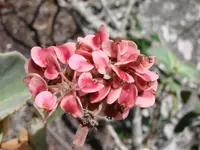
Under strong light and mild stress, the normally green leaves develop a distinct copper to pinkish margin that inspired the common name copper rose.

Flowering in dry seasons

In its native Mexican habitat, it often sends up several slender flowering stalks during relatively dry, bright periods, showing an adaptation to seasonal drought conditions.

FAQs about Copper Rose

Lack of flowers usually comes from insufficient light, too much nitrogen fertilizer, or stress from recent repotting or cold. Ensure strong light, avoid frequent repotting, and use a low-nitrogen, succulent-appropriate fertilizer during the growing season.

Grow Healthy Plants with Botan Care

Keep your plants happy and healthy with plant identification, disease detection, and easy care guidance.

Botan plant care app — identify plants on mobile

Explore More Plants