Majorcan Hellebore Care (Helleborus lividus)

Majorcan Hellebore

About Majorcan Hellebore

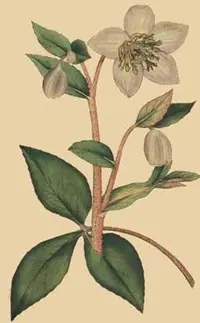
Majorcan hellebore, Helleborus lividus, is a compact, evergreen perennial grown mainly for its patterned foliage and winter to early-spring flowers. It forms low mounds of leathery, often marbled leaves with clusters of nodding, cup-shaped blooms in pale green, pink, or purple tones.

This species is native to Mallorca in the Balearic Islands, where it grows in rocky, partial shade habitats with well-drained soil. It can be somewhat demanding outside mild climates, as it dislikes heat, waterlogged soil, and strong direct sun.

Gardeners who care for Majorcan Hellebore usually focus on cool conditions, consistent moisture without sogginess, and protection from extreme weather to keep it healthy and long-lived.

Main Plant Requirements

Care Difficulty

Moderate Care

Light Preference

Partial Shade

Water Requirements

Moderate Water

Temperature Preference

Cool Climate

Hardiness Zone

8–10

Soil Texture

Loamy, Sandy, Organic-rich

Soil pH

Acidic (5.5–6.5), Slightly acidic (6.5–7.0)

Soil Drainage

Moist but well-drained

Fertilization

Minimal (feed rarely)

Get Personalized Care Plan

Scan your plant to receive care tips personalized for your specific plant

Available on iOS and Android

How to Care for the Majorcan Hellebore

This species prefers bright but gentle light that mimics woodland edge conditions.

  • Provide 3–5 hours of soft morning sun with dappled or filtered shade the rest of the day, especially in warmer regions.
  • Avoid harsh midday and late-afternoon sun, which can scorch leaves and fade flowers on Majorcan Hellebore, particularly in summer.
  • In winter, allow more open light by thinning overhead shade; in hot summers, increase shade to prevent leaf scorch and excessive soil drying.

This plant prefers evenly moist, well-drained soil rather than cycles of saturation and drought.

  • Water when the top 3–5 cm of soil feels dry, letting water soak deeply into the root zone, especially during active growth and flowering.
  • Ensure sharply drained soil rich in organic matter; persistent puddling, sour smell, or blackened, mushy crowns indicate overwatering and poor drainage.
  • In hot, dry periods, check soil more often for drooping foliage and dry, crumbly topsoil; reduce watering in cool, wet winters to avoid crown rot in Helleborus lividus.

This species is a cool-season perennial that tolerates cold but dislikes extreme heat or severe freeze-thaw cycles.

  • Optimal growth occurs around 40–65°F (4–18°C), with flowering often strongest in the cooler end of this range.
  • Mature plants usually tolerate brief drops to about 15–20°F (-9 to -6°C) with mulch, but repeated freeze-thaw on poorly drained soil increases crown damage risk.
  • In summer, provide shade and consistent moisture when temperatures rise above 80°F (27°C), since prolonged heat stress can slow growth and cause leaf scorch.

This species handles typical home humidity but performs best with slightly moist air.

  • Aim for 40–60% humidity, which suits Majorcan Hellebore without encouraging fungal problems.
  • Dry indoor air can cause leaf edges to brown and buds to dry before opening.
  • Increase humidity locally with a pebble tray or grouping plants, while keeping foliage dry to limit disease.

Helleborus lividus prefers a moist, well-drained, humus-rich substrate with good structure.

  • Use a loamy mix with 40–50% composted organic matter plus mineral components to keep it open and friable.
  • Ensure sharp drainage by adding coarse sand or fine grit so water flows through without pooling around the crown.
  • Aim for slightly alkaline to neutral pH around 7.0–7.5, avoiding very acidic or saline conditions.
  • Improve aeration by incorporating fine bark chips, and avoid heavy clay or compacted mixes that stay wet for long periods.

This species is suitable for container growing, especially in cool, sheltered outdoor spots.

  • Choose a deep, heavy pot that anchors the plant and prevents wind from rocking and loosening the root ball.
  • Select a container material that moderates moisture, such as thick-walled terracotta, to reduce waterlogging risk after rain.
  • Raise the pot on feet or bricks so drainage holes clear quickly and cold-season water does not stagnate at the base.

Helleborus lividus benefits from modest, balanced feeding rather than heavy fertilization.

  • Apply a balanced slow-release fertilizer (around 10-10-10) or well-rotted compost once in early spring as new growth starts.
  • Use a light top-dressing of compost or leaf mold in late summer to support the next flowering season.
  • In containers, use a half-strength balanced liquid feed every 4–6 weeks during active growth only.
  • Avoid feeding in winter dormancy; excess nutrients then can stress roots and reduce long-term vigor when caring for Majorcan Hellebore.

Pruning Helleborus lividus is mainly hygienic, aimed at keeping foliage healthy and flowers visible.

  • In late winter to very early spring, remove old, spotted, or winter-damaged leaves at the base with clean, sharp snips.
  • Cut away spent flower stems after blooming to direct energy back into roots and next year’s buds.
  • Thin crowded or crossing stems lightly to improve air flow and reduce fungal problems.
  • Disinfect tools before and after use to limit the spread of leaf spot and other diseases.

This species dislikes frequent disturbance, so transplanting should be infrequent and carefully planned.

  • Consider moving Helleborus lividus only when growth is clearly stunted, roots circle the pot, or the clump is badly crowded.
  • Schedule any transplanting for early spring or early fall, avoiding hot, dry periods.
  • Typically transplant or up-pot every 3–4 years, using a deep container or garden spot with well-drained, humus-rich soil.
  • Lift the plant with as much root ball as possible, replant at the same depth, water thoroughly, and shade lightly for 1–2 weeks to reduce stress.

Propagation of Helleborus lividus is possible by seed or careful division, but both methods are slow and require patience.

  • Sow fresh seeds in trays or pots in late summer to early fall, leaving them outdoors for natural cold stratification over winter.
  • Use a free-draining, humus-rich seed mix and keep it evenly moist; germination may take 6–18 months.
  • Divide only mature, well-established clumps in early spring, making 2–3 large pieces rather than many small ones.
  • Replant divisions immediately at the original depth, water in well, and maintain light shade and steady moisture during re-establishment.

Helleborus lividus is less cold hardy than many hellebores and needs thoughtful winter care in colder climates.

  • In regions colder than about 15–20°F, grow in containers or sheltered spots so plants can be moved or covered during hard freezes.
  • Apply a 5–8 cm layer of leaf mold or bark mulch around the crown, keeping it just clear of the stems.
  • Use fleece, cloches, or a cold frame to shield foliage from desiccating winds and repeated freeze–thaw cycles.
  • Move container plants into an unheated greenhouse, cold frame, or bright, frost-free porch while keeping soil only slightly moist.

Care Tips

Sheltered winter placement

Position plants in a spot protected from cold, drying winds and heavy winter rain splash to reduce foliage damage and crown rot risk.

Crown protection mulch

Apply a thin, gritty mulch around but not on top of the crown to keep the neck of the plant slightly raised and better drained, which helps prevent rot in wet winters.

Targeted leaf removal

Cut away any spotted, scorched, or mildew-marked leaves at the base during late autumn and again after flowering to improve airflow and reduce fungal disease pressure.

Gentle clump division

If a mature clump declines in flowering, lift and divide it very carefully in early autumn, retaining large, intact sections of root to minimize transplant shock when you grow Helleborus lividus.

Slug and snail barriers

Set physical barriers such as copper tape around pots or fine gravel rings around crowns in late winter to protect emerging buds and young leaves from slug and snail damage.

Common Pests and Diseases

Black death

This disease causes black streaks or necrotic patches on leaves, stems, and flower stalks, often with distorted growth and plant decline. Symptoms include progressive blackening of tissues and eventual collapse of affected parts.

Solution

Remove and destroy the entire affected plant, including roots and surrounding mulch, to limit spread, as there is no effective cure. Disinfect tools, avoid working among hellebores when foliage is wet, and space plants to improve airflow and reduce virus and viroid transmission risk.

Leaf spot

This disease produces brown or black circular to irregular spots on leaves, sometimes with a lighter center and yellow halo. Symptoms include premature leaf yellowing and an unsightly, tattered appearance as tissue dies and falls out.

Solution

Cut off and dispose of heavily spotted leaves and any fallen debris to reduce spore sources, especially in late winter and early spring. Improve air circulation, avoid overhead watering, and if the problem is severe and recurrent, apply a labeled fungicide early in the season when new growth appears.

Downy mildew

This disease shows as yellowish, pale, or blotchy patches on upper leaf surfaces with a grey or white downy growth underneath in humid weather. Symptoms include leaf distortion, stunting, and gradual weakening of the plant.

Solution

Remove and discard affected leaves promptly and thin surrounding vegetation to improve airflow and reduce humidity. Water at soil level in the morning, keep foliage dry where possible, and in persistent cases use an appropriate downy mildew fungicide according to label directions.

Aphids

These insects cluster on young shoots, flower stems, and leaf undersides, sucking sap and excreting sticky honeydew that can lead to sooty mold. This pest can cause curling or distortion of new growth and may transmit viruses.

Solution

Wash colonies off with a firm stream of water, then inspect regularly and repeat as needed. Encourage or introduce natural predators such as lady beetles, and where infestations persist, use insecticidal soap or horticultural oil, ensuring thorough coverage of new growth.

Vine weevils

This pest causes notched, irregular feeding damage on leaf edges by adults, while larvae feed on roots and crowns, leading to wilting and plant collapse. Symptoms include poor vigor despite apparently minor leaf damage, especially in container-grown plants.

Solution

Inspect pots for creamy white, C-shaped larvae and destroy any found, repotting into fresh medium if plants are badly infested. Use physical barriers or nighttime hand-picking of adults, and consider applying beneficial nematodes to the soil in late summer or early autumn to target the larval stage as part of broader Helleborus lividus care.

Interesting Facts

Majorcan island endemic

This species occurs naturally only on the island of Mallorca (Majorca) in Spain, where it grows on rocky, limestone slopes in the western mountains.

Distinctive marbled foliage

The leaves often show striking silver or bluish marbling on a dark green background, a pattern far more pronounced than in most other hellebore species.

Unusual flower coloration

Its nodding winter flowers are typically pale green to pinkish or purplish on the inside, while the outer surfaces often display a dull purple-green tone with a waxy texture.

Botan icon

Did you know?

Helleborus lividus played an important role in early hellebore breeding in Europe, contributing its distinctive foliage marbling and flower coloration to several modern hybrid cultivars used in ornamental horticulture.

FAQs about Majorcan Hellebore

This species is evergreen in mild climates, keeping its leathery foliage year-round. In colder areas, leaves can scorch or partially die back in winter, but new growth usually replaces damaged foliage in late winter or early spring.

Grow Healthy Plants with Botan Care

Keep your plants happy and healthy with plant identification, disease detection, and easy care guidance.

Botan plant care app — identify plants on mobile

Explore More Plants