Basal rosette protection
Mark and lightly mulch around first-year rosettes so they are not disturbed during weeding or foot traffic, as damaging these leaves reduces flowering potential the following year.

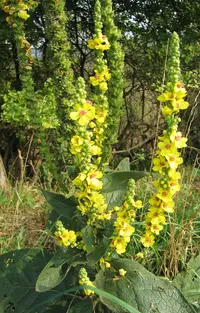
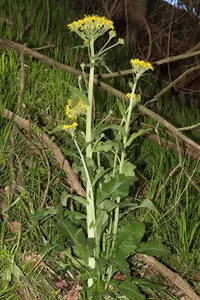
Dark mullein (Verbascum nigrum) is a short-lived perennial or biennial herb grown mainly for its tall, colorful flower spikes and rosette of rough leaves. It typically forms a low basal rosette in its first year, then sends up upright flowering stems in the second year that attract bees and other pollinators.
In the wild, it occurs across parts of Europe and western Asia, often in dry meadows, roadsides, and open woodland edges. This background makes it generally undemanding in gardens.
Dark mullein prefers full sun, well-drained soil, and moderate moisture, which makes it suitable for low-maintenance borders and naturalistic plantings. For gardeners learning how to care for Dark Mullein, its main needs are sun, drainage, and avoiding heavy, waterlogged sites.

Care Difficulty
Easy Care

Light Preference
Full Sun

Water Requirements
Low Water

Temperature Preference
Cold Hardy

Hardiness Zone
4–8

Soil Texture
Sandy, Loamy, Rocky

Soil pH
Slightly acidic (6.5–7.0), Neutral (7.0)

Soil Drainage
Well-drained

Fertilization
Minimal (feed rarely)
Scan your plant to receive care tips personalized for your specific plant
Available on iOS and Android
Verbascum nigrum thrives in open, bright positions that mimic sunny meadows or borders.
This species prefers relatively dry conditions and is sensitive to excess moisture around the roots.
This hardy perennial tolerates a wide temperature range but performs best in moderate conditions.
Humidity is not a significant factor for Verbascum nigrum, which thrives in dry, open conditions typical of outdoor borders.
This species prefers lean, well-drained mineral soils that do not stay wet for long periods.
This species can be grown in containers if the pot is set up to prevent waterlogging and toppling.
Verbascum nigrum is adapted to lean soils and needs only light feeding in gardens.
Pruning helps Verbascum nigrum maintain a tidy shape and extend flowering.
This species is usually grown in the ground, with transplanting more common than container repotting.
Verbascum nigrum is most commonly propagated from seed under suitable conditions.
This is a hardy perennial that usually needs minimal winter care in most temperate climates.

Plant Health Check
Not sure what's wrong with your plant? Check your plant's health inside the app.
The deep purple to almost black centers of its yellow flowers are formed by densely colored stamens, creating a strong visual contrast that helps attract specific pollinators such as solitary bees and hoverflies.
In its first year, this species typically forms only a low, dark green rosette of leaves close to the ground, storing energy in its root system before sending up tall flowering spikes in the second year.
In the wild, this plant is frequently found on calcareous (lime-rich) soils, road verges, and dry grasslands, reflecting its adaptation to relatively nutrient-poor but well-drained, alkaline sites.

Historical herbals from Europe distinguished this dark-flowered species from other mulleins and sometimes associated it with protective or warding properties in folk practices, reflecting how small differences in flower color influenced traditional plant lore and naming.
This species is highly attractive to bees, hoverflies, and some butterflies due to its nectar-rich, open flowers. Planting it in a sunny, low-spray area supports beneficial insects and increases overall pollination in the garden.
Keep your plants happy and healthy with plant identification, disease detection, and easy care guidance.