


Establish dry microclimate
Plant on a south- or west-facing slope, mound, or raised berm so water drains away quickly and the crown stays dry, which greatly reduces root and crown rot in caring for woolly bluecurls.

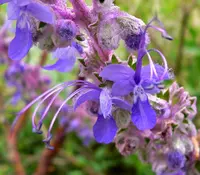
Woolly bluecurls (Trichostema lanatum) is an evergreen shrub from dry, rocky habitats of coastal California chaparral and foothills. It is adapted to hot, sunny conditions and lean soils.
The plant forms a rounded mound with aromatic, resinous foliage and fuzzy, curled blue-violet flower spikes that attract bees and hummingbirds. The flowers and stems often have a woolly texture.
This species prefers full sun, fast-draining soil, and low to moderate water, especially once established. It dislikes heavy, wet conditions and poorly drained sites.
Gardeners who care for woolly bluecurls should know it is long-lived when kept dry in summer and undisturbed, but it can decline quickly if overwatered or frequently transplanted.

Care Difficulty
Moderate Care

Light Preference
Full Sun

Water Requirements
Low Water

Temperature Preference
Warm Climate

Hardiness Zone
8–10

Soil Texture
Sandy, Loamy, Rocky

Soil pH
Slightly acidic (6.5–7.0), Neutral (7.0)

Soil Drainage
Well-drained

Fertilization
Minimal (feed rarely)
Scan your plant to receive care tips personalized for your specific plant
Available on iOS and Android
This sun-loving California native thrives in bright, open conditions similar to its natural chaparral habitat.
This drought-adapted shrub prefers infrequent, deep watering and fast-drying soil.
This species is adapted to mild, dry climates with warm days and cool, frost-free or light-frost winters.
This shrub is adapted to dry air, so humidity is rarely a concern when growing woolly bluecurls outdoors.
This species needs lean, very fast-draining, often sandy soil to prevent root rot.
This plant can be grown in containers if the potting setup mimics its naturally sharp drainage.
This California native shrub, commonly called woolly bluecurls, generally needs minimal fertilizer in well-drained, lean soils.
Light, well-timed pruning helps maintain the natural form and flowering performance of Trichostema lanatum.
This drought-adapted shrub is best grown in the ground and dislikes frequent disturbance of its root system.
Propagation of this species is possible but somewhat challenging, so expect variable success rates.
This shrub prefers mild, dry winters and can suffer damage in climates with hard freezing conditions.

Plant Health Check
Not sure what's wrong with your plant? Check your plant's health inside the app.
This species is native to coastal and inland chaparral of southern California and northern Baja California, where it thrives on dry, rocky slopes and in poor, well-drained soils that many other shrubs cannot tolerate.
Its stems and flower calyces are densely covered with fine, wool-like hairs that help reduce water loss, buffer temperature extremes, and protect sensitive tissues from intense sun in its Mediterranean-type climate.
The foliage releases a strong, resinous fragrance when touched because the leaves contain abundant essential oils that likely deter herbivores and may reduce fungal growth on plant surfaces.

This species is strongly fire-adapted and can be killed outright by intense chaparral wildfires, but it persists in the landscape by reseeding into recently burned, open areas, where increased light and reduced competition favor its germination and establishment.
This shrub is highly attractive to native bees, honeybees, and hummingbirds due to its abundant nectar-rich flowers. It works well in pollinator gardens and helps support local insect diversity over a long blooming season.
Keep your plants happy and healthy with plant identification, disease detection, and easy care guidance.

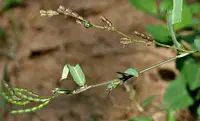
Alysicarpus
Alysicarpus monilifer
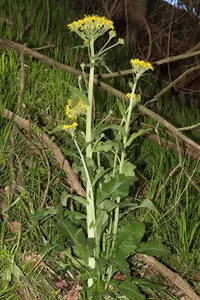
Tephroseris balbisiana
Tephroseris balbisiana
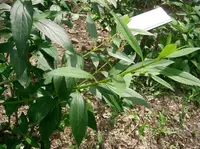
weeping forsythia
Forsythia suspensa
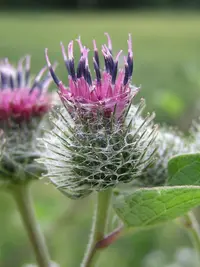
woolly burdock
Arctium tomentosum
yellow rock rose
Helianthemum marifolium
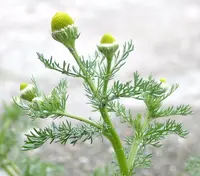
pineapple weed
Matricaria discoidea
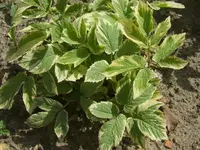
Bishop's Weed
Aegopodium podagraria 'Variegatum'
Orange blossom orchid
Sarcochilus falcatus