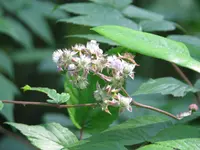
yellow rock rose Care (Helianthemum marifolium)

yellow rock rose

About yellow rock rose

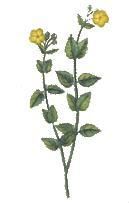
Yellow rock rose, Helianthemum marifolium, is a low, woody perennial shrub known for its small, bright yellow, rock-rose type flowers. It forms compact, spreading mats with narrow, often gray-green leaves that suit rock gardens and sunny slopes.

This species is native to dry, rocky habitats in parts of Europe and the Mediterranean region, where it thrives in poor, well-drained soils. Its drought tolerance and preference for full sun make it relatively low-maintenance once established, which helps simplify how to care for yellow rock rose.

Main Plant Requirements

Care Difficulty

Easy Care

Light Preference

Full Sun

Water Requirements

Low Water

Temperature Preference

Warm Climate

Hardiness Zone

8–11

Soil Texture

Sandy, Loamy, Rocky

Soil pH

Slightly acidic (6.5–7.0), Slightly alkaline (7.0–7.5)

Soil Drainage

Well-drained

Fertilization

Minimal (feed rarely)

Get Personalized Care Plan

Scan your plant to receive care tips personalized for your specific plant

Available on iOS and Android

How to Care for the yellow rock rose

This sun-loving shrub needs strong light to flower well and stay compact.

  • Provide 6–8 hours of direct sun daily; full sun is best for abundant blooms in yellow rock rose.
  • Accepts light afternoon shade in very hot regions, but dense shade causes leggy growth and weak flowering.
  • In winter, ensure the site is as open as possible so low-angle sun reaches the plant, avoiding overshadowing by taller shrubs or buildings.

This drought-tolerant subshrub prefers infrequent, deep watering rather than constant moisture.

  • Allow the top 3–5 cm of soil to dry before watering; in established plants, this may mean waiting until foliage just begins to look slightly dull.
  • Use sharply drained, gritty soil so water runs through quickly; pooling or a sour smell signals poor drainage and risk of root rot in Helianthemum marifolium.
  • Reduce watering in cool, wet seasons and after heavy rainfall, but water during extended dry spells if leaves curl, wilt, or crisp at the edges.

This Mediterranean-type plant prefers mild conditions but copes with a wide outdoor temperature range.

  • Ideal growing temperatures are 60–75°F (16–24°C), with strongest flowering in stable spring and early summer conditions.
  • Mature plants often tolerate brief drops to about 10–15°F (-12 to -9°C) if soil drains well, but young plants are more vulnerable to hard frost.
  • Handles dry heat up to 90–95°F (32–35°C) if roots are mulched and soil is not waterlogged, but prolonged extreme heat can shorten flowering.

This species prefers dry, low-humidity conditions close to outdoor air.

  • Aim for 30–50% humidity, similar to typical heated indoor air or dry outdoor climates.
  • Yellow rock rose tolerates very dry air and usually shows stress only if kept in constantly damp, stagnant conditions.
  • If foliage stays limp or develops gray mold, improve air movement, reduce nearby evaporation sources, and space plants for faster leaf drying.

Helianthemum marifolium needs light, fast-draining soil that never stays wet for long.

  • Use a sandy or gravelly mix, such as 50–60% coarse sand or grit blended with lean garden soil and a small amount of compost.
  • Ensure very rapid drainage; water should pass through the mix within seconds and not pool on the surface.
  • Keep pH slightly alkaline to neutral, around 7.0–8.0, which often occurs in soils with added limestone chips or grit.
  • Avoid heavy clay, peat-heavy, or compacted mixes that stay soggy, and loosen any dense areas with extra grit or perlite to improve aeration.

This species is suitable for containers, especially in sunny, dry locations.

  • Choose a wide, shallow pot to match the spreading root system and keep the mix from staying wet in the lower layers.
  • Use a heavy terracotta or stone container if grown in windy spots to stabilize the low, spreading plant mass.
  • Elevate the pot slightly on feet or bricks so drainage holes clear quickly and runoff does not re-soak the root zone.

Helianthemum marifolium needs only modest feeding when grown in average, well-drained soil.

  • Use a light application of balanced slow-release fertilizer (around 10-10-10) in early spring as new growth starts.
  • Alternatively, top-dress with a thin layer of mature compost, keeping it away from direct stem contact.
  • Feed once per growing season; avoid midsummer and late-season applications that stimulate soft growth.
  • If using liquid fertilizer, dilute to 1/2 strength and skip feeding in winter dormancy.

Helianthemum marifolium responds well to light, timely pruning that maintains a compact, flowering mound.

  • Prune just after the main flowering flush in late spring or early summer to avoid removing next buds.
  • Use clean, sharp hand pruners to trim back spent flowering stems by 1/3, shaping the cushion-like form.
  • Remove dead, damaged, or very woody stems at the base to encourage fresh, vigorous shoots.
  • Avoid cutting into old, leafless wood, as this can reduce regrowth and weaken the plant over time.

This species is more often transplanted in the garden than grown long term in containers.

  • Transplant in early spring or early fall so roots establish in mild temperatures and moderate moisture.
  • Choose a sunny, sharply drained site; mix grit or coarse sand into heavy soil to prevent waterlogging stress.
  • Move plants only when root-bound, growth declines, or roots circle the pot; Helianthemum marifolium dislikes frequent disturbance.
  • Water thoroughly after transplanting, then keep soil lightly moist for 1–2 weeks to limit transplant shock.

Helianthemum marifolium is commonly propagated by semi-ripe cuttings and sometimes by seed.

  • Take semi-ripe stem cuttings in late summer, 5–8 cm long, from non-flowering shoots.
  • Remove lower leaves, dip the cut end in rooting hormone, and place in a gritty, free-draining mix under bright, indirect light.
  • Keep humidity moderate and the medium just barely moist; roots usually form in several weeks.
  • Sow seeds in spring on the surface of well-drained mix, providing light and cool to mild temperatures for germination.

This small shrub is generally cold hardy in temperate climates and needs only modest winter attention.

  • In regions colder than its hardiness range, add a 3–5 cm layer of mulch around, not on, the crown to buffer soil temperature.
  • Avoid heavy, soggy soils in winter; good drainage is more important than extra warmth for survival.
  • For container plants, move pots to a sheltered, unheated but frost-moderated spot and reduce watering.

Care Tips

Encourage Spreading Habit

Lightly pinch back the longest, lax stems after flowering to promote a denser, mat-forming habit and reduce the chance of the center becoming woody and open.

Gravel Mulch Band

Apply a 2–3 cm band of coarse grit or small gravel around the crown to keep stems dry at the base, which helps prevent rot in wet periods and keeps foliage clean from splashing soil.

Slope And Edge Placement

Plant on a slight slope, berm, or at the top edge of a wall so excess water drains quickly away from the crown, which significantly improves long-term survival in rainy climates.

Targeted Winter Protection

In colder or very wet winters, lay a sheet of horticultural fleece or a simple open rain cover over the planting during extended wet freezes, removing it on milder days to maintain airflow.

Succession Rejuvenation

Every 3–4 years, take short, semi-ripe tip cuttings in late summer from the healthiest outer stems and root them in a gritty mix so you can replace older, woody plants and maintain a vigorous planting when growing yellow rock rose.

Common Pests and Diseases

Leaf spot

This disease causes small brown to dark purple lesions on leaves, often with a dry, papery center, especially in damp weather. Symptoms include premature yellowing and drop of older foliage, which reduces flowering and vigor.

Solution

Remove and discard affected leaves, improve air circulation by lightly thinning crowded stems, and avoid overhead watering so foliage dries quickly. In persistently wet climates, a copper- or chlorothalonil-based fungicide labeled for ornamental perennials can be used preventively in early spring, following label directions carefully.

Downy mildew

This disease produces yellow to pale green patches on the upper leaf surface and a grayish, downy growth on the underside during cool, humid periods. Symptoms include leaf curling, distortion, and eventual leaf drop, which can thin out the mat-forming habit of the plant.

Solution

Promptly remove heavily affected shoots and fallen leaves, and ensure good spacing and airflow around the plant. Water at the base in the morning, and in severe or recurring cases, apply a phosphonate or copper fungicide labeled for downy mildew on ornamentals, rotating products to reduce resistance risk.

Aphids

These insects cluster on young shoots and flower stems, sucking sap and causing distorted new growth and sticky honeydew on leaves. This pest can reduce flowering and attract sooty mold on the sugary deposits.

Solution

Dislodge colonies with a strong stream of water and prune off heavily infested shoot tips. For ongoing problems, use insecticidal soap or a light horticultural oil thoroughly on stems and leaf undersides, repeating every 5–7 days as needed while protecting beneficial insects as much as possible.

Spider mites

These pests thrive in hot, dry sites, causing fine stippling, a dull grayish cast to the foliage, and very fine webbing between leaves and stems. Symptoms include gradual thinning of the foliage mat and reduced flowering if populations become high.

Solution

Increase humidity around the plant by occasional overhead rinsing in the morning and hose down foliage regularly to physically remove mites. If damage continues, apply insecticidal soap or a miticide labeled for ornamental plants to both leaf surfaces, repeating according to label directions until new growth appears clean.

Gray mold (Botrytis)

This disease develops in cool, wet conditions, leading to soft, brown areas on stems, buds, and flowers that soon become covered with fuzzy gray mold. Symptoms include blighted flower clusters and dieback of tender shoot tips, especially in dense groundcover plantings.

Solution

Cut out and discard all affected tissue, including several cm of apparently healthy stem below the infection, and remove spent flowers promptly. Improve drainage and airflow, avoid wetting foliage late in the day, and in severe outbreaks use a labeled ornamental fungicide for Botrytis, applied preventively during prolonged wet spells as part of broader Helianthemum marifolium care.

Interesting Facts

Mediterranean sand specialist

This species naturally occurs on coastal and inland sandy soils around the western Mediterranean, where it is adapted to nutrient-poor, well-drained substrates that heat up quickly in full sun.

Flowering after disturbance

Populations are often associated with open, disturbed habitats such as fire-affected scrub or recently cleared areas, where increased light and reduced competition allow dense flowering patches to develop.

Sun-activated blossoms

The bright yellow flowers typically open fully only in direct sunlight and tend to close or become less conspicuous under cloud cover, a behavior that helps protect pollen from moisture and low temperatures.

FAQs about yellow rock rose

This species often flowers in a long flush from late spring into summer, sometimes with a lighter repeat later if conditions stay warm and bright. Individual blooms are short‑lived, but new buds open continually over the season.

Grow Healthy Plants with Botan Care

Keep your plants happy and healthy with plant identification, disease detection, and easy care guidance.

Botan plant care app — identify plants on mobile

Explore More Plants