Mark Dormancy Pot
Insert a weatherproof tag with the species name and planting depth when bulbs go dormant so the pot is not accidentally reused, watered heavily, or disturbed while the bulbs are resting underground.

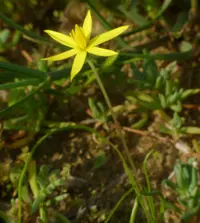
Stars (Pauridia capensis) is a small bulbous plant from South Africa, grown mainly for its star-shaped white or yellow flowers. It forms low clumps of narrow leaves, with blooms opening in good light and closing again in dull conditions, which gives it a distinctive look on bright days. In cultivation it suits containers or small rock gardens where its compact, seasonal growth can be managed easily. It prefers bright light, relatively dry rest periods, and sharply drained soil, so those conditions are key to understand how to care for Stars.

Care Difficulty
Moderate Care

Light Preference
Full Sun

Water Requirements
Moderate Water

Temperature Preference
Tropical / Frost Sensitive

Hardiness Zone
10–11

Soil Texture
Sandy, Loamy, Organic-rich

Soil pH
Acidic (5.5–6.5), Slightly acidic (6.5–7.0)

Soil Drainage
Well-drained

Fertilization
Minimal (feed rarely)
Scan your plant to receive care tips personalized for your specific plant
Available on iOS and Android
This small winter-growing bulb needs bright, cool-season light to flower well outdoors.
This species prefers a distinct wet winter–dry summer cycle that matches its natural habitat.
This bulb thrives in mild, Mediterranean-type climates with cool, bright winters and dry summers.
This bulb prefers moderately dry air and does not need elevated humidity.
This small bulb needs sharply drained, sandy soil that never stays wet for long.
This compact geophyte suits container growing very well.
Pauridia capensis is a small bulb that benefits from modest feeding during active growth but not in dormancy.
Pauridia capensis needs minimal pruning, mainly to keep foliage tidy and reduce disease risk.
Container-grown plants and bulb clumps benefit from occasional lifting or repotting to maintain vigor.
Pauridia capensis is most often propagated from seed or by separating small bulbs formed around the parent.
This mild-climate bulb dislikes hard freezes but can tolerate light frost if soil drainage is very good.

Plant Health Check
Not sure what's wrong with your plant? Check your plant's health inside the app.
This species survives the dry South African summer as a small underground bulb, entering dormancy when moisture is scarce and resprouting with foliage and flowers when autumn rains return.
In its native winter-rainfall habitat, flower spikes often appear rapidly after early-season rains, an adaptation that allows the plant to take quick advantage of short favorable growing periods.
The star-shaped yellow flowers provide both visual contrast and accessible nectar, supporting small insects such as solitary bees and flies that are active in the cool, bright winter conditions of the Cape region.

Pauridia capensis belongs to a geophytic plant group that has diversified extensively in the Cape Floristic Region, contributing to one of the highest concentrations of bulbous plant species found in any temperate area of the world.
This bulb usually flowers in late winter to early spring, depending on climate and planting time. Blooming often lasts several weeks, with individual flowers opening in succession rather than all at once.
Keep your plants happy and healthy with plant identification, disease detection, and easy care guidance.