Mark Dormant Sites
After foliage yellows and dies back, place small labels or gravel markers where bulbs are planted so later cultivation or planting does not damage the dormant clumps.

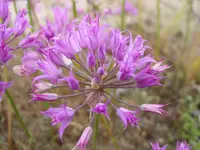
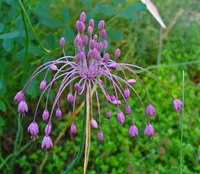
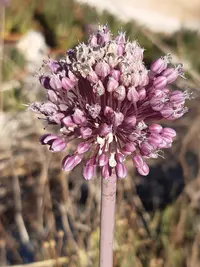
Tapertip onion, Allium acuminatum, is a small bulb-forming perennial in the onion family, native to dry, open habitats of western North America. It typically produces narrow, grasslike leaves and slender stems topped with loose clusters of pink to rose-purple, nodding star-shaped flowers. The plant grows from bulbs that rest dormant through dry or cold seasons, then leaf and bloom when conditions improve. It adapts well to rock gardens, dry borders, and naturalistic plantings where soil drains quickly. Once established, it is relatively low-maintenance, and gardeners who learn how to care for tapertip onion usually find it a reliable, drought-tolerant accent.

Care Difficulty
Easy Care

Light Preference
Full Sun

Water Requirements
Low Water

Temperature Preference
Cold Hardy

Hardiness Zone
4–9

Soil Texture
Sandy, Loamy, Rocky

Soil pH
Slightly acidic (6.5–7.0), Neutral (7.0)

Soil Drainage
Well-drained

Fertilization
Minimal (feed rarely)
Scan your plant to receive care tips personalized for your specific plant
Available on iOS and Android
This small bulb prefers open, sunny sites that mimic its native dry slopes and grasslands.
This species is adapted to dry conditions and needs careful watering to avoid bulb rot.
This hardy bulb tolerates a wide temperature range but performs best with cool to warm growing seasons.
Humidity is not a critical factor for this drought-adapted bulb.
Allium acuminatum prefers lean, fast-draining mineral soil that never stays wet for long.
This species can be grown in containers if drainage is sharply improved and bulbs are not crowded.
Allium acuminatum needs minimal feeding, especially in reasonably fertile, well-drained soil.
Pruning needs for Allium acuminatum are limited and mainly focus on cleanliness and seed control.
Tapertip onion is usually grown in garden beds, with transplanting focused on clump management rather than frequent pot changes.
Allium acuminatum is commonly propagated by bulb division and by seed in suitable conditions.
This species is generally cold hardy in much of the US and needs little specific winter care once established.

Plant Health Check
Not sure what's wrong with your plant? Check your plant's health inside the app.
The flower clusters of this species hang in a loose, drooping umbel, giving each pink to rose-purple flower a nodding appearance that helps distinguish it from many other upright-flowering wild onions.
This onion is naturally adapted to dry, open habitats such as sagebrush steppe, pine woodlands, and rocky slopes across western North America, where it completes most of its growth early in the season before soils fully dry out.
The nectar- and pollen-rich flowers attract a range of native solitary bees and small butterflies, making it a useful native bulb for supporting local pollinator communities when growing tapertip onion in wildflower-style plantings.

Unlike many cultivated onions, this species forms relatively small, tapered bulbs that were traditionally dug and eaten by several Indigenous peoples of western North America as a seasonal wild food, often roasted or pit-cooked to soften their strong flavor.
Lack of flowering often comes from bulbs being too shaded, planted too deep, or depleted after previous blooms. Ensure full sun, moderate fertility, and a dry rest after foliage dies back so buds can form for next season.
Keep your plants happy and healthy with plant identification, disease detection, and easy care guidance.