maritime wild leek Care (Allium commutatum)

maritime wild leek

About maritime wild leek

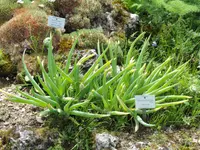
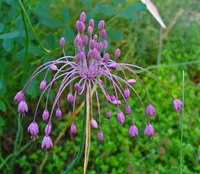
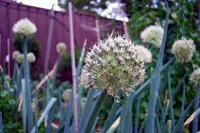
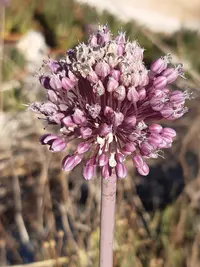
Maritime wild leek (Allium commutatum) is a bulb-forming perennial from rocky coastal habitats around the Mediterranean. It belongs to the onion and garlic group and has a similar scent. The plant forms tight bulbs and sends up tall, leafless stalks topped with dense, rounded clusters of purple to pinkish flowers. It is adapted to dry, exposed sites with salty winds and poor, stony soils. These traits make it relatively tough but also sensitive to heavy, wet substrates and deep shade. For those who want to care for maritime wild leek, it suits sunny positions, well-drained mineral soil, and moderate but not constant moisture.

Main Plant Requirements

Care Difficulty

Easy Care

Light Preference

Full Sun

Water Requirements

Low Water

Temperature Preference

Warm Climate

Hardiness Zone

8–10

Soil Texture

Sandy, Loamy, Rocky

Soil pH

Slightly acidic (6.5–7.0), Neutral (7.0)

Soil Drainage

Well-drained

Fertilization

Minimal (feed rarely)

Get Personalized Care Plan

Scan your plant to receive care tips personalized for your specific plant

Available on iOS and Android

How to Care for the maritime wild leek

This coastal bulb thrives in bright, open exposures with long hours of sun.

  • Provide 6–8 hours of direct sun daily; full sun suits flowering and dense foliage best.
  • It tolerates light afternoon shade in hot inland sites, but consistent partial shade reduces bulb strength and bloom quantity over time.
  • When caring for maritime wild leek, avoid dense shade from shrubs or buildings, which leads to weak, elongated leaves and fewer flower stems, especially in spring.

This Mediterranean bulb prefers relatively dry conditions and dislikes waterlogged soil.

  • Allow the top 3–5 cm of soil to dry between waterings; in the ground, rely mostly on rainfall once plants are established.
  • During active growth and flowering, water only when foliage begins to soften or curl slightly, then soak the root zone and let excess drain away.
  • Reduce watering sharply as leaves yellow and die back; Allium commutatum bulbs resting in wet, heavy soil are prone to rot and fungal issues.

This species is adapted to mild, maritime climates but shows good tolerance to seasonal variation.

  • Active growth and flowering occur best at 55–75°F (13–24°C), with cool, bright springs promoting sturdy leaves and strong stems.
  • Established bulbs tolerate short drops to about 20°F (-6°C) if soil is well drained, but repeated hard freezes can damage buds and reduce flowering next season.
  • In summer, the dormant bulbs handle 80–90°F (27–32°C) if soil stays dry; prolonged heat combined with wet conditions increases rot risk.

Humidity is not a critical factor for Allium commutatum, which thrives in dry, airy conditions at 30–50% humidity.

  • Tolerates dry indoor air well, as long as roots are not overwatered.
  • Watch for soft, rotting leaf bases or fungal spotting, which indicate excess moisture rather than low humidity stress.
  • Increase air movement around maritime wild leek with a small fan or open window to reduce stagnant, damp air.

Allium commutatum needs lean, sharply drained, mineral-rich soil that stays on the dry side between waterings.

  • Use a sandy or gritty mix, such as 50–60% coarse sand or grit blended with 40–50% loam-based compost.
  • Aim for slightly alkaline to neutral pH, roughly 7.0–8.0, avoiding strongly acidic substrates.
  • Improve drainage and aeration by adding horticultural grit or perlite rather than peat-heavy materials that retain water.
  • Avoid compacted, clay-heavy, or waterlogged sites, which quickly cause bulb rot and weak growth in Allium commutatum.

This species adapts well to container growing when bulbs are kept in a stable, free-draining potting environment.

  • Choose a deep, heavy terracotta pot that anchors the tall flower stalks and allows excess moisture to evaporate through the walls.
  • Plant bulbs close but not touching, leaving at least 2–3 cm of space from pot edges to reduce overheating and rot risk.
  • Elevate the container on pot feet so drainage holes stay clear and runoff moves away quickly after rain or watering.

Allium commutatum needs only modest feeding, as the bulbs store most required nutrients.

  • Use a light application of balanced NPK granular fertilizer or well-rotted compost in early spring as new growth starts.
  • Feed once more in mid-season if soil is poor, keeping total applications to 1–2 per growing season.
  • Apply fertilizers at half the package strength to avoid burning shallow roots around the bulbs.
  • Stop feeding once foliage begins to yellow and the plant moves toward dormancy, especially in maritime wild leek habitats.

Pruning needs for Allium commutatum are minimal and mainly focus on cleanliness and seed control.

  • In late summer or early fall, remove yellowed or collapsed foliage at the base using clean, sharp scissors or pruners.
  • Cut spent flower stems once blooms fade if seed production or self-sowing is not desired.
  • Leave healthy green leaves intact through the active season, as they feed the bulbs for next year’s growth.
  • Discard removed material rather than composting if any disease or rot is suspected.

This bulb is usually grown in the ground, so transplanting is more relevant than container repotting.

  • Lift and divide clumps every 3–5 years when flowering declines or bulbs crowd, ideally in late summer after foliage dies back.
  • In containers, check for roots circling the pot or reduced vigor; this indicates a need for moving to a slightly larger container.
  • Replant bulbs at the same depth in free-draining soil, spacing them so they do not touch to reduce disease risk.
  • Handle bulbs gently, keep roots shaded and slightly moist during the move, then water once to settle soil and limit stress.

Allium commutatum is commonly propagated by division of bulbs and by planting offsets rather than from seed.

  • Divide mature clumps in late summer or early fall, after foliage has fully withered and bulbs are dormant.
  • Gently separate offsets from the parent bulb, discarding any soft or diseased tissue before replanting.
  • Replant offsets in gritty, well-drained soil at roughly 2–3 times their bulb height, spacing for good air flow.
  • For seed propagation, sow fresh seed in trays outdoors, allowing natural winter cold to break dormancy and encourage germination.

This coastal allium is fairly cold hardy in mild to moderate climates and usually needs little winter care.

  • In regions colder than its native range, add a 5–7 cm layer of dry mulch over the bulb area after the soil cools.
  • Ensure soil drains well through winter, since persistent wetness around bulbs is more harmful than typical frost.
  • For container-grown plants, move pots to a sheltered, unheated spot where they stay cold but avoid saturated compost.

Care Tips

Bulb lifting schedule

In colder or very wet climates, lift bulbs after foliage dies back, dry them in a shaded, airy place for 7–10 days, then store in dry sand or vermiculite until replanting to prevent rot and maintain bulb vigor.

Salt and wind tolerance

Use its natural tolerance of salt spray and wind by placing clumps in exposed coastal beds or containers, but improve drainage slightly in inland sites to mimic its native rocky, maritime habitats when growing maritime wild leek.

Clump renewal

Every 3–4 years, dig and divide over-crowded clumps after dormancy, discarding any soft or damaged bulbs and replanting only the firm, medium-sized ones to keep flowering strong and reduce competition for nutrients.

Seed head management

If self-seeding is undesirable, remove spent flower heads before seeds mature, but leave some on the plant when naturalizing a slope or rock garden to allow gradual colony expansion.

Container drainage optimization

For container culture, create a 2–3 cm base layer of coarse grit or broken clay pots under the potting mix and raise the pot slightly on feet or bricks to keep the bulbs away from standing water and reduce the risk of basal plate rot.

Common Pests and Diseases

onion fly

This pest lays eggs at the base of the bulbs, and the emerging maggots tunnel into the tissue, causing yellowing and collapse of leaves. Symptoms include soft, decaying bulbs with a foul smell.

Solution

Use fine mesh insect netting over beds from early spring to prevent egg laying, and remove and destroy any infested bulbs to break the life cycle. Avoid leaving old bulb debris in the soil, and in small plantings you can use yellow sticky traps and shallow soil cultivation around plants to expose pupae to predators.

stem and bulb nematode

This pest is a microscopic worm that invades bulbs and leaf bases, leading to distorted, swollen tissues and stunted growth. Symptoms include spongy bulbs, yellowing foliage, and poor regrowth from stored bulbs.

Solution

Discard all suspicious, soft, or misshapen bulbs and never replant them, as nematodes persist in planting material. For clean stock, source bulbs from reputable suppliers, rotate away from alliums for several years, and in small collections consider hot-water treating bulbs if appropriate, following precise temperature and time guidelines.

downy mildew

This disease affects foliage, causing pale, yellow patches that later develop gray to violet fuzzy growth on leaf surfaces in cool, moist conditions. Over time, leaves wither prematurely, weakening the bulbs.

Solution

Improve air circulation around plants, avoid overhead watering, and water early in the day so leaves dry quickly. Remove heavily infected leaves, destroy plant debris after dieback, and if the problem is recurrent in a damp climate, use an appropriate copper-based fungicide as a preventative spray when cool, humid conditions are forecast.

botrytis leaf blight

This disease causes elongated pale or tan spots on leaves that may coalesce, leading to tip dieback and reduced vigor. Under humid conditions, fine gray mold may appear on affected tissue.

Solution

Collect and destroy infected leaves promptly and remove any dense weed growth around plantings to reduce humidity near foliage. Water at the soil level, not on the leaves, and maintain generous spacing between clumps; in severe or repeated cases, a fungicide labeled for botrytis on alliums can be applied preventively in wet periods.

bulb mites

These pests are tiny, soil-dwelling mites that feed on the basal plate and inner bulb scales, creating brown, corky damage and predisposing bulbs to secondary rots. Symptoms include poor emergence, weak shoots, and shrinking bulbs during storage.

Solution

Discard badly damaged bulbs and avoid storing bulbs in damp, poorly ventilated conditions where mites thrive. Before planting, inspect bulbs carefully, keep them in dry, cool, airy storage, and rotate planting sites so bulbs are not grown repeatedly in the same soil where mite populations can build up.

Interesting Facts

Floating bulb dispersal

This species often grows on Mediterranean sea cliffs and is adapted to dispersal by seawater; its mature bulbs can detach, fall into the sea, float, and then wash ashore to colonize new rocky sites.

Winter-active life cycle

In its native Mediterranean climate, leaves emerge and grow during the cool, moist winter, then die back as summer heat arrives, leaving only the dry inflorescence stems and bulbs visible.

Dense spherical flower heads

The plant produces compact, ball-shaped umbels of many small purple to pinkish-purple flowers on tall, leafless stalks, a structure that helps attract pollinators in exposed, windy coastal habitats.

Botan icon

Did you know?

Allium commutatum often occurs in large, almost pure stands on sea cliffs and offshore islets in the Mediterranean, where it can dominate the sparse vegetation and serve as a conspicuous seasonal marker of coastal plant communities.

FAQs about maritime wild leek

The bulbs and leaves are edible when correctly identified and harvested from clean, uncontaminated sites. Flavor is onion-like but stronger. Avoid eating ornamental look-alikes, and do not overharvest from wild coastal populations.

Grow Healthy Plants with Botan Care

Keep your plants happy and healthy with plant identification, disease detection, and easy care guidance.


Botan plant care app — identify plants on mobile

Explore More Plants