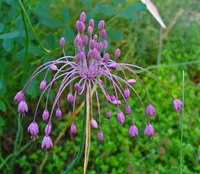
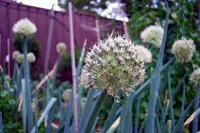
Spring Garlic Care (Allium subvillosum)

Spring Garlic

About Spring Garlic

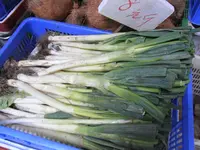
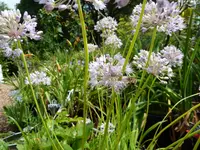
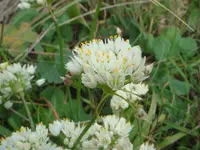
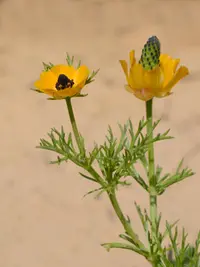
Spring garlic, Allium subvillosum, is a small bulb-forming perennial in the onion family, valued for its mild garlic scent and early-season growth. It forms clumps of narrow, grass-like leaves and bears clusters of white star-shaped flowers on short stems.

This species is native to Mediterranean regions, where it grows in open, sunny habitats with well-drained soils. Its hardy bulbs and simple structure make it relatively easy to cultivate, provided excess moisture is avoided.

Gardeners who want to learn how to care for Spring Garlic can focus on giving it good light, drainage, and moderate moisture, similar to other ornamental alliums.

Main Plant Requirements

Care Difficulty

Easy Care

Light Preference

Full Sun

Water Requirements

Moderate Water

Temperature Preference

Cool Climate

Hardiness Zone

7–10

Soil Texture

Sandy, Loamy, Rocky

Soil pH

Slightly acidic (6.5–7.0), Neutral (7.0)

Soil Drainage

Well-drained

Fertilization

Minimal (feed rarely)

Get Personalized Care Plan

Scan your plant to receive care tips personalized for your specific plant

Available on iOS and Android

How to Care for the Spring Garlic

This Mediterranean bulb favors bright conditions and clear seasonal light changes for strong flowering.

  • Provide 6–8 hours of direct sun daily; morning and midday sun suit Spring Garlic best in mild climates.
  • In hotter regions, give 3–4 hours of direct morning sun plus bright, filtered light after noon to prevent leaf scorch.
  • In winter dormancy, full sun still helps ripen bulbs, but low-angle light is usually sufficient if plants are outdoors and unshaded.

This bulb prefers brief moisture followed by drying, similar to its native Mediterranean climate.

  • Water when the top 3–5 cm of soil are dry, aiming for moist but never saturated soil around the active roots.
  • During active growth and flowering, water thoroughly, then let excess drain away; yellowing, soft leaves often indicate overwatering, while limp, crisp tips suggest drought stress.
  • In summer dormancy, reduce watering sharply for Allium subvillosum, giving only light sips if the soil risks staying bone dry for many weeks.

This species grows best with cool to mild winters and moderately warm, dry summers.

  • Active growth is strongest at 50–70°F (10–21°C), with flowering encouraged by a cool winter followed by a gentle spring warm-up.
  • Mature bulbs tolerate brief drops to around 20–25°F (-6 to -4°C) if soil drains well, but repeated hard freezes can damage developing buds.
  • In hot areas, plants handle 80–90°F (27–32°C) once foliage starts to die back, provided soils stay relatively dry during summer dormancy.

This species is adapted to dry Mediterranean air, so humidity control is rarely necessary for Spring Garlic.

This bulb prefers light, free-draining soil that mimics its native Mediterranean habitats.

  • Use a sandy or sandy-loam mix with low to moderate organic matter to prevent water retention around the bulbs.
  • Aim for slightly alkaline to neutral pH, around 7.0–7.8, avoiding very acidic substrates that can weaken growth.
  • Combine coarse sand or fine gravel with standard potting mix to improve aeration and speed drainage around the bulb plate.
  • Avoid heavy clay, compacted soil, or any mix that stays wet for more than 24 hours after watering to reduce rot risk.

Allium subvillosum grows reliably in containers when drainage and bulb depth are managed carefully.

  • Choose a pot at least 15–20 cm deep so bulbs can sit 2–3 times their height below the surface without crowding roots.
  • Use a rigid, heavier container (ceramic, clay, or thick plastic) to keep the tall flowering stems from tipping the pot in wind.
  • Fill the base of the pot with a shallow layer of coarse grit above the drainage holes to prevent fine mix from clogging them.

This Mediterranean bulb, often grown as Spring Garlic, benefits from light, targeted feeding rather than heavy fertilization.

  • Use a balanced, low-strength liquid fertilizer (e.g., 10-10-10) at half label rate during active spring growth.
  • Apply every 3–4 weeks while foliage is green and photosynthesizing well, then taper off as leaves yellow.
  • In the ground, incorporate a thin layer of compost around bulbs each spring instead of frequent synthetic feeds.
  • Do not fertilize during summer dormancy or winter; excess nutrients in this period can cause rot or weak regrowth.

Pruning Allium subvillosum is minimal and mainly supports plant health and tidy appearance.

  • In late spring or early summer, cut back spent flower stalks at the base to prevent unwanted self-seeding.
  • Remove yellowing or damaged leaves with clean, sharp scissors to reduce disease risk and improve air flow.
  • Leave healthy green foliage until it dies back naturally so the bulb can store energy for next season.
  • Disinfect tools with alcohol before and after use to limit spread of fungal or bacterial problems.

Transplanting this bulbous allium is infrequent and should be done thoughtfully to limit root disturbance.

  • Check clumps every 3–4 years; crowded bulbs, reduced flowering, or small leaves indicate a need to lift and divide.
  • Schedule transplanting for late summer to early fall, when bulbs are dormant and foliage has completely died back.
  • Gently lift clumps with a fork, separate firm, healthy bulbs, and replant at the same depth in well-drained soil.
  • Water lightly after transplanting, then keep soil just barely moist until new roots establish to reduce transplant shock.

Propagation of Allium subvillosum is commonly done by bulb division and, less often, by seed.

  • Divide mature clumps in late summer or early fall, when bulbs are dormant and foliage is absent.
  • Lift bulbs carefully, separate offsets by hand, discarding soft or diseased ones, and replant immediately.
  • For seeds, sow fresh in trays with gritty, free-draining mix, keeping them cool and evenly moist for germination.
  • Provide bright light, moderate moisture, and good air circulation for young plants to develop strong bulbs.

This allium is moderately cold tolerant and usually needs only light winter care in mild climates.

  • In USDA zones 8–9, bulbs typically overwinter in the ground without special protection if soil drains well.
  • Apply a 2–5 cm layer of loose mulch over the planting area in late fall to buffer temperature swings.
  • In colder zones or very wet winters, grow in containers and move pots to a cold, frost-free, well-lit shelter.

Care Tips

Bulb Spacing Strategy

Plant bulbs in small drifts with 8–10 cm between each to reduce competition for nutrients and light, which results in stronger flowering clumps over several seasons.

Rotate Planting Sites

Shift planting areas every 2–3 years to fresh ground that has not recently grown other alliums, which helps limit soil-borne disease buildup and onion fly pressure.

Timed Deadheading

Remove flower heads as soon as petals fade if seed is not needed so the plant diverts energy back into the bulb, improving vigor and flowering the following year.

Surface Mulch Management

Apply a thin, gritty mulch such as sharp sand or fine gravel around bulbs to keep the necks dry, reduce weed competition, and discourage slugs without trapping excessive moisture.

Mark Dormant Clumps

Place small, unobtrusive labels or stones where bulbs are growing so their positions remain visible during summer dormancy, which prevents accidental digging or overplanting when caring for Spring Garlic nearby.

Common Pests and Diseases

Onion thrips

This pest feeds by rasping leaf surfaces and sucking out sap, leading to silvery streaks, fine speckling, and gradual yellowing or drying of the foliage. Symptoms include reduced vigor and distorted or stunted leaves, especially in dry, warm weather.

Solution

Reduce dust and heat stress, then rinse foliage with a firm stream of water to dislodge insects, focusing on leaf bases. For heavier infestations, apply a neem oil or insecticidal soap spray directed into leaf sheaths and repeat every 7–10 days while monitoring nearby Allium species as well.

Bulb mites

These insects attack damaged or stressed bulbs, tunneling into the scales and basal plate and causing soft, corky spots and poor sprouting. Symptoms include weak shoots, deformed growth, and bulbs that feel spongy or hollow when squeezed.

Solution

Discard heavily infested bulbs, then dry and cure remaining bulbs well before replanting and avoid planting into very wet, compacted soil. Use clean potting mix or well-drained beds, rotate away from other Allium crops, and consider a hot-water bulb treatment (about 110°F for 10–15 min) if infestations recur and plant material tolerates it.

Downy mildew

This disease produces pale, yellowish patches on leaves followed by grey-violet, fuzzy growth on the leaf surface in cool, humid conditions. Symptoms include leaf collapse from the tips downward and a general decline in plant vigor.

Solution

Improve air circulation, water at the soil level in the morning, and avoid wetting foliage or crowding plants. Remove and destroy affected leaves, avoid overhead irrigation during cool periods, and use a copper-based fungicide labeled for Allium if disease pressure remains high, as part of broader Allium subvillosum care instructions.

Purple blotch

This disease causes elongated, sunken lesions on leaves that turn brown to purple with yellow halos, often starting on older foliage. Symptoms include premature leaf dieback, which can weaken bulbs and reduce flowering.

Solution

Remove and dispose of infected leaves as soon as lesions appear, and keep foliage dry by using drip irrigation rather than overhead watering. Space plants for good airflow, avoid high nitrogen fertilization, and rotate planting sites away from recent Allium beds for at least 2–3 years to reduce spore buildup.

Narcissus bulb fly

This pest lays eggs near Allium bulbs, and the large larvae tunnel inside, destroying internal tissue and causing sudden wilting or failure to emerge. Symptoms include hollow, decayed bulbs with a single large maggot or pupal case in the center.

Solution

Inspect bulbs before planting and discard any soft or tunneled bulbs, then plant at the recommended depth to make access harder for adult flies. Use fine mesh or horticultural fleece over vulnerable beds during peak egg-laying periods and promptly remove any plants that wilt suddenly to prevent larvae from completing their life cycle.

Interesting Facts

Mediterranean winter bloomer

This species is native to coastal Mediterranean regions, where it often flowers in late winter to early spring when many other herbs are still dormant.

Hairy-leaved adaptation

The leaves and scapes carry fine soft hairs, which help reduce water loss and may protect the plant from intense sun and drying winds in its native habitats.

Early-season pollinator resource

Its umbels of small white flowers provide one of the earlier nectar and pollen sources for bees and other insects in Mediterranean grasslands and disturbed sites.

Botan icon

Did you know?

Although it is an edible wild garlic, Allium subvillosum is locally valued more for its mild aroma and ability to naturalize in poor, stony soils than for bulk harvest, and it often forms loose colonies in old fields, roadsides, and rocky pastures where few other edible alliums thrive.

FAQs about Spring Garlic

Yellowing leaves often appear as bulbs age or after flowering, which is normal dieback. Premature yellowing usually indicates overwatering, compacted or waterlogged soil, or nutrient-poor conditions. Allow soil to drain well and avoid frequent, shallow watering.

Grow Healthy Plants with Botan Care

Keep your plants happy and healthy with plant identification, disease detection, and easy care guidance.

Botan plant care app — identify plants on mobile

Explore More Plants