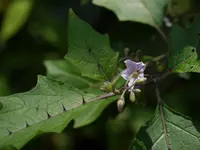
ornamental onion Care (Allium senescens)

Also known as: German garlic
ornamental onion

About ornamental onion

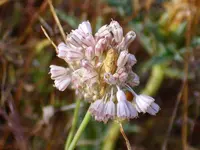
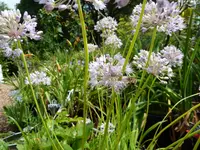
Ornamental onion, Allium senescens, is a compact, clump-forming perennial grown mainly for its neat mounds of foliage and round clusters of soft purple flowers. It stays relatively low and forms tidy, slowly spreading patches that suit borders, rock gardens, and containers.

This species is native to parts of Europe and Asia, where it grows in open, sunny, well-drained sites. It is generally robust, with good cold tolerance and few serious pests, which makes it straightforward for gardeners who want to learn how to care for ornamental onion.

It prefers full sun, moderate moisture, and light, free-draining soil, and often copes well with short periods of drought once established.

Main Plant Requirements

Care Difficulty

Easy Care

Light Preference

Full Sun

Water Requirements

Moderate Water

Temperature Preference

Cold Hardy

Hardiness Zone

4–8

Soil Texture

Sandy, Loamy, Rocky

Soil pH

Slightly acidic (6.5–7.0), Neutral (7.0)

Soil Drainage

Well-drained

Fertilization

Minimal (feed rarely)

Get Personalized Care Plan

Scan your plant to receive care tips personalized for your specific plant

Available on iOS and Android

How to Care for the ornamental onion

Allium senescens grows best in bright, open sites with consistent sun exposure.

  • Provide 6–8 hours of direct sun daily; morning and midday sun are ideal, with light afternoon shade in hotter regions.
  • Plant in a position that receives at least 4–5 hours of direct sun; flowering and compact growth decline in heavier shade.
  • In very hot summers, protect from harsh late-afternoon sun to avoid leaf scorch, but avoid deep shade that leads to weak, floppy foliage and fewer blooms.

This species prefers evenly moist but never waterlogged soil, with brief dry periods between waterings.

  • Outdoors in well-drained beds, water only when the top 3–5 cm of soil feels dry, using deeper, less frequent soakings instead of light daily splashes.
  • During active growth in spring and early summer, monitor rainfall; supplement only if the soil dries fully between rains to avoid bulb rot in Allium senescens.
  • Reduce watering in late summer to fall as foliage declines, keeping the soil just barely moist; yellowing, limp leaves can signal excess moisture and poor drainage.

This hardy perennial tolerates a wide temperature range but performs best in moderate conditions.

  • Optimal growing temperatures are around 60–75°F (16–24°C), supporting steady foliage growth and flowering.
  • Dormant bulbs tolerate winter lows near 0°F (−18°C) in well-drained soil, though mulch helps buffer freeze–thaw cycles.
  • In summer, plants handle up to about 85–90°F (29–32°C) if soil does not dry out completely; extended heat above this can stress foliage and shorten bloom duration.

This species tolerates a wide humidity range and usually does not need special humidity management indoors.

  • Target 30–50% relative humidity, similar to most heated or air-conditioned homes, for stable foliage performance.
  • Dry air rarely harms ornamental onion, but very hot, dry rooms can speed leaf tip browning and flower fade.
  • If air is below 25% for long periods, move the pot away from heat vents and group plants to slightly raise local humidity.

Allium senescens prefers a lean, well-aerated, fast-draining mineral soil that never stays waterlogged.

  • Use a gritty mix such as 50–60% sandy or loamy garden soil blended with 40–50% mineral amendments like coarse sand, fine gravel, or perlite.
  • Aim for slightly alkaline to neutral pH, around 6.8–7.5, which supports strong bulb and root development.
  • For pots, combine standard potting mix with at least 1⁄3 coarse sand or pumice to improve drainage and oxygen around the bulbs.
  • Avoid heavy clay, peat-heavy mixes that stay wet, or any soil that compacts, as this encourages bulb rot and fungal disease.

This species is well suited to container growing when drainage and root space are carefully managed.

  • Choose a wide, shallow to medium-depth pot to allow bulbs to spread laterally while preventing deep moisture accumulation.
  • Select a sturdy, heavier container material if the top growth becomes dense, to prevent tipping in windy outdoor settings.
  • Raise the pot on feet or bricks so drainage holes remain clear and excess irrigation water escapes quickly after rainfall or watering.

This hardy ornamental onion needs modest feeding to support flowering in average garden soil.

  • Apply a balanced slow-release fertilizer (around 10-10-10) at 1/2 strength in early spring as new growth starts.
  • In richer soils, use a thin layer of compost instead of granular fertilizer to avoid overly lush, floppy foliage.
  • For container-grown plants, feed with a diluted balanced liquid fertilizer every 4–6 weeks during active growth.
  • Stop feeding in late summer and avoid fertilizing during fall and winter dormancy to prevent weak, tender growth.

Pruning Allium senescens is simple and helps maintain compact mounds and clean blooms.

  • In late spring to early summer, remove spent flower stalks at the base with clean hand pruners to promote a tidy look.
  • Trim yellowing or damaged leaves at any time, cutting them close to the soil without injuring neighboring shoots.
  • In late fall, cut back dry foliage to ground level to reduce disease carryover and encourage fresh growth next season.
  • Avoid heavy midsummer cutting of healthy leaves, which can reduce photosynthesis and weaken the bulbs.

This bulb-forming perennial is usually grown in the ground, with transplanting done only when clumps become crowded or growth declines.

  • Check for tight, congested clumps or reduced flowering as signs that Allium senescens would benefit from lifting and division.
  • Plan transplanting for early spring or early fall, about every 3–5 years, when temperatures are mild and soil is workable.
  • Dig widely around the clump, lift gently, and separate bulbs or sections by hand to minimize root tearing and stress.
  • Replant divisions at the same depth in well-drained soil, water thoroughly, and keep evenly moist until re-established.

Allium senescens is most commonly propagated by division, with seeds used when increasing numbers more slowly.

  • Lift mature clumps in early spring or early fall, when temperatures are cool and plants are not in peak bloom.
  • Gently separate offsets and rooted sections by hand, ensuring each division has several bulbs and healthy roots.
  • Replant divisions into well-drained soil, spacing 10–15 cm apart, then water in to settle soil around roots.
  • For seed, sow in trays with gritty mix, keep lightly moist at 60–70°F, and expect a slower path to flowering-size plants.

This species is generally cold hardy and needs minimal winter care in most temperate gardens.

  • Tolerates typical winter frosts in USDA zones roughly 4–8 once established in well-drained soil.
  • Allow foliage to die back naturally in late fall, then cut it to ground level once fully dry.
  • In colder or exposed sites, add a 3–5 cm mulch layer over the root zone to buffer freeze–thaw cycles.
  • Container plants benefit from being moved to a sheltered, frost-free but cool location with very light watering.

Care Tips

Clump Division Timing

Divide congested clumps every 3–4 years in early spring or just after flowering to keep growth vigorous and maintain dense, tidy mounds.

Flower Stalk Management

Deadhead spent flower stalks down to the basal leaves to reduce self-seeding and direct more energy into root and foliage development.

Bulb Zone Protection

Apply a 2–3 cm layer of mineral mulch such as fine gravel around the crown to keep the bulb zone well drained while preventing soil crusting and splash that can spread disease.

Companion Spacing Strategy

Plant low, sun-loving companions 15–20 cm away so their foliage shades the soil but does not crowd the crown, which helps retain moisture without increasing rot risk when growing ornamental onion.

Rotation Against Pests

Avoid replanting in the exact same spot for several years if onion maggot or nematode issues appear, rotating to a fresh, well-drained bed to break pest and disease cycles.

Common Pests and Diseases

Onion thrips

This pest feeds by rasping the foliage and sucking sap, causing silvery streaks, tiny black specks, and gradual leaf yellowing and decline.

Solution

Spray foliage with a strong jet of water to dislodge insects, then apply insecticidal soap or a neem-based product, repeating every 5–7 days until new growth appears clean; reduce nearby grassy weeds that can host thrips and avoid overhead watering in the evening to limit humidity that favors population buildup.

Bulb mites

These insects attack bulbs at the basal plate, leading to soft, decaying tissue, poor emergence, and stunted or distorted leaves.

Solution

Discard severely affected bulbs, improve drainage, and avoid planting in heavy, wet soils; for mild infestations, lift and dry bulbs thoroughly, remove damaged tissue, and consider a hot-water treatment (around 104–113°F for 2 hours) before replanting, ensuring the bulbs are fully dry again afterward.

Downy mildew

This disease causes pale, yellowish lesions on leaves that later show gray to purplish fuzzy growth, leading to distorted foliage and premature dieback.

Solution

Remove and destroy infected leaves, improve spacing and airflow, and water at soil level in the morning to keep foliage dry; in regions with frequent cool, damp weather, consider rotating planting areas and using a labeled copper or phosphonate fungicide preventively when conditions favor infection.

Neck and bulb rot

This disease starts at the neck of the bulb, which remains soft and watery when lifted, and can progress to internal browning and collapse during storage.

Solution

Harvest only fully mature bulbs in dry weather, cure them in a warm, well-ventilated place for 10–14 days, and discard any with soft necks; store sound bulbs in a cool, dry location and avoid mechanical injury, which allows pathogens to enter, and rotate planting sites at least every 3–4 years away from other Allium crops.

Onion fly maggots

These insects lay eggs at the base of plants; larvae tunnel into roots and bulbs, causing sudden wilting, yellowing, and plant collapse, often with soft, rotten bulbs containing white maggots.

Solution

Remove and destroy affected plants and surrounding soil, use fine mesh or insect netting over beds during adult fly activity, and apply a band of horticultural sand or fine grit at the stem base to reduce egg-laying; rotating plantings away from previous Allium beds and promptly removing plant debris reduces future pressure when planning how to take care of ornamental onion in mixed borders.

Interesting Facts

Twisting blue foliage

This species forms low, twisting fans of blue-green, almost glaucous leaves, which stay attractive long after flowering and give the plant strong ornamental value even when not in bloom.

Late summer blooming

Unlike many ornamental alliums that flower in late spring, this species typically sends up its lilac-pink umbels in late summer to early fall, extending the season for pollinator-friendly blooms.

Compact, clump-forming habit

Allium senescens grows as a dense, slowly spreading clump rather than by aggressive bulbs or offsets, which makes it suitable for rock gardens, edging, and long-term container use without becoming invasive.

Botan icon

Did you know?

Allium senescens is native to parts of central and eastern Europe and Asia, where it naturally occurs in open, often rocky or grassy habitats, and this origin helps explain its good tolerance of wind, poor soils, and relatively dry conditions once established.

FAQs about ornamental onion

Lack of flowers usually comes from insufficient sunlight, overly rich nitrogen fertilizer, or bulbs planted too shallow or deep. Crowded clumps may also stop flowering and need division every few years for reliable blooming and better Allium senescens plant care.

Grow Healthy Plants with Botan Care

Keep your plants happy and healthy with plant identification, disease detection, and easy care guidance.

Botan plant care app — identify plants on mobile

Explore More Plants