Mediterranean onion Care (Allium paniculatum)

Mediterranean onion

About Mediterranean onion

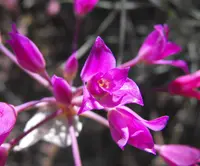
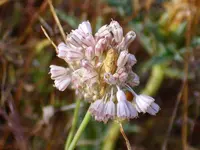
Mediterranean onion (Allium paniculatum) is a small bulb-forming perennial from the onion group, grown mainly for its delicate summer flower clusters. It produces slender, upright stems topped with loose heads of bell-shaped flowers in soft pink, purple, or white tones, usually above narrow, grassy foliage. In nature it occurs in dry, open habitats across Mediterranean regions and parts of central Europe, where soils are well-drained and summers are warm. The plant is generally undemanding, as long as the bulbs do not sit in waterlogged soil and receive plenty of light. Gardeners who want to care for Mediterranean onion should focus on drainage and a relatively dry rest period after flowering.

Main Plant Requirements

Care Difficulty

Easy Care

Light Preference

Full Sun

Water Requirements

Low Water

Temperature Preference

Cold Hardy

Hardiness Zone

4–9

Soil Texture

Sandy, Loamy, Rocky

Soil pH

Slightly acidic (6.5–7.0), Neutral (7.0)

Soil Drainage

Well-drained

Fertilization

Minimal (feed rarely)

Get Personalized Care Plan

Scan your plant to receive care tips personalized for your specific plant

Available on iOS and Android

How to Care for the Mediterranean onion

This bulb thrives in bright, open sites with plenty of direct sun during the growing season.

  • Provide 6–8 hours of direct sun daily; morning to early afternoon sun is ideal for strong stems and flowering.
  • Tolerates light partial shade (3–4 hours sun), but Mediterranean onion may stretch and flower less with reduced light.
  • In hot summers, avoid intense late-afternoon sun on very dry soils to limit leaf scorch; ensure unshaded exposure in spring when shoots first emerge.

This species prefers dry to moderately dry conditions and is sensitive to standing moisture around the bulbs.

  • Allow soil to dry so the top 3–5 cm feel dry before watering, then water deeply so it drains quickly through the root zone.
  • During active growth in spring, use slightly more frequent watering if rainfall is low; reduce sharply once foliage begins to yellow and die back.
  • Signs of excess water include soft, yellowing leaves and bulb rot smell; chronic underwatering shows as stunted growth and small, sparse flower clusters in Allium paniculatum.

This hardy ornamental onion is adapted to temperate climates with cool winters and warm, dry summers.

  • Active growth is strongest around 55–75°F (13–24°C); flowering and foliage development are reliable within this range.
  • Dormant bulbs tolerate winter cold down to about 0°F (−18°C) in well-drained soil; mulching helps buffer rapid freeze–thaw cycles.
  • Plants handle dry summer heat up to 90–95°F (32–35°C) if soil is not waterlogged, but prolonged heat with high humidity can increase bulb rot risk.

Humidity is rarely critical for this bulb, as it thrives in relatively dry air similar to outdoor garden conditions.

  • Target 30–50% humidity, which matches typical indoor and outdoor air in most homes.
  • Mediterranean onion tolerates dry air well as long as the soil is not kept wet for long periods.
  • If tips yellow while soil stays damp, reduce ambient humidity and increase air movement around the foliage.

Allium paniculatum prefers light, free-draining soil that prevents water from lingering around the bulbs.

  • Use a sandy or gritty loam with 30–50% mineral material such as coarse sand or fine gravel to keep the profile open.
  • Aim for slightly alkaline to neutral pH around 6.8–7.5, adding a small amount of garden lime if soil is strongly acidic.
  • Blend 1 part compost with 2 parts sandy topsoil and 1 part grit or perlite to improve drainage and aeration around the bulb plate.
  • Avoid heavy clay, compacted beds, or mixes rich in peat that hold water, as these conditions strongly increase the risk of bulb rot.

This species is well suited to container growing when the pot is set up to drain quickly and stay stable outdoors.

  • Choose a pot at least 20–25 cm deep so the bulbs sit twice their height below the rim with room for root spread.
  • Select a heavier material such as terracotta or ceramic to prevent tall flowering stems from tipping the container in wind.
  • Elevate the pot on feet or spacers so drainage holes stay clear and water can escape rapidly after rain or irrigation.

Allium paniculatum is a low-demand bulb that benefits from light feeding during active growth.

  • Apply a balanced, slow-release fertilizer (around 10-10-10) at planting or as shoots emerge in spring.
  • Use a modest rate, or half-strength liquid feed, to avoid lush, floppy growth and bulb rot.
  • Supplement with a thin layer of compost over the root zone once in spring for Mediterranean onion.
  • Stop feeding after flowering as foliage yellows, and avoid fertilizing dormant bulbs in fall and winter.

Pruning needs for Allium paniculatum are minimal and focus on cleanliness and seed control.

  • In late summer, remove spent flower stalks with clean, sharp scissors or pruners if self-seeding is not desired.
  • Allow green foliage to remain until it turns fully yellow or brown, then cut it at the base to feed the bulbs.
  • Trim only damaged or diseased leaves during the season to maintain plant health and airflow.
  • Do not cut healthy foliage early, as this can reduce bulb strength and flowering the following year.

This bulb is usually grown in the ground, so focus on lifting and transplanting clumps rather than frequent repotting.

  • Transplant clumps every 3–5 years when flowering declines, growth becomes crowded, or many small bulbs appear at the edges.
  • Lift bulbs in late summer to early fall, after foliage has died back and the soil is relatively dry.
  • Gently loosen soil, handle bulbs by the base, and replant at the same depth in well-drained ground or containers.
  • Water lightly after transplanting, then keep soil just barely moist to limit root stress and encourage re-establishment.

Allium paniculatum is commonly propagated by dividing bulbs and, less often, from seed.

  • Divide offsets in late summer to early fall, once foliage has died back and bulbs are dormant.
  • Carefully separate smaller bulbs from the parent, keeping basal plates intact, and replant at proper spacing and depth.
  • For seeds, sow fresh in fall in a well-drained, gritty mix and leave outdoors for natural winter chilling.
  • Maintain even, light moisture and full sun; expect seed-grown plants to take several years to flower.

This species is generally cold hardy in temperate climates and needs little winter care once established.

  • In zones with wet winters, ensure very free-draining soil to prevent bulb rot under prolonged saturation.
  • Apply a light, dry mulch layer after the ground cools to buffer freeze–thaw cycles, especially in exposed beds.
  • Grow Allium paniculatum in containers only in well-drained mixes and move pots to a sheltered, unheated area in very cold regions.

Care Tips

Bulb Marking Stakes

Place small, labeled stakes where each bulb is planted so you can avoid disturbing them during dormant periods when foliage disappears and still know exactly where to top-dress or divide clumps later.

Targeted Deadheading

Remove spent flower heads promptly but leave the foliage intact until it yellows naturally, which directs remaining energy back into the bulb and supports stronger flowering the following year.

Staggered Bulb Lifting

In heavier or poorly draining soils, lift only the most crowded clumps every 3–4 years after foliage dies back, then replant the firm, outer bulbs in fresh, gritty substrate to maintain flowering density without resetting the whole bed.

Integrated Pest Monitoring

Inspect foliage and stems every 1–2 weeks in spring for allium leaf miners, onion thrips, or rust spots, and remove or destroy affected leaves early to reduce pest buildup in the bulb and surrounding soil.

Dry-Summer Protection

In regions with wet summers, use a low, open-sided cloche or rain shield over the bulb area once foliage has died back to keep the soil drier around the resting bulbs, which improves long-term success when caring for Mediterranean onion.

Common Pests and Diseases

onion thrips

This pest feeds by rasping leaf surfaces and sucking sap, causing silvery streaks, tiny white patches, and fine black specks of frass on leaves and scapes.

Solution

Reduce nearby grassy weeds and old plant debris, then spray foliage with a firm jet of water and follow with insecticidal soap or neem oil, repeating every 5–7 days while activity persists; in garden beds, use reflective mulch or fine mesh row covers to limit re-infestation and rotate planting areas yearly.

allium leaf miner

This pest is a small fly whose larvae tunnel inside leaves and flower stalks, leaving winding mines, distorted growth, and internal rotting of affected tissue.

Solution

Remove and destroy infested leaves and bulbs immediately, then protect new growth with fine insect netting during the main flight periods and avoid leaving allium debris in the soil so that pupae do not carry over to the next season.

downy mildew

This disease causes yellowish, pale patches on leaves that later show gray to purple fuzz on the underside, often leading to leaf collapse in cool, damp conditions.

Solution

Remove and discard affected leaves, improve spacing and air movement around clumps, water at soil level in the morning, and avoid overhead irrigation; in areas with recurring pressure, use crop rotation with non-allium plants and apply a labeled copper-based fungicide preventively during prolonged wet weather.

white rot

This disease attacks the bulb and roots, causing yellowing leaves, plant collapse, and a white fluffy fungal growth with tiny black sclerotia around the base of the bulb.

Solution

Dig up and destroy all affected plants and nearby soil clods, never composting the material; avoid replanting any alliums in the same spot for at least 8–10 years and use only clean, certified bulbs when aiming to grow Allium paniculatum in previously unaffected beds.

Interesting Facts

Wide Eurasian range

This species occurs naturally from central and eastern Europe into western Asia, including the Balkans, Crimea, and parts of the Caucasus, where it grows in dry grasslands, open scrub, and rocky slopes.

Variable flower color

Inflorescences are loose, many-flowered umbels with small bell-shaped flowers that can range from white to pale pink or lilac, often with darker midveins on the tepals, giving the heads a subtly mottled look.

Bulb and bulbil strategy

Allium paniculatum forms small bulbs underground and may also produce bulbils (tiny vegetative bulbs) in the inflorescence, allowing it to persist and spread locally in suitable dry habitats.

FAQs about Mediterranean onion

Lack of flowers usually comes from insufficient sun, overcrowded bulbs, or nutrient-poor, very dry soil. Ensure full sun, space bulbs so they are not touching, and apply a light, balanced bulb fertilizer after flowering to support next year’s buds.

Grow Healthy Plants with Botan Care

Keep your plants happy and healthy with plant identification, disease detection, and easy care guidance.

Botan plant care app — identify plants on mobile

Explore More Plants