dogtooth violet Care (Erythronium americanum)

Also known as: yellow trout lily, trout lily, yellow dogtooth violet
dogtooth violet

About dogtooth violet

Dogtooth violet (Erythronium americanum) is a small spring-flowering bulb from woodland habitats in eastern North America. It is a perennial that disappears completely after its brief growing season.

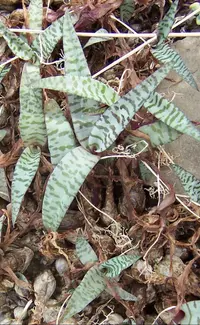
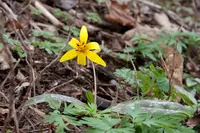
Plants form low rosettes of mottled, lance-shaped leaves and nodding yellow, lily-like flowers held on slender stems. As a spring ephemeral, it grows and flowers early, then goes dormant once tree canopies leaf out.

This species prefers cool, moist, humus-rich woodland soils and light shade, which can make it challenging in hot, dry, or exposed gardens. Understanding this natural rhythm is key to how to care for dogtooth violet.

Main Plant Requirements

Care Difficulty

Moderate Care

Light Preference

Partial Shade

Water Requirements

Regular Water

Temperature Preference

Cold Hardy

Hardiness Zone

3–8

Soil Texture

Loamy, Silty, Organic-rich

Soil pH

Acidic (5.5–6.5), Slightly acidic (6.5–7.0)

Soil Drainage

Moist but well-drained

Fertilization

Minimal (feed rarely)

Get Personalized Care Plan

Scan your plant to receive care tips personalized for your specific plant

Available on iOS and Android

How to Care for the dogtooth violet

This spring woodland bulb prefers cool, dappled light that mimics a deciduous forest floor.

  • Provide bright, filtered shade with 1–3 hours of gentle morning sun and no harsh afternoon sun, especially in USDA zones 6–8.
  • Plant dogtooth violet under deciduous trees so it receives more light in early spring before leaf-out, then deeper shade as the canopy fills in.
  • Avoid sites with full, exposed sun; foliage scorches, flowers fade quickly, and soil dries too fast, shortening the plant’s active season.

This species needs consistently moist but not waterlogged soil during its brief spring growth period.

  • Maintain evenly moist soil while leaves are present, letting only the top 2–3 cm dry slightly between natural rains or supplemental watering.
  • Ensure sharp drainage with humus-rich, loose soil; standing water causes bulb rot and yellowing, mushy leaves that collapse early.
  • Reduce or stop supplemental watering once Erythronium americanum foliage dies back in late spring, allowing the soil to become drier during summer dormancy.

This hardy woodland perennial is adapted to cool spring conditions and a marked seasonal temperature cycle.

  • Active growth is strongest in cool weather around 45–60°F (7–16°C), typical of early spring in much of its native range.
  • Bulbs tolerate winter cold down to about -20°F (-29°C) under insulating mulch or leaf litter, so frost and snow are generally not a problem.
  • Prolonged heat above 80°F (27°C) during active growth stresses plants; in hot climates, use deeper shade and mulch to keep soil cooler.

This woodland spring ephemeral prefers moderately moist, cool air but does not need tightly controlled humidity.

  • Aim for 40–60% humidity, similar to shaded outdoor conditions in spring woodlands.
  • Plants tolerate brief drier air but sustained indoor heating below 30% can desiccate leaves and flower buds.
  • Crisping leaf tips or limp foliage signal humidity stress; group pots and place trays with water and pebbles nearby to slightly raise local humidity when caring for dogtooth violet.

This species thrives in loose, humus-rich woodland soil that stays evenly moist yet well aerated.

  • Use a mix of roughly 50% leaf mold or compost, 30% loam, and 20% sharp sand or fine grit to mimic forest soil.
  • Ensure fast drainage so water does not stand around the bulbs, which are prone to rot in waterlogged conditions.
  • Maintain slightly acidic to neutral pH around 5.5–7.0, avoiding strongly alkaline, lime-heavy soils that can reduce nutrient availability.
  • For Erythronium americanum, incorporate coarse organic matter to create tiny air pockets and prevent compaction under mulch.

This species can be grown in containers, but it performs best when the pot closely mimics cool, deep woodland soil conditions.

  • Choose a tall, narrow container to provide vertical depth for the bulbs while limiting excess surface area that dries quickly.
  • Use thick-walled clay or stone pots outdoors to moderate temperature swings and keep the root zone cooler in spring sun.
  • Raise the container on pot feet or bricks so drainage holes stay clear and cool water can exit rapidly after rain or watering.

Erythronium americanum is a woodland bulb that needs only light, targeted feeding in rich, humusy soil.

  • Apply a thin layer of compost or leaf mold around clumps in early spring as growth emerges.
  • Use a gentle, balanced NPK fertilizer at 1/2 strength once in early spring for dogtooth violet in poorer soils.
  • Avoid granular high-nitrogen formulas that can scorch bulbs or stimulate weak, lush foliage.
  • Do not feed during summer dormancy or winter, as inactive bulbs cannot use added nutrients.

Pruning needs for Erythronium americanum are minimal and focus on cleanup rather than shaping.

  • Cut back only dead or badly damaged leaves at soil level after they yellow naturally in late spring.
  • Remove spent flower stems after blooming if seed is not desired, using clean, sharp scissors or snips.
  • Leave healthy foliage until it withers, allowing bulbs to store energy and flower reliably next year.

This woodland species is usually planted in the ground and dislikes frequent disturbance once established.

  • Transplant clumps only when flowering declines or bulbs appear crowded, typically every 5–7 years.
  • Move or divide bulbs in late summer to early fall, during full dormancy, for lowest root stress.
  • Replant bulbs at the same depth in loose, humus-rich, well-drained soil and water gently afterward.
  • If grown in containers, transplant when roots circle the pot, handling bulbs carefully and keeping the original soil level.

Erythronium americanum is most reliably propagated by division of mature bulb clumps, with seed used for long-term projects.

  • Lift and divide dormant bulbs in late summer to early fall, separating offsets by hand.
  • Replant divisions promptly in cool, moist, humus-rich soil at their original depth and spacing.
  • Sow fresh seed in shaded outdoor seedbeds or pots, keeping soil evenly moist and allowing natural winter cold to break dormancy.
  • Expect seed-grown plants to take several years to reach flowering size, so label and leave beds undisturbed.

This species is cold hardy in much of its range and usually needs little specific winter care in the ground.

  • Allow foliage to die back naturally after spring; bulbs then overwinter dormant below frost level.
  • In colder regions or exposed sites, add a light 3–5 cm layer of leaf mulch to moderate soil temperature.
  • Move containers into a sheltered, unheated space where temperatures stay just above freezing and soil drains well.

Care Tips

Mark Dormant Clumps

Flag or discretely label clump locations right after flowering so you avoid disturbing the shallow bulbs later when the foliage has vanished in summer dormancy.

Use Leaf-Litter Mulch

Apply a thin, loose layer of shredded deciduous leaves in late fall to mimic woodland duff, protecting bulbs from freeze–thaw cycles and gradually improving the humus content of the planting area.

Gentle Clump Division

Divide only well-established, crowded clumps right after foliage dieback by lifting the soil mass with a broad fork, separating offsets by hand, and replanting them at the same depth without letting the bulbs dry out.

Companion Groundcover Choice

Pair dogtooth violet with shallow-rooted, summer-dormant woodland perennials rather than aggressive groundcovers, so the bulbs do not have to compete with dense roots and mat-forming species.

Protect From Heavy Work

Keep foot traffic, edging tools, and deep cultivating away from known bulb zones, using a no-dig approach that relies on surface mulches rather than turning or spading the soil when caring for dogtooth violet.

Common Pests and Diseases

Slugs and snails

These pests chew irregular holes in the foliage and flowers, often leaving slime trails on or around the plants. Damage is most noticeable on young emerging leaves in cool, moist spring conditions.

Solution

Hand-pick slugs and snails in the evening or early morning, and use simple barriers such as copper tape or crushed eggshells around small clumps. In heavier infestations, place beer traps or iron phosphate slug baits nearby, and reduce hiding sites like boards, dense mulch, and debris close to the plants.

Leaf spot

This disease causes small brown to purplish spots on leaves that can merge into larger blotches, leading to premature yellowing. Symptoms include faster decline of foliage than normal after flowering.

Solution

Remove and discard affected leaves as soon as spotting appears, and keep overhead watering to a minimum so foliage dries quickly. Improve air circulation by avoiding overcrowding and heavy mulch on top of emerging leaves, and in severe recurring cases rotate planting areas or replace heavily affected clumps.

Bulb mites

These insects feed inside bulbs, weakening the plant and reducing flowering over time. Symptoms include poor emergence in spring, stunted growth, and bulbs that feel soft or show dry, crumbly tissue when lifted.

Solution

Lift and inspect bulbs from failing patches, discarding any that are soft, discolored, or heavily infested. Replant only firm, healthy bulbs into fresh, well-drained soil with plenty of leaf mold, and avoid storing bulbs in warm, damp conditions where mite populations increase quickly.

Gray mold (Botrytis)

This disease produces soft, water-soaked patches on leaves or flowers that soon develop fuzzy gray mold, especially in cool, wet springs. Symptoms include rapid collapse of affected tissues and spotting on petals.

Solution

Promptly remove and dispose of all moldy or collapsed foliage and any plant debris around the clump to reduce spores. Improve drainage and airflow, avoid overhead watering during cool weather, and where gray mold is chronic, thin surrounding vegetation so leaves dry faster after rain, which supports more reliable Erythronium americanum plant care in woodland-style beds.

Interesting Facts

Ant life partnership

The seeds have a fleshy oil-rich body called an elaiosome that attracts ants, which carry the seeds to their nests, eat the elaiosome, and leave the seeds in nutrient-rich waste piles that help them germinate.

Extremely slow maturity

From seed, this species often needs 4–7 years to produce its first flower, reflecting a very slow life cycle for a small woodland herb.

Leaves that disappear

Its mottled leaves are spring ephemerals, dying back completely by early summer as the plant retreats to its underground corm, which survives dormant until the following spring.

Botan icon

Did you know?

In many northeastern North American forests, large carpets of this species can dominate the early spring herb layer and significantly influence soil nutrient cycling by rapidly absorbing and then returning nutrients through its brief but intense period of above-ground growth.

FAQs about dogtooth violet

Lack of blooms often comes from immature bulbs, planting too deep, or insufficient spring light. Crowded clumps can also flower poorly. Divide and replant after foliage dies back, ensuring bulbs sit at the correct depth.

Grow Healthy Plants with Botan Care

Keep your plants happy and healthy with plant identification, disease detection, and easy care guidance.


Botan plant care app — identify plants on mobile

Explore More Plants