Mark Dormant Spots
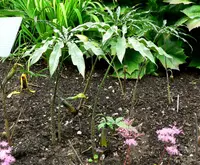
After foliage dies back, mark the exact tuber locations with durable labels or small stakes so you do not accidentally damage them when cultivating or planting nearby during the dormant season.

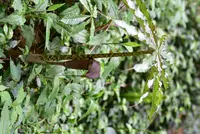
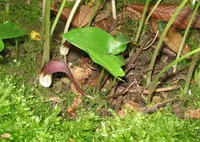
Taiwan cobra lily (Arisaema taiwanense) is a shade-loving woodland perennial from the cool, moist forests of Taiwan. It grows from a tuber and goes dormant in winter. The plant forms elegant divided leaves above a mottled stem, with a curved hooded spathe and a central spadix that give it a cobra-like look. In good conditions it slowly forms small clumps. It suits gardeners who enjoy unusual foliage and are comfortable with a plant that disappears completely after its growing season. It is moderately demanding, as it dislikes drying out and needs humus-rich, well-drained soil. Understanding how to care for Taiwan Cobra Lily helps keep it stable over many years.

Care Difficulty
Moderate Care

Light Preference
Partial Shade

Water Requirements
Keep Soil Moist

Temperature Preference
Cool Climate

Hardiness Zone
6–9

Soil Texture
Loamy, Silty, Organic-rich

Soil pH
Acidic (5.5–6.5), Slightly acidic (6.5–7.0)

Soil Drainage
Moist but well-drained

Fertilization
Light (every 4–6 weeks)
Scan your plant to receive care tips personalized for your specific plant
Available on iOS and Android
This woodland aroid prefers soft, filtered light that mimics a shaded forest floor.
Moist, cool, free-draining soil is essential for healthy growth during the active season.
This species prefers cool to mild conditions and does not tolerate extreme heat or hard frost while in active growth.
This species prefers moist, woodland-like air and benefits from moderately high humidity.
This woodland aroid needs loose, humus-rich soil that drains freely yet holds consistent moisture.
This species is suitable for container growing when the pot mimics a cool, moist, shaded woodland root zone.
This woodland tuber benefits from light, targeted feeding rather than heavy fertilization.
Arisaema taiwanense needs only minimal pruning focused on hygiene rather than shaping.
This species is usually grown in the ground, but container plants or crowded clumps benefit from careful transplanting.
Arisaema taiwanense is most practically propagated by division of tubers and offsets rather than from seed.
This woodland aroid is moderately cold hardy but benefits from some winter root-zone protection in colder regions.

Plant Health Check
Not sure what's wrong with your plant? Check your plant's health inside the app.
This species develops striking, mottled petioles in shades of green, brown, and purple that help camouflage the plant among leaf litter in its native Taiwanese mountain forests.
It is naturally found in cool, moist montane forests of Taiwan, often at higher elevations where summer temperatures are moderate and soils stay consistently humus-rich and well drained.
The hooded spathe and club-like spadix create a sheltered chamber with a faint, earthy scent that attracts small flies, which become temporary visitors and transfer pollen as they move between flowers.

Arisaema taiwanense produces a fleshy, underground tuber that allows the plant to die back completely above ground in winter and resprout from stored energy each spring, an adaptation that helps it survive cool, seasonally harsh mountain conditions.
Lack of bloom often comes from the tuber being too small, recent division, or insufficient winter dormancy. Cool, dry rest and several years of undisturbed growth are usually needed before consistent flowering develops.
Keep your plants happy and healthy with plant identification, disease detection, and easy care guidance.