coastal groundcherry Care (Physalis angustifolia)

coastal groundcherry

About coastal groundcherry

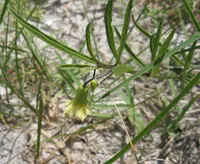
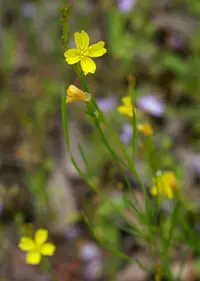
Coastal groundcherry (Physalis angustifolia) is a low, spreading perennial in the nightshade family, known for its papery husks that enclose small yellow fruits. It typically has narrow, gray-green leaves and forms loose clumps or patches that suit naturalistic or coastal-style plantings.

This species is native to sandy coastal areas of the southeastern United States, especially dunes and well-drained seaside habitats. Its tolerance of heat, salt spray, and dry, poor soils makes it relatively resilient once established.

Gardeners who want to care for coastal groundcherry should provide full sun, sharply drained soil, and moderate watering, avoiding consistently wet conditions. Under suitable conditions it can reseed and spread, so placement is important in managed gardens.

Main Plant Requirements

Care Difficulty

Easy Care

Light Preference

Full Sun

Water Requirements

Low Water

Temperature Preference

Warm Climate

Hardiness Zone

8–11

Soil Texture

Sandy, Loamy

Soil pH

Slightly acidic (6.5–7.0), Neutral (7.0)

Soil Drainage

Well-drained

Fertilization

Minimal (feed rarely)

Get Personalized Care Plan

Scan your plant to receive care tips personalized for your specific plant

Available on iOS and Android

How to Care for the coastal groundcherry

Physalis angustifolia needs bright, direct sun to flower and fruit well.

  • Provide 6–8 hours of direct sun daily, ideally with strong morning sun and lighter afternoon exposure, which suits coastal groundcherry in open, sandy habitats.
  • Plant in an open site; it tolerates light afternoon shade but may produce fewer flowers and fruits if sun drops below 4–5 hours.
  • In very hot inland summers, protect from intense late-afternoon sun to reduce leaf scorch, but avoid deep shade that causes weak, leggy growth.

This species prefers dry to moderately moist soil and is adapted to low water availability.

  • Allow the top 3–5 cm of soil to dry fully before watering; in sandy ground this may happen quickly, while in heavier soils it takes longer.
  • During the main growing and flowering season, watch foliage for early wilting, then water deeply and let excess drain away to encourage deep roots.
  • Reduce watering in cooler months; pale, soft, yellowing leaves or persistent soggy soil indicate overwatering, while crisp, curling leaves signal underwatering for Physalis angustifolia.

This coastal perennial prefers warm, frost-free conditions for reliable growth and fruiting.

  • Optimal growth occurs around 70–85°F (21–29°C), with steady warmth supporting flowering and fruit development through the growing season.
  • Plants tolerate short dips to about 30–32°F (-1–0°C), but repeated hard frosts can damage foliage and stems, especially in exposed sites.
  • Heat tolerance is good up to 95°F (35°C) if soil is not waterlogged; in very hot, dry spells, slight afternoon shade and maintained soil moisture help prevent stress.

This species handles low humidity well and rarely needs special humidity management.

Physalis angustifolia prefers light, fast-draining soil that mimics its native sandy habitats.

  • Use sandy or sandy-loam soil with at least 40–60% coarse sand to keep roots from staying wet.
  • Ensure very sharp drainage; mix in perlite or fine grit if using heavier garden soil.
  • Keep pH slightly acidic to neutral (6.0–7.2), avoiding strongly acidic or alkaline substrates.
  • Avoid dense, high-clay mixes or constantly wet organic-rich media, which promote root rot and poor aeration.

This species can grow in containers if the pot is prepared to match its dry, free-draining root conditions.

  • Choose a deep, relatively narrow pot to accommodate its taproot while limiting excessive lateral spread.
  • Select a coarse, gritty container mix so water moves quickly away from the root zone between irrigations.
  • Use a heavier or wider-based container outdoors to reduce tipping as stems branch and fruits develop.

This coastal native generally needs minimal feeding, but light nutrition can support flowering and fruiting in poor soils when caring for coastal groundcherry.

  • Use a balanced, slow-release fertilizer (for example 10-10-10) or a thin layer of compost in spring as growth starts.
  • Feed every 6–8 weeks during the main growing season if soil is very sandy or nutrient-poor.
  • Apply at half the label strength to avoid lush, weak growth and salt buildup in dry sites.
  • Stop fertilizing in late summer and avoid feeding in winter or during obvious dormancy.

Pruning Physalis angustifolia is simple and mainly focuses on keeping plants tidy and healthy.

  • Carry out main pruning in late winter or early spring before vigorous new growth starts.
  • Remove dead, damaged, or crossing stems first, then thin crowded shoots to improve air flow and light penetration.
  • Light tip-pinching of young shoots can encourage a bushier habit and more flowering sites.
  • Use sharp, clean hand pruners and make cuts just above a leaf node to reduce dieback and disease entry.

This species is most often grown in the ground, so focus on careful transplanting rather than frequent repotting.

  • Transplant in late winter to early spring when temperatures are mild and soil is workable.
  • Look for roots circling the pot, slow growth, or plants drying out quickly as signs container plants need a larger space.
  • Move up only 1 pot size, loosen circling roots gently, and keep as much native soil around the root ball as possible.
  • Water thoroughly after transplanting, then keep soil evenly moist (not waterlogged) for 1–2 weeks to limit transplant shock.

Physalis angustifolia is most commonly propagated from seed but can sometimes be increased by division in established clumps.

  • Sow fresh seeds in late winter to early spring in a well-drained, sandy mix kept at 65–75°F and lightly moist.
  • Provide bright light and good air circulation; avoid covering seeds too deeply, as light can support germination.
  • Transplant seedlings when they have 2–3 true leaves, handling by the leaves rather than stems to reduce damage.
  • For division, split mature, healthy plants in early spring, replanting sections promptly and watering to settle soil.

This coastal native is relatively cold tolerant in its preferred warm climates and usually needs little winter care.

  • In USDA zones near its natural range, plants often overwinter outdoors without extra protection if soil drains well.
  • Apply a light mulch layer around the root zone in late fall to moderate soil temperature and limit heaving.
  • In marginally colder areas, grow Physalis angustifolia in containers and move them to a frost-free, bright shelter during hard freezes.

Care Tips

Wind exposure management

Site plants where they receive good air flow but are shielded from constant strong onshore winds, using low windbreaks like fencing or shrubs to reduce sandblasting and stem damage.

Targeted fruit support

Once flowering begins, lightly mulch and level the soil surface so fallen or trailing stems and husked fruits rest on clean, dry ground, which reduces fruit rot and makes harvest easier.

Salt and sand monitoring

In very coastal sites, periodically brush or gently hose off accumulated salt spray and sand from foliage during cool morning hours to prevent leaf burn and clogged stomata, especially after storms.

Controlled self-seeding

Leave a limited number of ripe fruits to drop in preferred areas at the end of the season, then thin the resulting seedlings in spring, using this natural reseeding to renew the patch without overcrowding.

Pollinator-friendly spacing

Space plants in loose clusters with open gaps and avoid heavy pesticide use, encouraging native bees and hoverflies to visit more flowers and improve fruit set when growing coastal groundcherry.

Common Pests and Diseases

Whitefly

These insects feed on leaf sap and often build up on the undersides of leaves in warm, sheltered spots, especially on coastal groundcherry in protected garden beds. Symptoms include sticky honeydew, sooty mold on leaves, and general plant weakening.

Solution

Hose down the undersides of leaves with a strong stream of water to dislodge adults and nymphs, then use insecticidal soap or neem oil every 5–7 days until populations drop. Remove heavily infested leaves and avoid overfertilizing with high nitrogen, which encourages soft new growth that whiteflies prefer.

Aphids

These insects cluster on soft new stems, buds, and leaf undersides, sucking sap and causing curling or distortion of new growth. Symptoms include sticky honeydew, sooty mold, and a decline in vigor, especially on young plants or those in sheltered coastal sites.

Solution

Spray plants with a firm stream of water to remove aphids and repeat several times per week. If needed, follow with insecticidal soap or horticultural oil, making sure to coat new growth and leaf undersides, and encourage natural predators such as lady beetles by avoiding broad-spectrum insecticides.

Tomato yellow leaf curl virus

This disease is transmitted mainly by whiteflies and can affect Physalis relatives including coastal groundcherry in warm regions. Symptoms include stunted plants, thickened and upward-curling leaves, and poor flowering and fruit set.

Solution

Promptly remove and discard infected plants to reduce virus sources, and control whiteflies using yellow sticky traps, reflective mulches, and insecticidal soap on nearby hosts. Avoid planting near heavily infested solanaceous crops such as tomatoes and peppers, and use physical barriers like row covers on young plants where practical.

Early blight

This disease, caused by the fungus Alternaria, can affect leaves and stems during warm, humid weather or with frequent overhead watering. Symptoms include brown leaf spots with concentric rings and yellowing that starts on older leaves and moves upward.

Solution

Remove and discard infected leaves as soon as spots appear and keep foliage as dry as possible by watering at soil level in the morning. Improve air circulation by avoiding crowding, mulch the soil to reduce splash, and if disease is recurrent, apply a labeled copper or bio-fungicide preventively during humid periods.

Powdery mildew

This disease develops as a white, powdery coating on leaves, often appearing first on shaded or crowded parts of the plant. Symptoms include reduced vigor, distorted new growth, and premature leaf drop if infection is severe.

Solution

Increase airflow by thinning nearby vegetation and avoid overhead watering, especially late in the day. Remove the most affected leaves and apply a sulfur, potassium bicarbonate, or neem-based fungicide at the first sign of the white coating, repeating as label directions recommend during high-risk weather conditions.

Interesting Facts

Florida coastal specialist

This species is native to sandy coastal habitats of the southeastern United States, especially Florida, where it grows in dunes and scrub that many other nightshade relatives cannot tolerate.

Deep sand adaptation

Its narrow, often hairy leaves and extensive root system help stabilize loose, nutrient-poor sand and reduce water loss in windy, high-light shore environments.

Lantern-like calyx

After flowering, the green calyx enlarges into a papery lantern that fully encloses the berry, a characteristic trait of the genus that protects the developing fruit from desiccation and herbivores and is useful when identifying and growing coastal groundcherry.

FAQs about coastal groundcherry

Ripe fruits inside the papery husks are edible and can be used fresh or cooked, but unripe fruits, leaves, and other green parts contain toxic alkaloids. Always wait until husks dry and fruit turns fully yellow to orange.

Grow Healthy Plants with Botan Care

Keep your plants happy and healthy with plant identification, disease detection, and easy care guidance.

Botan plant care app — identify plants on mobile

Explore More Plants