


Tall cane support
Install sturdy stakes or a narrow trellis early and loosely tie canes in a few places with soft ties so the tall, hollow stems do not crease or snap under their own weight or in wind.

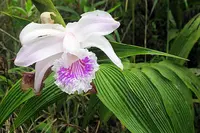
Rosy sobralia, Sobralia rosea, is a terrestrial orchid known for its tall, cane-like stems and large, short-lived flowers in soft pink shades. It often resembles a small, upright bamboo clump with lush, folded leaves.
This species is native to Central and South America, where it grows in warm, humid, upland habitats with good air movement. It can be moderately challenging, as it dislikes root disturbance and needs consistent moisture without staying waterlogged.
Gardeners who care for rosy sobralia should provide bright, filtered light, evenly moist but free-draining substrate, and protection from temperature extremes to keep it stable and flowering over time.

Care Difficulty
Moderate Care

Light Preference
Partial Shade

Water Requirements
Keep Soil Moist

Temperature Preference
Tropical / Frost Sensitive

Hardiness Zone
10–11

Soil Texture
Loamy, Peaty, Organic-rich

Soil pH
Acidic (5.5–6.5), Slightly acidic (6.5–7.0)

Soil Drainage
Moist but well-drained

Fertilization
Light (every 4–6 weeks)
Scan your plant to receive care tips personalized for your specific plant
Available on iOS and Android
This orchid prefers bright, gentle light that mimics forest edge conditions for reliable flowering.
This species needs steadily moist but well-drained conditions that never become waterlogged.
This orchid prefers mild, frost-free conditions with stable warmth for best growth.
This orchid favors consistently moist air and reacts quickly to dry indoor conditions.
Sobralia rosea prefers a loose, airy, organic medium that behaves more like an epiphytic orchid mix than dense potting soil.
This species adapts well to container growing when the pot is chosen to balance moisture retention and stability.
Nutrient support helps Sobralia rosea sustain tall leafy canes and repeat flowering in containers or poor soils.
Thoughtful pruning keeps Sobralia rosea upright, tidy, and focused on healthy new canes.
Container-grown plants benefit from careful repotting that preserves the sensitive orchid root system.
Division is the most practical method for home propagation of this species.
This orchid prefers mild, frost-free conditions and needs protection in climates with freezing winters.

Plant Health Check
Not sure what's wrong with your plant? Check your plant's health inside the app.
The flowers of Sobralia rosea are broad, showy, and often last only 1–2 days, a pattern typical for the genus but especially striking in this species because of its relatively large, pale rose blooms compared with the slender reed-like stems.
This species is most often documented along forest margins and light gaps in its native Central and South American range, where broken canopy and high air humidity provide the bright but filtered light it needs.
Its tall, cane-like stems are actually elongated, reed-like pseudostems formed by tightly sheathing leaf bases, which helps the plant support large leaves and flowers in windy, montane habitats.
Lack of flowers usually comes from insufficient light, overly warm nights, or old, exhausted canes. This species often blooms on mature canes, so avoid heavy pruning and let new growths fully ripen before expecting reliable flowering.
Keep your plants happy and healthy with plant identification, disease detection, and easy care guidance.

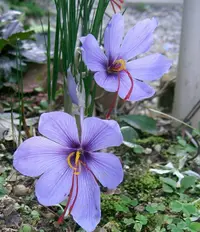
saffron crocus
Crocus sativus
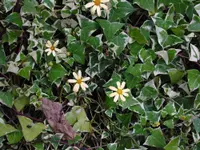
Variegated Wax Ivy
Senecio macroglossus
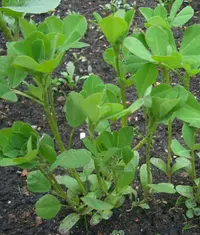
sicklefruit fenugreek
Trigonella foenum-graecum
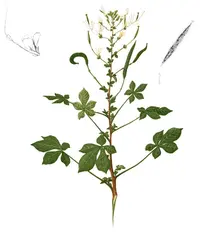
spiderwisp
Cleome gynandra
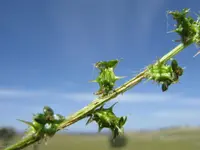
Sheep's Burr
Acaena echinata
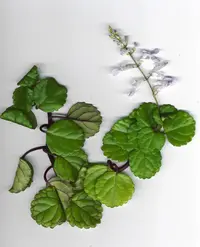
Swedish Ivy
Plectranthus verticillatus
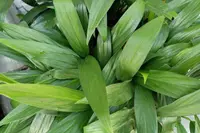 POPULAR
Cast Iron Plant
Aspidistra elatior
 POPULAR
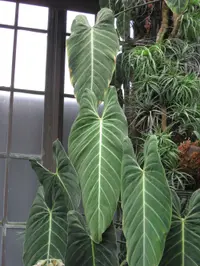
Philodendron melanochrysum
Philodendron melanochrysum