stiff tickseed Care (Coreopsis palmata)

Also known as: Prairie Coreopsis
stiff tickseed

About stiff tickseed

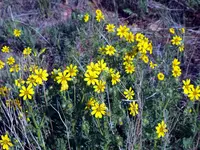
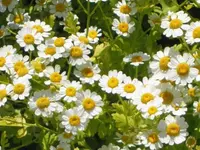
Stiff tickseed (Coreopsis palmata) is a hardy, clump-forming perennial in the aster family, valued for its bright yellow, daisy-like summer flowers. Plants typically grow in upright clumps with narrow, stiff leaves and a tidy, mounded shape that works well in borders and prairie-style plantings.

This species is native to central and eastern North American prairies and open, dry habitats, so it adapts well to sunny, low-maintenance gardens. Once established, it tolerates drought, lean soils, and seasonal temperature swings, which makes it relatively easy to care for stiff tickseed in typical home landscapes.

It prefers full sun, good drainage, and moderately dry to slightly moist soil, and often attracts bees and butterflies.

Main Plant Requirements

Care Difficulty

Easy Care

Light Preference

Full Sun

Water Requirements

Low Water

Temperature Preference

Cold Hardy

Hardiness Zone

3–8

Soil Texture

Sandy, Loamy, Rocky

Soil pH

Slightly acidic (6.5–7.0), Neutral (7.0)

Soil Drainage

Well-drained

Fertilization

Minimal (feed rarely)

Get Personalized Care Plan

Scan your plant to receive care tips personalized for your specific plant

Available on iOS and Android

How to Care for the stiff tickseed

Coreopsis palmata thrives in bright, open sites with long daily sun exposure for best flowering.

  • Provide 6–8 hours of direct sun daily; full sun all day produces the most compact, floriferous plants.
  • Accepts light afternoon shade, especially in hotter regions, but flowering may decline slightly in more than 3–4 hours of shade; stiff tickseed stays strongest in open exposures.
  • In summer, monitor for leaf scorch or wilting in reflected or intense heat; in spring and fall, ensure plants are not shaded out by taller perennials or shrubs.

Water needs for Coreopsis palmata are low once plants are established, provided the soil drains freely.

  • At planting, keep soil evenly moist until roots are established, letting the top 3–5 cm dry between waterings in average conditions.
  • After establishment, water only when the top 5–8 cm of soil are dry and foliage begins to soften slightly, especially during prolonged drought.
  • Use well-drained, sandy or loamy soil and avoid standing water; yellowing lower leaves, soft stems, or a sour soil smell indicate overwatering and poor drainage.

This prairie perennial tolerates a wide temperature range and is reliably hardy outdoors.

  • Active growth and best flowering occur around 65–80°F (18–27°C) during late spring and summer.
  • The roots tolerate winter lows near -20°F to -30°F (-29°C to -34°C) in the ground, provided soil drains well and does not stay waterlogged.
  • Plants handle summer heat up to about 90–95°F (32–35°C) if soil moisture is not extreme; prolonged heat plus wet soil increases stress and disease risk.

Humidity is usually not critical for Coreopsis palmata, which thrives in typical outdoor air conditions.

Coreopsis palmata prefers lean, well-drained soil that does not stay wet.

  • Use sandy or sandy-loam soil with modest organic matter rather than rich, heavy mixes.
  • Ensure sharp drainage by blending mineral sand or fine gravel into native soil, especially in wet climates.
  • Aim for slightly acidic to neutral pH, around 6.0–7.0, which supports nutrient uptake without excess foliage growth.
  • Avoid compacted clay, waterlogged spots, or thick peat-based mixes that hold persistent moisture and reduce root oxygen.

This species can be grown in containers if the pot is set up to drain quickly and stay stable for its spreading growth.

  • Choose a broad, relatively shallow container to accommodate rhizome spread and prevent the plant from becoming top-heavy at the rim.
  • Fill the pot with a gritty mix, such as 60–70% standard potting soil blended with coarse sand or small gravel to keep it fast-draining.
  • Position the container where wind exposure is moderate so the tall stems of stiff tickseed do not rock the root mass and loosen the potting mix.

Coreopsis palmata needs only modest feeding, especially in reasonably fertile garden soil.

  • Use a light application of compost or a balanced slow-release fertilizer (around 10-10-10) in early spring to support new growth when caring for stiff tickseed.
  • Apply granular or slow-release products at label rates; avoid high-nitrogen lawn fertilizers that encourage weak, floppy growth.
  • Skip additional feeding once flowering is strong; overly rich soil can reduce flowering and promote excess foliage.
  • Do not fertilize in late fall or winter, when the plant is dormant and nutrient demand is low.

Coreopsis palmata responds well to light, timely pruning that maintains shape and supports flowering.

  • In late spring to early summer, deadhead spent blooms with clean hand pruners to extend the flowering period.
  • Shear back the top one-third of stems after the main flush of flowers to encourage fresh, compact regrowth.
  • Remove dead, damaged, or crossing stems at the base in late fall or very early spring to maintain plant health.
  • Leave some seed heads if desired for wildlife value, then cut them back once seeds have dropped.

This species is usually grown in the ground, with attention focused on dividing and transplanting crowded clumps.

  • Check for tight, congested clumps, reduced flowering, or bare centers as signs that division or transplanting is due, typically every 3–4 years.
  • Plan major moves for early spring or early fall, when temperatures are mild and soil moisture is reliable.
  • Dig widely around the clump, lift it gently, and split into sections with several healthy shoots and roots each.
  • Replant divisions at the same depth, water thoroughly, and keep soil evenly moist for 1–2 weeks to limit root stress.

Coreopsis palmata is commonly propagated by division, with seed used when larger numbers of plants are needed.

  • Divide established clumps in early spring or early fall, keeping each division with several shoots and a solid root mass.
  • Replant divisions into well-drained soil, water thoroughly, and maintain moderate, even moisture until new growth is evident.
  • Collect ripe seed heads in late summer, then sow seed in trays or directly outdoors in fall for natural cold stratification.
  • Provide bright light, draining soil, and light, consistent moisture for both divisions and seedlings to establish well.

This species is cold hardy in much of the US and usually needs minimal winter care in the ground.

  • After frost blackens foliage, cut stems down to 5–10 cm above soil level to tidy the clump.
  • Apply a 5–7 cm layer of mulch around the crown in colder zones to moderate soil temperature and reduce heaving.
  • For container-grown plants in cold regions, move pots to an unheated garage or sheltered spot to prevent root freeze-thaw damage.

Care Tips

Shear After Bloom

Shear back spent flower stems by about one-third right after the main bloom flush to encourage a denser habit and stimulate lighter rebloom later in the season.

Prevent Flop With Support

In windy or very fertile sites, insert low hoop supports or discreet plant rings in spring before stems reach 20–25 cm to keep mature clumps upright without looking staked.

Divide For Vigor

Every 3–5 years, lift and divide crowded clumps in early spring or early fall, replanting only the youngest, firm rhizome sections to maintain strong flowering and prevent the plant from becoming woody and sparse at the center.

Edge To Contain Spread

Use a sharp spade once a year to cut a shallow trench around the planting area and remove outward-creeping rhizomes, which keeps the colony contained without stressing established plants.

Leave Some Winter Stems

Delay complete cutting back of stems until late winter and leave a few seed heads standing, which provides wildlife value and allows self-seeding while still keeping enough order for easier caring for stiff tickseed the following season.

Common Pests and Diseases

Aster yellows

This disease causes yellowing, stunting, distorted foliage, and deformed, greenish flowers that fail to develop normally. Symptoms include gradual decline of clumps over a season while neighboring plants may appear healthy.

Solution

Remove and destroy all symptomatic plants, including roots, as soon as the disorder is noticed, since the pathogen is systemic and does not cure. Reduce populations of leafhoppers, which spread the disease, by keeping surrounding vegetation trimmed and avoiding nearby weedy aster relatives that can act as reservoirs.

Leafhoppers

These insects feed on plant sap, causing pale speckling, leaf curling, and general loss of vigor, and they can transmit aster yellows. Symptoms include quick movement of small wedge-shaped insects that jump when disturbed.

Solution

Manage by encouraging natural predators, using a strong water spray to dislodge insects from foliage, and avoiding tall weedy growth around plantings where leafhoppers shelter. In larger infestations, apply an insecticidal soap or a labeled pyrethrin product in the evening, coating leaf undersides where these insects often rest.

Powdery mildew

This disease appears as white to gray powdery patches on upper leaf surfaces, often during warm days with cool, humid nights. Symptoms include distorted or yellowing foliage and reduced flowering when the disease is heavy.

Solution

Improve air circulation by thinning crowded stems and spacing clumps so leaves dry quickly, and water at the base rather than overhead. Remove and discard heavily infected leaves and, if needed, apply a sulfur or potassium bicarbonate fungicide labeled for ornamentals at the first sign of powdery growth.

Leaf spot

This disease produces small brown to purplish spots that may enlarge and merge, leading to premature leaf drop, especially in humid or wet conditions. Symptoms include most damage on lower, older leaves where moisture lingers longest.

Solution

Reduce leaf wetness by watering early in the day at soil level and avoiding overhead irrigation whenever possible. Remove and discard affected leaves, clean up fallen debris in fall, and, in recurring cases, use a copper- or chlorothalonil-based fungicide labeled for ornamental leaf spots at the start of wet periods.

Aphids

These insects cluster on young stems and buds, sucking sap and causing distorted growth, sticky honeydew, and sometimes sooty mold on leaves. This pest can also weaken flower stems and reduce bloom quality.

Solution

Wash colonies off with a strong stream of water, focusing on shoot tips and undersides of leaves, and encourage lady beetles and lacewings by minimizing broad-spectrum insecticides. For persistent infestations, use insecticidal soap or horticultural oil, repeating every 5–7 days until populations decline, following label directions carefully for Coreopsis palmata care.

Interesting Facts

Rhizome-based colonies

This species slowly spreads by short, woody rhizomes, forming tight colonies rather than aggressive mats, which helps it stabilize prairie soils without becoming invasive in intact native communities.

Prairie specialist roots

Its root system is adapted to well-drained, often dry prairie soils and can access deeper moisture, which supports flowering in midsummer when many shallow-rooted plants are already stressed.

Specialized pollinator support

The flat-topped clusters of yellow disk and ray florets provide accessible nectar and pollen for a wide range of native bees and small wasps, making it a consistent resource in remnant Midwestern prairies.

FAQs about stiff tickseed

This species spreads by short rhizomes and self-seeding, forming dense clumps over time. It is generally considered well-behaved, but in lean, sunny sites it can slowly colonize open ground and outcompete weaker, low-growing plants.

Grow Healthy Plants with Botan Care

Keep your plants happy and healthy with plant identification, disease detection, and easy care guidance.

Botan plant care app — identify plants on mobile

Explore More Plants