Rock placement
Seat plants in crevices between stones or gravel mulch so the crown stays cool and dry while the roots access consistent moisture in the lower layer, which greatly reduces rot in summer heat when growing rock jasmine.

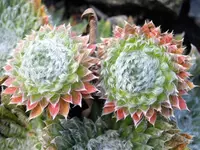
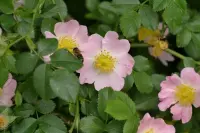
Rock jasmine, Androsace sarmentosa, is a compact alpine perennial often grown in rock gardens and troughs. It forms low, dense rosettes of small, hairy leaves. In bloom, it produces clusters of pink to rose flowers on short stems, creating a bright cushion effect above the foliage. This tight, mat-forming habit makes it well suited to crevices and shallow pockets. The species occurs naturally in Himalayan mountain regions, where it grows in gritty, well-drained soils and cool conditions. It can be challenging in hot, wet climates, so success depends on sharp drainage and protection from excessive heat. Gardeners who learn how to care for rock jasmine usually find it long-lived in the right niche.

Care Difficulty
Moderate Care

Light Preference
Partial Sun

Water Requirements
Moderate Water

Temperature Preference
Cold Hardy

Hardiness Zone
4–7

Soil Texture
Sandy, Loamy, Rocky

Soil pH
Acidic (5.5–6.5), Slightly acidic (6.5–7.0)

Soil Drainage
Well-drained

Fertilization
Minimal (feed rarely)
Scan your plant to receive care tips personalized for your specific plant
Available on iOS and Android
This alpine species prefers cool, bright conditions with protection from intense midday sun.
This plant needs evenly moist but never waterlogged soil, especially during active growth.
This high-elevation plant prefers cool conditions and tolerates significant winter cold when drainage is excellent.
This alpine prefers cool air with moderate humidity rather than very dry or overly damp conditions.
This species needs sharply drained, gritty soil that mimics an alpine scree or rocky slope.
This species is suitable for container growing, especially in alpine troughs or shallow, well-drained pots.
Androsace sarmentosa benefits from light, careful feeding in its active growing season.
Pruning needs for Androsace sarmentosa are minimal and mainly focused on tidiness and plant health.
This alpine perennial prefers stable conditions, so repotting or transplanting should be infrequent and gentle.
Androsace sarmentosa can be propagated by division, stolon offsets, or seed under cool, well-drained conditions.
This species is cold hardy but benefits from some winter management, especially in wet or container conditions.

Plant Health Check
Not sure what's wrong with your plant? Check your plant's health inside the app.
This species naturally forms tight leaf rosettes in rocky crevices of the central and eastern Himalayas, commonly between roughly 3,000–4,500 m where temperatures and UV exposure are extreme.
It spreads by slender stolons that root at the tips, gradually forming dense, cushion-like mats that help stabilize thin, gravelly alpine soils.
The leaves have fine, often glandular hairs that can trap moisture and reduce wind exposure on the leaf surface, an adaptation that improves survival in its harsh, exposed mountain habitats.

This species is a classic alpine rock-garden plant and has received the Royal Horticultural Society Award of Garden Merit, reflecting its long history of successful cultivation in cool-climate rock gardens outside its native Himalayan range.
Flowering is reduced by excessive shade, rich nitrogen-heavy fertilizer, or drought stress. Ensure cool conditions, good light, and free-draining, slightly gritty soil. Deadhead spent clusters and avoid cutting foliage hard in late summer to support next year’s buds.
Keep your plants happy and healthy with plant identification, disease detection, and easy care guidance.