Pinch For Bushiness
Regularly pinch out soft shoot tips when stems reach 10–15 cm to encourage dense branching, more flowers, and a sturdier plant that is less likely to flop.

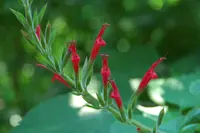
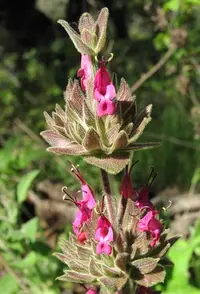
Pineapple sage, Salvia elegans, is a tender perennial herb grown mainly for its fragrant leaves and bright tubular flowers. The foliage releases a sweet pineapple scent when brushed or crushed.
This plant typically forms a loose, upright shrub with soft green leaves and vivid red blooms that attract hummingbirds and pollinators. It is native to the highlands of Mexico and Guatemala, where it grows in mild, frost-free climates.
Gardeners often grow it as a summer herb, ornamental, or seasonal shrub in beds and large containers. Understanding how to care for pineapple sage is straightforward once its preference for sun, regular moisture, and well-drained soil is known.

Care Difficulty
Easy Care

Light Preference
Full Sun

Water Requirements
Moderate Water

Temperature Preference
Tropical / Frost Sensitive

Hardiness Zone
8–11

Soil Texture
Sandy, Loamy, Organic-rich

Soil pH
Acidic (5.5–6.5), Slightly acidic (6.5–7.0)

Soil Drainage
Moist but well-drained

Fertilization
Light (every 4–6 weeks)
Scan your plant to receive care tips personalized for your specific plant
Available on iOS and Android
Salvia elegans needs plenty of sun for strong growth and flowering.
Watering should support steady growth while keeping roots aerated and free from standing water.
Stable, mild temperatures help this species grow vigorously and flower well.
This species handles typical indoor humidity but grows best with slightly moist air.
Salvia elegans prefers light, airy soil that drains freely yet retains moderate moisture.
This species is well suited to container growing for patios, balconies, and small gardens.
Salvia elegans benefits from light, consistent nutrition during active growth for best foliage and flowering.
Pruning supports bushy growth and strong flowering in Salvia elegans.
Container-grown pineapple sage benefits from periodic repotting or transplanting to maintain vigorous growth.
Salvia elegans is commonly propagated from softwood cuttings and by division.
Winter care depends on climate, as Salvia elegans is only moderately frost tolerant.

Plant Health Check
Not sure what's wrong with your plant? Check your plant's health inside the app.
The leaves release a noticeable pineapple-like aroma when crushed due to a mix of volatile oils, which is unusual among sages and gives the plant its common name, pineapple sage.
In many mild North American climates, its bright red tubular flowers appear late in the growing season and provide an important nectar source for migrating hummingbirds when other nectar plants are declining.
In its native highland habitats of Mexico and Guatemala, it behaves as a short-lived perennial shrub, often living only a few years before declining, unlike many longer-lived woody sages.

Pineapple sage has been used traditionally in parts of Mexico as a ceremonial and ritual plant, valued not only for its fragrance and edible leaves but also for its vivid red flowers that are associated with celebration and festivity in local cultures.
Lack of flowers often results from excessive nitrogen, too much shade, or pruning late in summer. It flowers on new growth and responds best to full sun, moderate feeding, and minimal late-season cutting. These are key Salvia elegans care points.
Keep your plants happy and healthy with plant identification, disease detection, and easy care guidance.