coontie Care (Zamia pumila)

coontie

About coontie

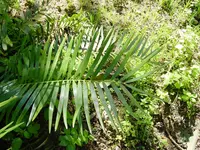
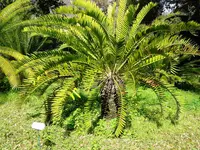
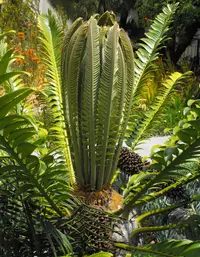
Coontie (Zamia pumila) is a small, slow-growing cycad that looks somewhat like a fern or palm but is unrelated to both. It forms a low clump of stiff, glossy, feather-like leaves emerging from a swollen underground stem.

This species is native to Florida and parts of the Caribbean, where it grows in dry pinelands and coastal habitats. Its tough, drought-tolerant nature and long lifespan make it suitable for low-maintenance landscapes.

Coontie prefers bright light, well-drained sandy soil, and modest watering, which influences how to care for coontie in home gardens. Its slow growth and resilience mean it adapts well to a range of outdoor conditions if provided good drainage.

Main Plant Requirements

Care Difficulty

Easy Care

Light Preference

Partial Sun

Water Requirements

Low Water

Temperature Preference

Warm Climate

Hardiness Zone

8–11

Soil Texture

Sandy, Loamy, Rocky

Soil pH

Acidic (5.5–6.5), Slightly acidic (6.5–7.0)

Soil Drainage

Well-drained

Fertilization

Minimal (feed rarely)

Get Personalized Care Plan

Scan your plant to receive care tips personalized for your specific plant

Available on iOS and Android

How to Care for the coontie

This cycad prefers bright outdoor conditions with protection from harsh midday sun.

  • Provide 4–6 hours of direct morning sun with dappled or filtered light in early afternoon for balanced growth when caring for coontie.
  • Tolerates partial shade, but in dense shade fronds become sparse and elongated and the plant may grow slowly.
  • In hot summers, shield from intense sun between 12–4 p.m. to prevent leaflet scorch, especially in reflective sites near walls or pavement.

This drought-tolerant cycad prefers thorough but infrequent watering in sharply drained soil.

  • Water only when the top 3–5 cm of soil are completely dry, then soak the root zone and allow excess to drain away.
  • Reduce watering in cool seasons when growth slows; in hot dry periods, increase frequency but still let the surface dry between soakings.
  • Use fast-draining, sandy soil; yellowing, soft leaflets and a mushy crown suggest overwatering, while crisp leaf tips and rapid wilting signal underwatering in Zamia pumila.

This subtropical cycad prefers warm, stable conditions and is sensitive to frost.

  • Ideal growth occurs at 70–85°F (21–29°C), with acceptable performance down to about 60°F (16°C) during cooler seasons.
  • Tolerates brief drops to 25–28°F (-4 to -2°C) with possible leaflet damage, but repeated hard frosts can kill the crown.
  • Handles high summer heat up to 95–100°F (35–38°C) if soil is not waterlogged and the root zone is mulched to moderate temperature swings.

This species handles a wide humidity range but grows best with moderate air moisture.

  • Aim for 40–60% humidity, which most homes already provide comfortably for coontie.
  • Leaves curling, browning at tips, or persistent yellowing may indicate combined dryness and low humidity stress.
  • Increase humidity slightly by grouping plants or placing the pot near, not on, a shallow pebble tray with water.

This cycad prefers sharply draining, sandy soil that dries slightly between waterings.

  • Use a mix of 50–70% coarse sand or grit with the rest cactus mix or loam to mimic Zamia pumila’s native, fast-draining habitat.
  • Keep pH slightly acidic to neutral (pH 6.0–7.0) for steady nutrient availability and healthy root growth.
  • Add perlite or fine pine bark to improve aeration, especially in heavier commercial mixes that tend to compact over time.
  • Avoid dense, peat-heavy or clayey substrates that stay wet for long periods, as these promote root and caudex rot.

This species adapts well to container culture when drainage and stability are managed carefully.

  • Choose a pot that is wider than deep to accommodate its shallow, spreading root system and underground caudex without crowding.
  • Select a heavy or low-profile container in windy or exposed spots to reduce tipping from the stiff, arching fronds.
  • Ensure drainage holes are fully open and raise the pot slightly on feet or blocks so excess water clears quickly from the base.

This slow-growing cycad needs modest feeding, but responds well to light, consistent nutrition during its active season.

  • Use a balanced slow-release fertilizer (around 10-10-10) or well-aged compost applied to the soil surface in spring.
  • Feed coontie lightly every 8–10 weeks during warm growth, using 1/2-strength of the label rate for container plants.
  • Avoid fertilizer touching the crown to reduce rot risk, and water thoroughly after application to distribute nutrients.
  • Stop feeding in late fall and through winter dormancy to prevent soft, cold-sensitive growth.

Pruning Zamia pumila is minimal and mainly focuses on hygiene rather than shaping.

  • Carry out pruning in late winter or early spring before strong new growth begins.
  • Remove only dead, yellowing, pest-damaged, or broken fronds at the base using clean, sharp hand pruners.
  • Avoid cutting healthy green fronds, as this slows photosynthesis and overall vigor.
  • Discard removed material, especially if diseased, rather than composting to limit pathogen spread.

This cycad grows slowly and dislikes frequent disturbance, so transplant or repot only when clearly necessary.

  • Look for roots circling the pot, cracking containers, or very slow growth despite good care as signs to move it.
  • Plan repotting or outdoor transplanting in late spring to early summer, once soil and air are consistently warm.
  • Expect to repot container plants roughly every 4–6 years, stepping up only 1 pot size with a very free-draining mix.
  • Handle the thick root and caudex carefully, keep the root ball intact, water gently afterward, and shade for 1–2 weeks to reduce stress.

Zamia pumila is most often propagated by seed; division of offsets is possible but slower and sensitive to damage.

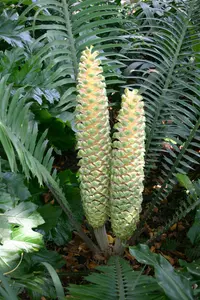
  • Collect ripe seeds from female cones in late summer to fall, clean pulp, and sow fresh for best germination.
  • Provide warm conditions around 75–85°F, evenly moist but not waterlogged substrate, and bright indirect light.
  • Germination may take months; maintain stable warmth and label trays clearly to avoid disturbance.
  • If offsets form at the base, detach only when well developed, retain as many roots as possible, and pot in a coarse, well-draining mix.

This subtropical cycad tolerates brief light frosts but benefits from simple winter precautions in cooler regions.

  • In ground, add a 5–8 cm mulch layer over the root zone in late fall, keeping it away from the crown.
  • In areas below about 20°F, cover plants during freezes or grow in containers for easier management.
  • Move container plants indoors or to a frost-free, bright, cool room when prolonged cold is forecasted.

Care Tips

Protect crown zone

Keep mulch, gravel, or decorative stone pulled back 5–8 cm from the base so the crown remains dry and well aerated, which reduces rot and encourages new leaflet production.

Rotate container plants

If grown in a pot, rotate the container 90° every 3–4 weeks so all sides receive similar light, which keeps the plant symmetrical and prevents one-sided leaning.

Use stable spacing

When planting several specimens, space them 45–60 cm apart and avoid moving them once established, as coontie resents root disturbance and performs best when left undisturbed for many years.

Monitor cone formation

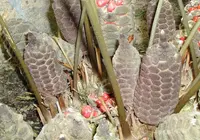
Inspect cones regularly for signs of mold or insect damage and remove any rotting tissue promptly, disposing of it in the trash rather than compost to limit disease carryover.

Plan for toxicity

Because all parts are toxic if ingested, position plants away from areas used by small children and pets and always wear gloves when dividing or handling large offsets as part of caring for coontie.

Common Pests and Diseases

Scale insects

This pest feeds on leaflets and stems, sucking sap and causing yellowing, leaf drop, and general decline, especially on older coontie clumps. Symptoms include sticky honeydew and small, dome-shaped bumps tightly attached to the plant surface.

Solution

Prune and discard heavily infested fronds, then wipe or gently scrub remaining scale with a soft brush and soapy water, taking care not to damage the stiff leaflets. For persistent cases, use a horticultural oil spray labelled for cycads, applied thoroughly to both upper and lower leaf surfaces in mild, dry weather, and repeat according to label directions.

Cycad aulacaspis scale

This pest is a highly destructive armored scale that can cover the leaves, petioles, and even underground stems with a white crust, leading to rapid yellowing and plant death if untreated. These insects are difficult to control once populations build up and can persist in surrounding soil and debris.

Solution

Remove and discard the most heavily infested foliage and surface mulch, then apply a series of horticultural oil or systemic insecticide treatments specifically recommended for cycads, making sure to drench leaf undersides and crown tissue. Monitor closely for reinfestation for several months and avoid moving infested plant material to new sites when growing coontie in the landscape.

Mites

These insects are actually tiny arachnids that feed on coontie leaflets, causing fine stippling, bronzing, or a dull gray appearance, often during hot, dry conditions. Symptoms include very fine webbing between leaflets in severe infestations.

Solution

Rinse foliage thoroughly with a firm stream of water every few days to dislodge mites and raise humidity around the plant, which slows mite reproduction. If damage continues, use an insecticidal soap or a miticide labelled for ornamental plants, applied in the early morning or evening to both sides of the foliage.

Sooty mold

This disease is a superficial black fungal growth that develops on honeydew excreted by sap-feeding insects like scale on coontie foliage. Symptoms include black, charcoal-like coating on leaf surfaces that reduces photosynthesis and makes the plant look dirty or scorched.

Solution

Control the underlying honeydew-producing insects first through pruning, washing, and targeted treatments, then gently wash affected leaves with water and a small amount of mild soap to remove the fungus. Improving air circulation and keeping foliage dry between waterings helps the plant outgrow remaining discoloration.

Leaf spot

This disease causes small to medium brown or tan spots on leaflets, sometimes with yellow halos, which can merge and lead to premature leaflet drop, especially in warm, humid weather or crowded plantings. Symptoms include spotting that is more pronounced on lower, older leaves where moisture lingers longer.

Solution

Remove and discard affected fronds to reduce spore levels, and avoid overhead watering so foliage dries quickly. In situations with repeated outbreaks, improve spacing and airflow around the plant and consider a preventive fungicide labelled for ornamental leaf spot, applied at the first sign of new lesions.

Interesting Facts

Relict of ancient flora

Zamia pumila is one of the few cycad species native to the continental United States and represents a lineage that has changed little since the Mesozoic era, often called the age of cycads and dinosaurs.

Specialist butterfly host

The plant is the primary larval host for the Atala hairstreak butterfly (Eumaeus atala), whose caterpillars feed on its leaves and sequester the plant’s toxic compounds for their own defense.

Toxic yet traditionally used

All parts of Zamia pumila contain cycasins, toxic compounds that can damage the liver and nervous system, yet Indigenous peoples of the Caribbean and Florida historically processed its starchy stem tissue very carefully to make it safe as a famine or emergency food.

Botan icon

Did you know?

In the wild, individual Zamia pumila plants can persist for many decades and often survive repeated top damage from herbivores, fire, or cutting by resprouting from their underground stem, which acts as a long-lived storage organ.

FAQs about coontie

Yellowing fronds usually result from natural aging, waterlogging, or nutrient imbalance. Remove oldest yellow fronds at the base, improve drainage, and avoid frequent light fertilizing. Persistent yellowing with soft stems can indicate root rot or severe overwatering.

Grow Healthy Plants with Botan Care

Keep your plants happy and healthy with plant identification, disease detection, and easy care guidance.

Botan plant care app — identify plants on mobile

Explore More Plants