Wind-hardening young plants
Expose container-grown plants to gradually increasing air movement outdoors over 1–2 weeks before planting out so the stems and petioles strengthen and are less likely to snap in the first strong wind.

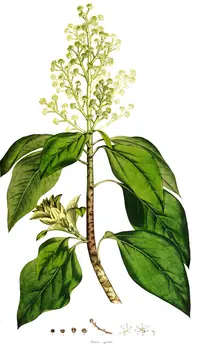
Oreopanax capitatus is an evergreen shrub or small tree from tropical Central and South America. It belongs to the Araliaceae family, the same group as many ornamental aralias.
Plants develop a branching, upright habit with leathery, often lobed leaves that give a lush, architectural look. In suitable climates they can become substantial landscape specimens.
In nature, O. capitatus usually grows in moist, mild, highland forests. It prefers consistent moisture, good drainage, and protection from intense, direct sun.
For gardeners, the main challenges are providing stable warmth, humidity, and space for its mature size. Once those needs are met, it is a relatively straightforward plant for those who want to learn how to care for Oreopanax capitatus.

Care Difficulty
Moderate Care

Light Preference
Partial Shade

Water Requirements
Moderate Water

Temperature Preference
Warm Climate

Hardiness Zone
9–11

Soil Texture
Loamy, Sandy, Organic-rich

Soil pH
Acidic (5.5–6.5), Slightly acidic (6.5–7.0)

Soil Drainage
Moist but well-drained

Fertilization
Minimal (feed rarely)
Scan your plant to receive care tips personalized for your specific plant
Available on iOS and Android
This shrub prefers bright, gentle light with some protection from intense midday sun.
This species prefers evenly moist but not saturated soil with good drainage.
This plant grows best in mild, frost-free conditions with moderate heat.
This species benefits from moderately humid air but adapts to typical indoor levels.
Oreopanax capitatus prefers a loose, aerated, and fast-draining mix that still retains moderate moisture.
This species is well suited to container growing when given a stable, well-drained setup.
This species grows acceptably in average soil but responds well to moderate feeding in containers or nutrient-poor sites.
Pruning is mainly used to maintain structure and remove weak growth rather than as a frequent shaping task for this shrub or small tree.
Transplanting is more common than repotting, as this species is typically grown as a landscape shrub or small tree.
Propagation of Oreopanax capitatus is possible but slower and more specialized than for many common houseplants.
In mild climates this species is fairly tolerant, but colder regions require some winter attention, especially for young or container plants.

Plant Health Check
Not sure what's wrong with your plant? Check your plant's health inside the app.
Oreopanax capitatus is naturally found in montane cloud forests of Central America, especially in moist, high-elevation habitats where frequent fog supplies much of its water input.
The species often shows leaf dimorphism, with younger or lower leaves being more lobed and ornamental, while older or upper leaves tend to be larger and less deeply divided, reflecting changes in light and wind exposure as the plant gains height.
Its small, dark fruits are produced in clusters and are an important food source for frugivorous birds in its native range, contributing to forest regeneration as birds disperse the seeds over wide areas.

In some Central American highland forests, Oreopanax capitatus can form a conspicuous part of the upper canopy, where its broad, umbrella-like foliage helps create a humid, shaded understory microclimate that supports ferns, epiphytes, and moisture-dependent invertebrates.
This species can work indoors in bright, spacious rooms because it forms a small tree or large shrub over time. Interiors need high ceilings, sturdy containers, and room for branching structure. Oreopanax capitatus indoor care demands stable warmth and good airflow.
Keep your plants happy and healthy with plant identification, disease detection, and easy care guidance.