Early structural training
In the first 3–5 years, select a single strong leader and 3–5 evenly spaced scaffold branches, removing competing uprights gradually to build a stable tree framework that resists storm damage.

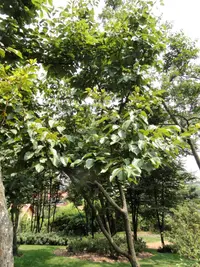
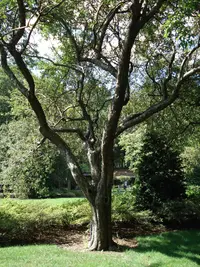
Hovenia acerba is a deciduous tree known for its rounded crown, glossy green leaves, and distinctive fruit stalks that can become thick and fleshy. It is native to parts of East Asia, where it grows in mixed forests, woodland edges, and hillsides.
In cultivation it tends to form a medium to large tree with a relatively tidy branching structure. Growth is usually moderate and steady when planted in suitable conditions.
This species tolerates a range of soils and light levels but does best in well-drained soil with good sun exposure. For gardeners planning to care for Hovenia acerba, its adaptability and general toughness are key advantages.

Care Difficulty
Moderate Care

Light Preference
Full Sun

Water Requirements
Moderate Water

Temperature Preference
Cold Hardy

Hardiness Zone
5–9

Soil Texture
Loamy, Sandy, Clay

Soil pH
Slightly acidic (6.5–7.0), Neutral (7.0)

Soil Drainage
Well-drained

Fertilization
Minimal (feed rarely)
Scan your plant to receive care tips personalized for your specific plant
Available on iOS and Android
This sun-loving tree prefers strong light but benefits from some protection during the hottest hours.
This species prefers evenly moist, well-drained soil rather than constant wetness or prolonged dryness.
This temperate tree handles a range of outdoor conditions but responds best to moderate temperatures.
This species handles a wide humidity range and rarely needs special humidity management.
Hovenia acerba prefers deep, well-drained, moderately fertile mineral soil.
This tree can be grown in containers for some years, but it remains a medium to large species best suited to spacious outdoor pots.
This tree grows acceptably in average soil, but targeted feeding supports stronger growth in cultivated settings.
Thoughtful pruning helps maintain structure, safety, and health in this medium to large tree.
This species is usually grown in the ground, with transplanting more relevant than long-term container culture.
Propagation is typically done from seed, with some use of semi-hardwood cuttings where controlled conditions are available.
Mature trees are generally hardy in temperate climates and need minimal winter intervention once established.

Plant Health Check
Not sure what's wrong with your plant? Check your plant's health inside the app.
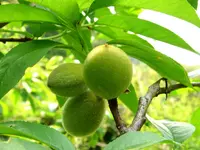
This species is known for its thickened, sweet, fleshy fruit stalks (peduncles) that become edible when mature and are sometimes eaten fresh or candied, while the actual fruits are small and dry.
Hovenia acerba is a deciduous tree native to temperate regions of East Asia, especially China, where it grows in mixed forests and on mountain slopes rather than in tropical habitats.
The small, creamy white flowers are rich in nectar and are visited by bees and other insects, making the tree a useful nectar source in its flowering season.

In parts of China this species has been widely planted in shelterbelts and reforestation projects because it tolerates a range of soils, helps stabilize slopes, and provides both shade and edible peduncles, combining ecological and local economic value.
This species is a medium to large tree that prefers full sun and ample root space, so it is generally unsuitable as a long-term indoor decorative plant. Young seedlings may be kept indoors only temporarily.
Keep your plants happy and healthy with plant identification, disease detection, and easy care guidance.